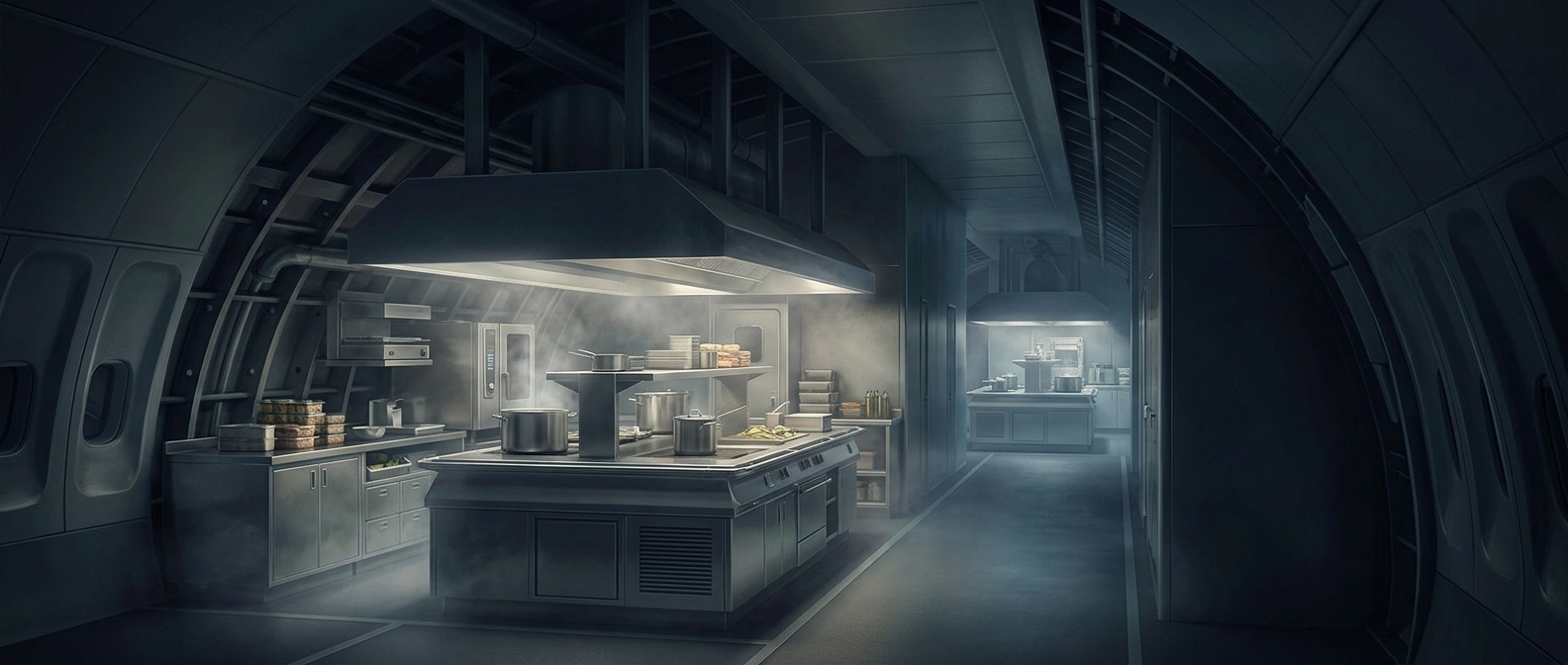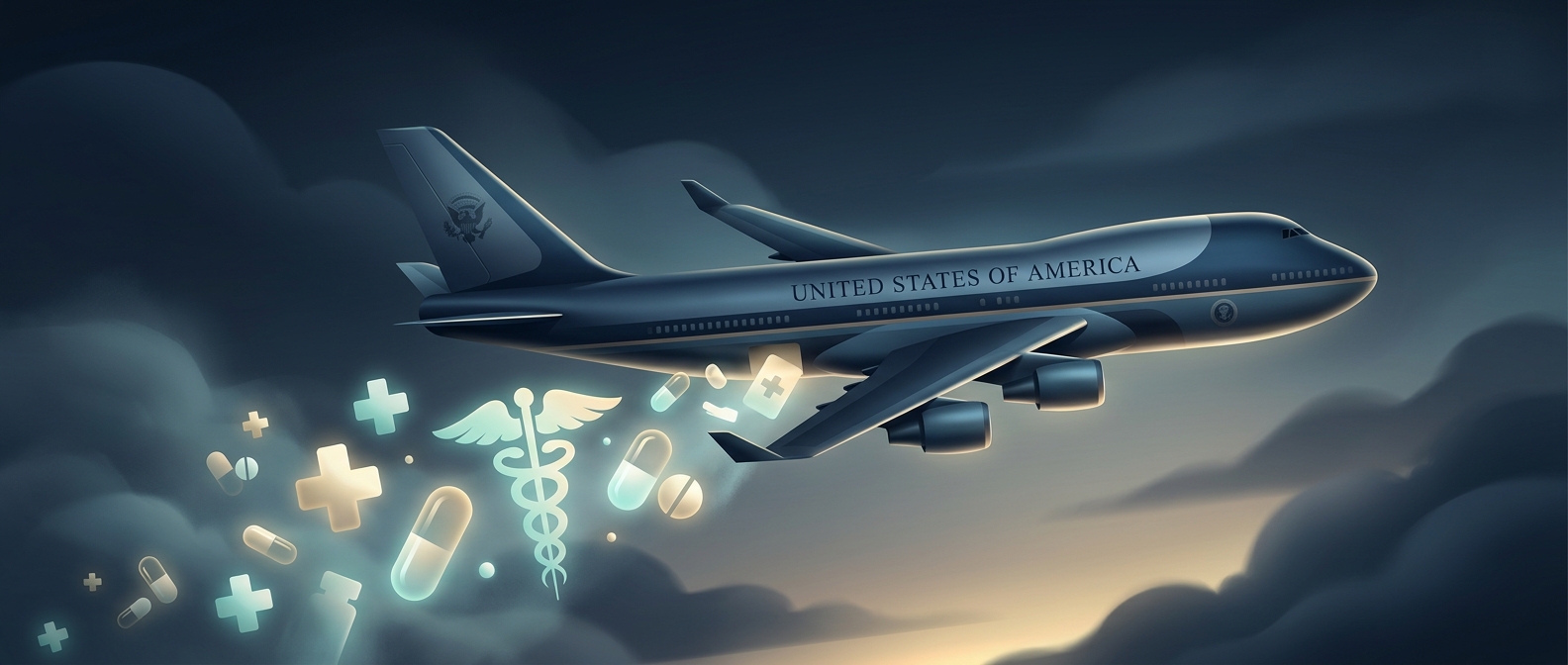
A clinic built into a moving aircraft
An operating table aboard the presidential plane is not just a piece of specialized furniture. It gives medical staff a stable, usable surface for examining and treating someone when there is no hospital nearby. In a narrow cabin, that matters: a patient may need to be laid flat, monitored, and reached from more than one side while the aircraft is still in flight.
The plane’s doctor and medical space can support urgent care, but they do not make an aircraft equivalent to a fully equipped hospital. The immediate task in an emergency is to assess the patient, provide treatment the available equipment allows, and decide whether the flight should continue or divert to an airport where advanced care is accessible.
Why the room changes the response
A medical emergency in the air brings an unusual constraint: the nearest suitable hospital may be hundreds of miles away, and landing takes time. Having a doctor and a dedicated treatment surface on board lets the crew begin care during that interval rather than waiting until touchdown. The setup is part of the aircraft’s broader role as a working environment that must keep functioning even when an ordinary trip becomes a crisis.
The operating table’s significance is practical, not dramatic: it gives medical staff somewhere to work while the plane is still moving.**