Fuel is part of an airliner’s balance system
Fuel does more than power the engines: while it is aboard, its weight affects how the airplane handles. The center of gravity is the point where the aircraft’s weight effectively balances. If it moves too far forward or aft, the plane can become harder to control; if fuel is unevenly distributed between the wings, one side can become heavier than the other.
As fuel is burned, both its total weight and its location change. The aircraft’s fuel system is designed to manage those changes, rather than simply emptying whichever tank is easiest to reach.
Tanks and valves shape the burn
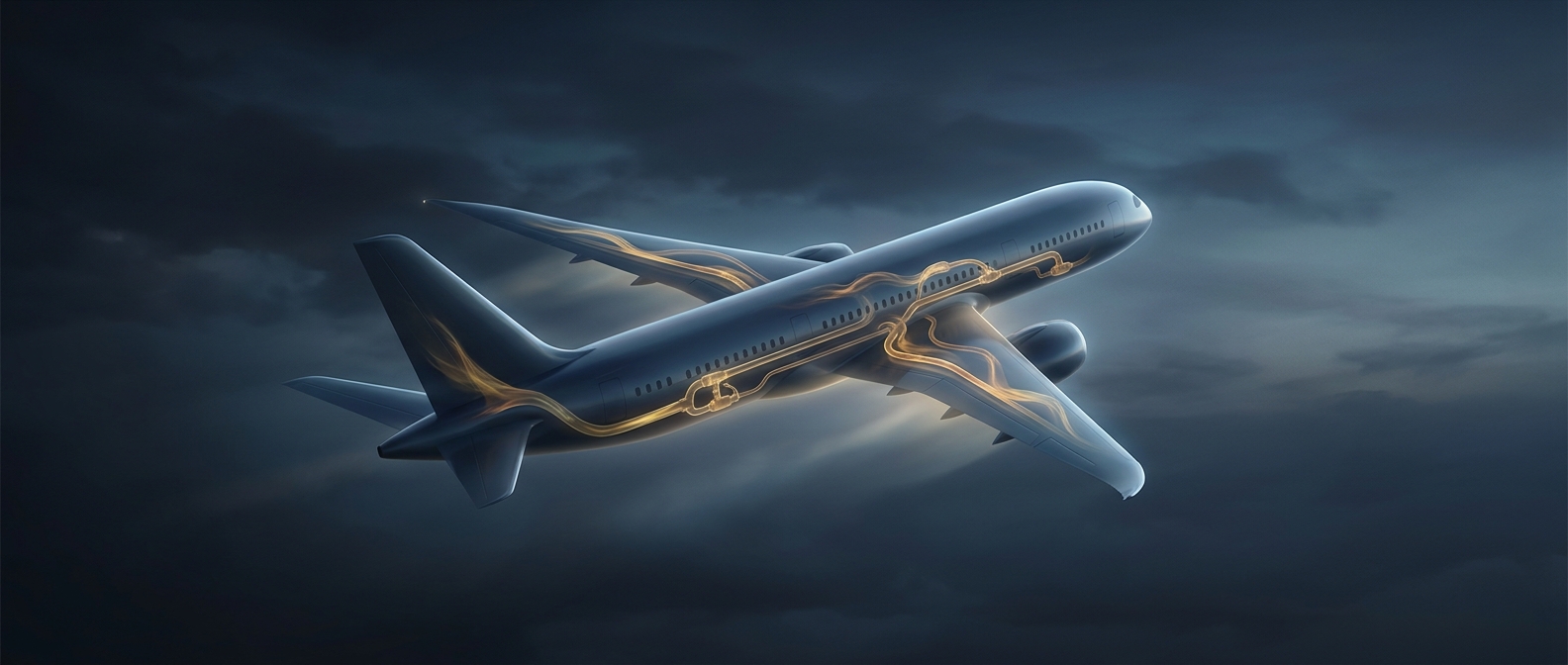
Airliners commonly carry fuel in wing tanks and, on many models, a tank in the center section of the aircraft. Pumps and valves direct fuel from those tanks to the engines. In some designs, fuel is normally drawn from the center tank before the wing tanks; other details depend on the aircraft. Procedures are tailored to the tank layout and the plane’s approved operating limits.
The system also helps keep the left and right sides balanced. Crews can monitor fuel quantities and, when needed, use controls such as crossfeed valves to let one side’s supply feed an engine on the other side. That can help address an imbalance, but it is not a substitute for following the aircraft’s specific procedures.
Why the wing tanks matter
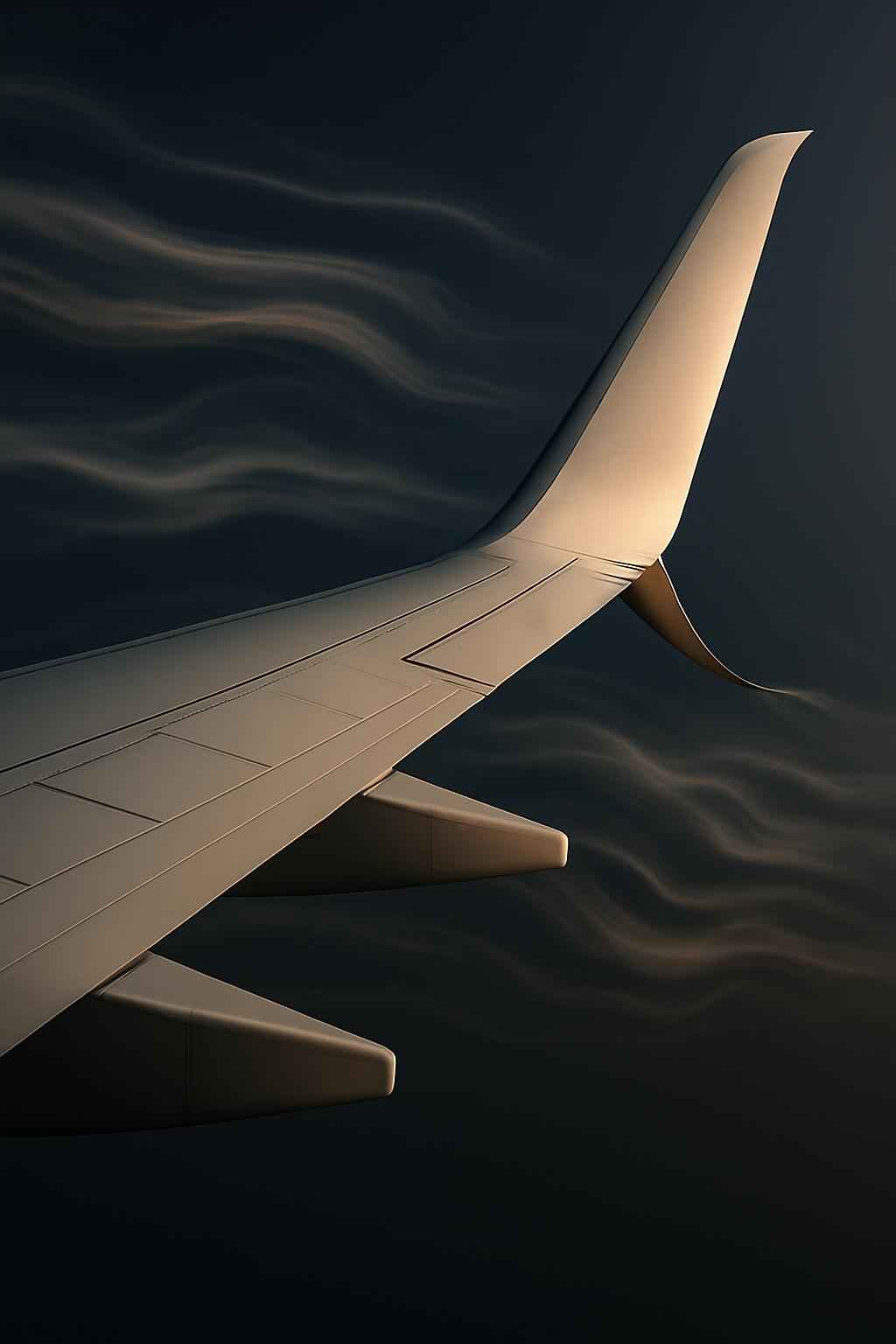
Fuel in the wings can also help with structural loads. A wing generates lift, which tends to bend it upward; the weight of fuel carried in the wing acts in the opposite direction. As fuel is used, the aircraft’s designers account for how the changing weight and distribution affect both balance and the wing structure.
The practical result is a managed sequence of fuel use, monitored throughout the flight. The airplane does not stay perfectly unchanged as it gets lighter; instead, its systems and procedures keep those changes within limits that preserve controllability and safe operation.