Why a descent needs less thrust
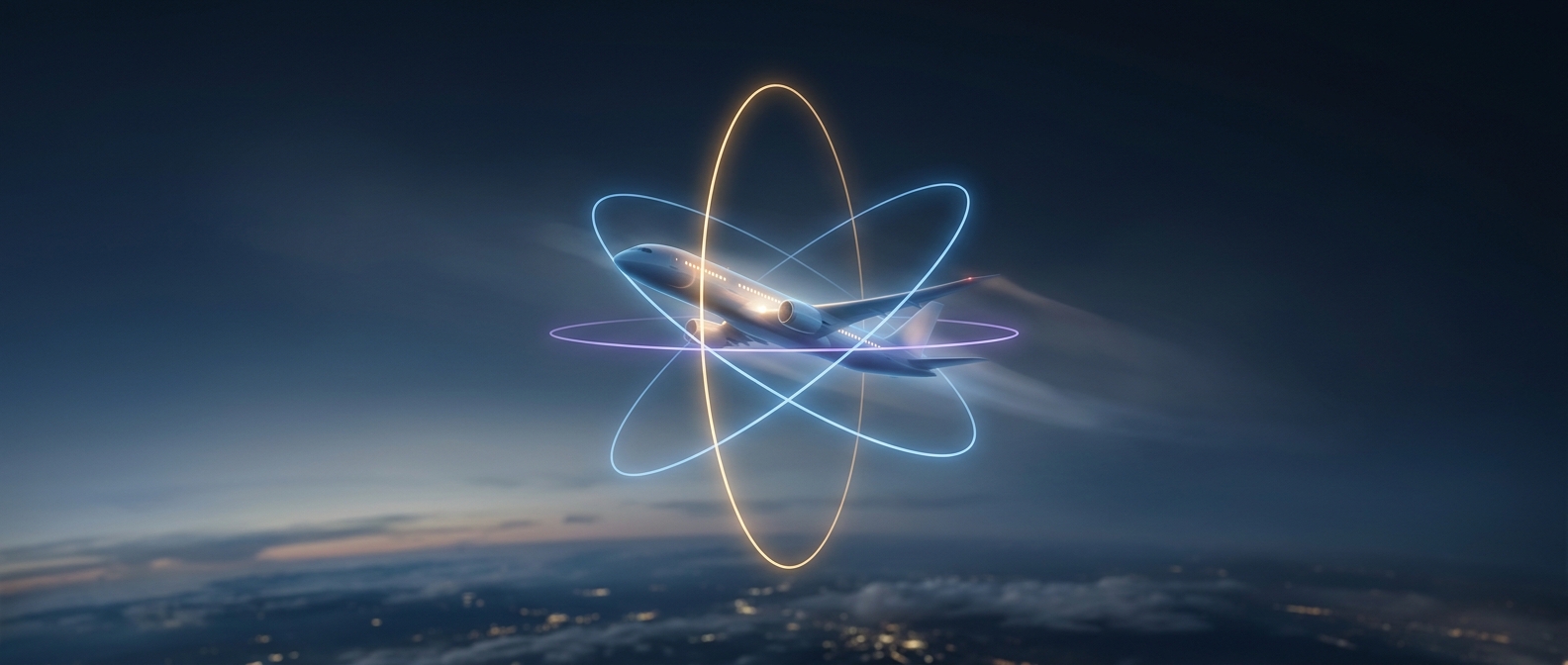
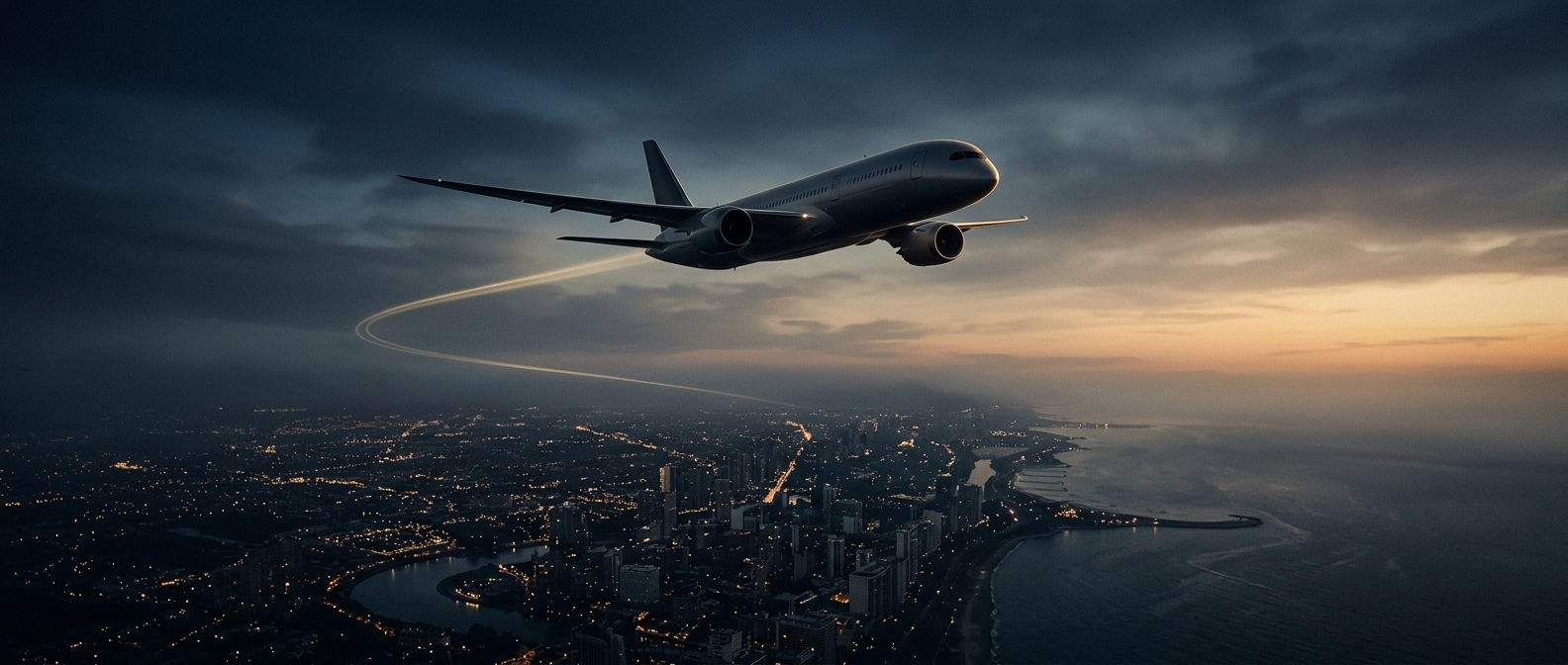
An airplane stays aloft because its wings turn forward motion into lift. During descent, the aircraft points slightly downward, and gravity helps it gain or maintain that forward motion. That lets pilots reduce engine thrust while controlling the plane’s speed and rate of descent.
It is not a free fall: pilots adjust the flight path and engine power together. The engines still provide thrust as needed, and the wings must keep producing enough lift to support the aircraft.
The sound changes, but does not vanish
Jet engines are loudest when pushing hard, so reducing thrust usually makes their roar less noticeable from the ground. But the aircraft still makes sound. Air rushing around the wings and fuselage can be audible, and the landing gear and flaps—panels on the wings that help the plane fly more slowly—can add their own noise as they are deployed.
That is why a plane may seem quieter for part of its approach, then grow louder again as it passes nearby. The shift reflects changing distance and flight configuration as well as engine power. The quiet stretch is a sign of a controlled approach, not evidence that the engines have switched off.