Why a Blimp Needs So Much Volume
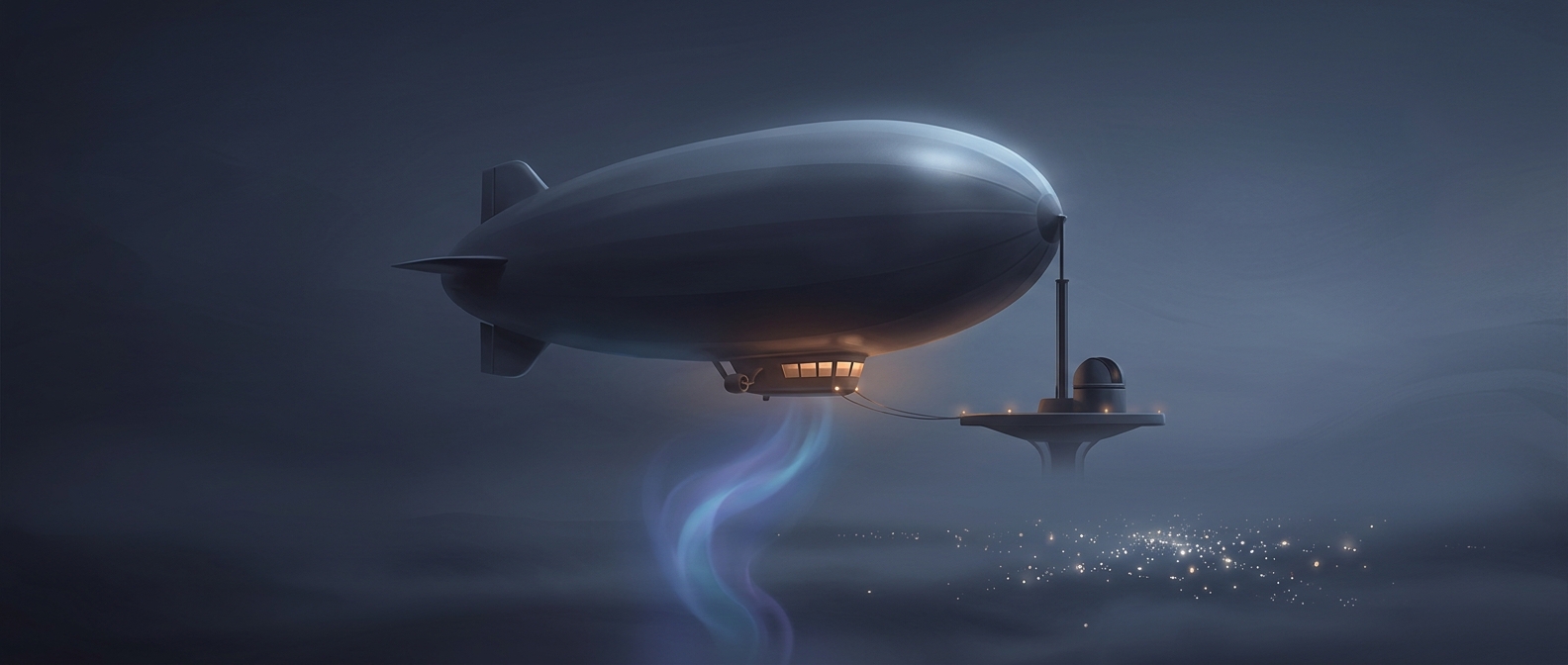
A blimp does not push itself upward like an airplane. Its envelope—the large outer fabric skin—holds a gas that is lighter than the air it displaces. The surrounding air then exerts an upward buoyant force. The blimp rises only when that force exceeds the combined weight of the gas, envelope, engines, fuel, and payload.
Helium’s lower lifting power compared with hydrogen means designers must account for the difference in the blimp’s size or carrying capacity. Every added camera, passenger, or piece of equipment uses some of the limited lift available. The envelope has to be large enough to displace a great deal of air without becoming too heavy itself.
Safety Shapes the Tradeoff
Hydrogen can provide more lift for a given volume, but it can ignite when mixed with air. Helium does not burn, so using it removes a major fire hazard from an aircraft that carries a large volume of lifting gas. That choice makes practical sense for blimps that spend long periods near people, buildings, and events, even though it leaves less lift for the aircraft’s work.
A blimp’s usefulness therefore depends on balancing gas volume against everything it must carry. Its slow, steady presence overhead is made possible not by a powerful engine, but by carefully reserving enough buoyancy to keep the envelope—and its equipment—aloft.