stackyFACTS
Transport

Why airships dump water to climb

HERE’S THE INTERESTING PART

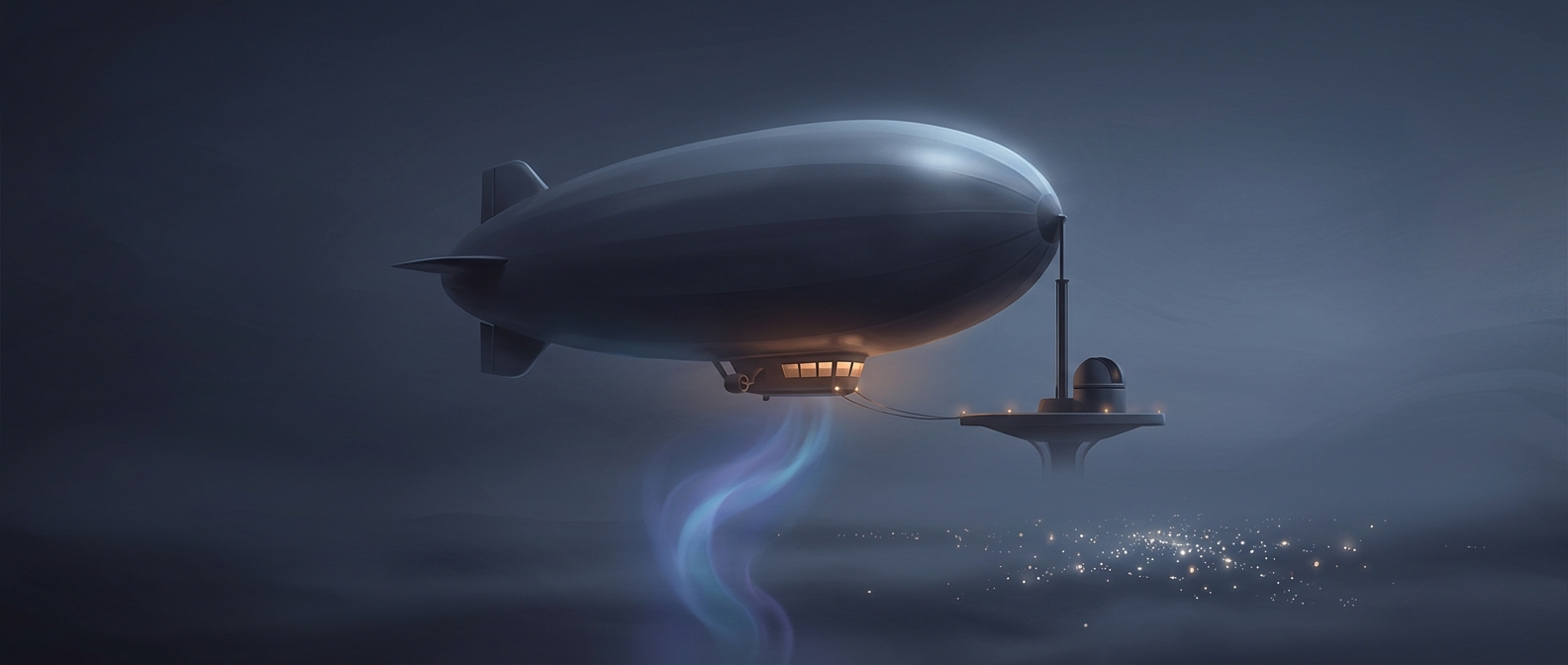
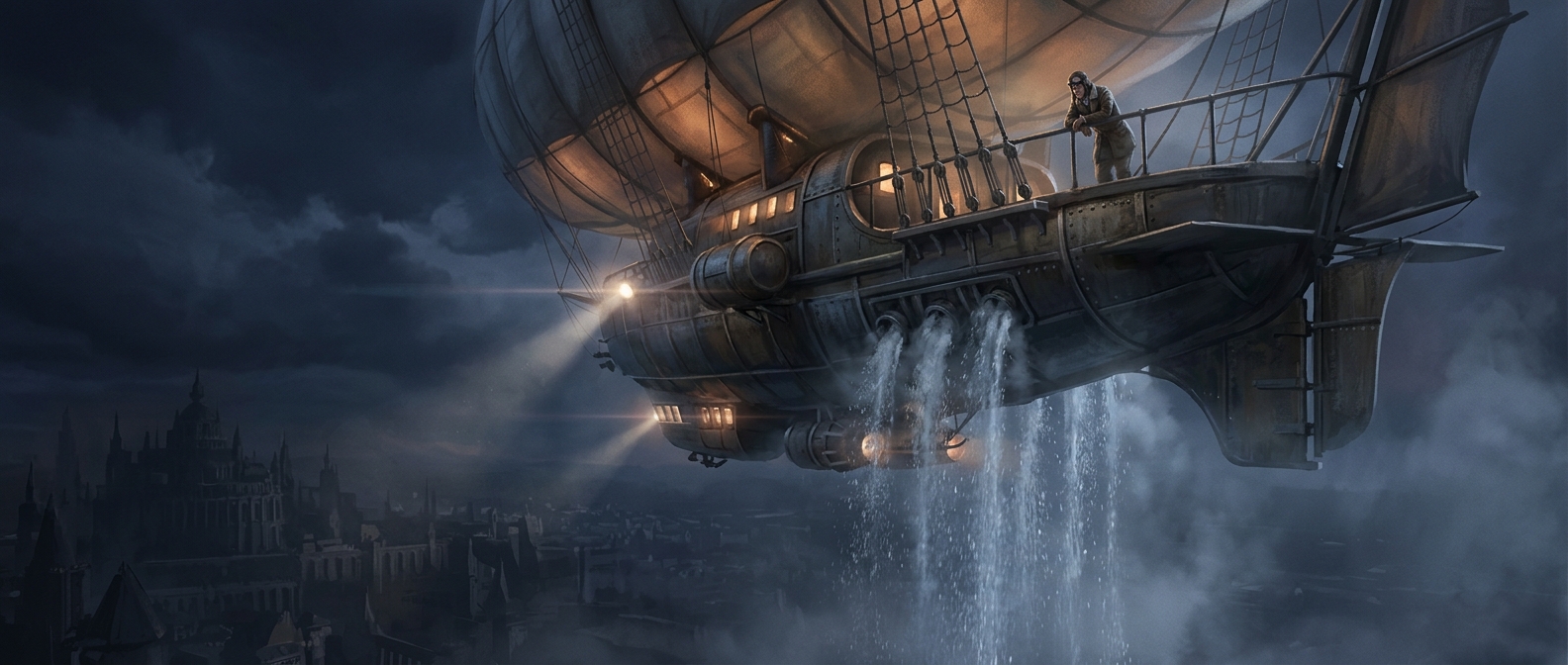
To gain altitude quickly, blimps and zeppelins rely on the oldest trick in buoyancy. They simply open a valve and dump hundreds of gallons of literal water ballast onto whatever happens to be underneath, instantly shedding weight to ascend.
Why airships dump water to climb
STACKY / Transport
One discovery leads to another.

Keep exploring facts in this topic.

Transport →

STACKY FOR IPHONE

A bigger world.
One discovery
at a time.

Keep discovering with Stacky. Interesting facts in an app that is always within reach.

Download on the App Store
ONE MORE DISCOVERY?

Keep exploring

All in this topic →
Why ordinary helicopters can't rescue climbers on Everest
Transport

Why ordinary helicopters can't rescue climbers on Everest

At 29,000 feet, the air is so catastrophically thin that helicopter rotor blades literally have nothing to grab onto to generate lift. While a few insane,…

Discover more
How Concorde passengers watched the sun rise in the west
Transport

How Concorde passengers watched the sun rise in the west

By casually ignoring the sound barrier, the Concorde essentially allowed wealthy passengers to outrun the rotation of the Earth itself. On early evening…

Discover more
Airplanes rotate around three invisible intersecting lines
Transport

Airplanes rotate around three invisible intersecting lines

Every single movement in the sky is strictly defined by an invisible 3D crosshair inside the fuselage. Whether pitching the nose, rolling the wings, or yawing…

Discover more
Modern blimps mostly use nonflammable helium for buoyancy
Transport

Modern blimps mostly use nonflammable helium for buoyancy

After realizing that filling giant floating fabric bags with explosive hydrogen was a distinctly terrible idea, the industry wisely pivoted. Modern airships…

Discover more
Hot air balloons inflate using a powerful ground fan
Transport

Hot air balloons inflate using a powerful ground fan

You cannot simply blow enough hot breath into a giant canvas bag to make it fly. Ground crews use monstrous industrial fans to blast raw cold air into the…

Discover more
Tony Jannus piloted the world's very first scheduled commercial airline flight in 1914, transporting a single paying passenger across Tampa Bay in a trip that lasted a mere twenty-three minutes.
Transport

Tony Jannus piloted the world's very first scheduled commercial airline flight in 1914, transporting a single paying passenger across Tampa Bay in a trip that lasted a mere twenty-three minutes.

Tony Jannus piloted the world's very first scheduled commercial airline flight in 1914, transporting a single paying passenger across Tampa Bay in a trip that…

Discover more
StackyMore discoveries in the app
Download on the App Store