How a fast wind could put the aircraft in the wrong place
A pilot navigating before modern satellite positioning had to estimate where the aircraft was from its heading, speed, and time in the air. That method—called dead reckoning—works only as well as those estimates. A strong wind can change how quickly an aircraft moves over the ground, even when its speed through the surrounding air seems steady.
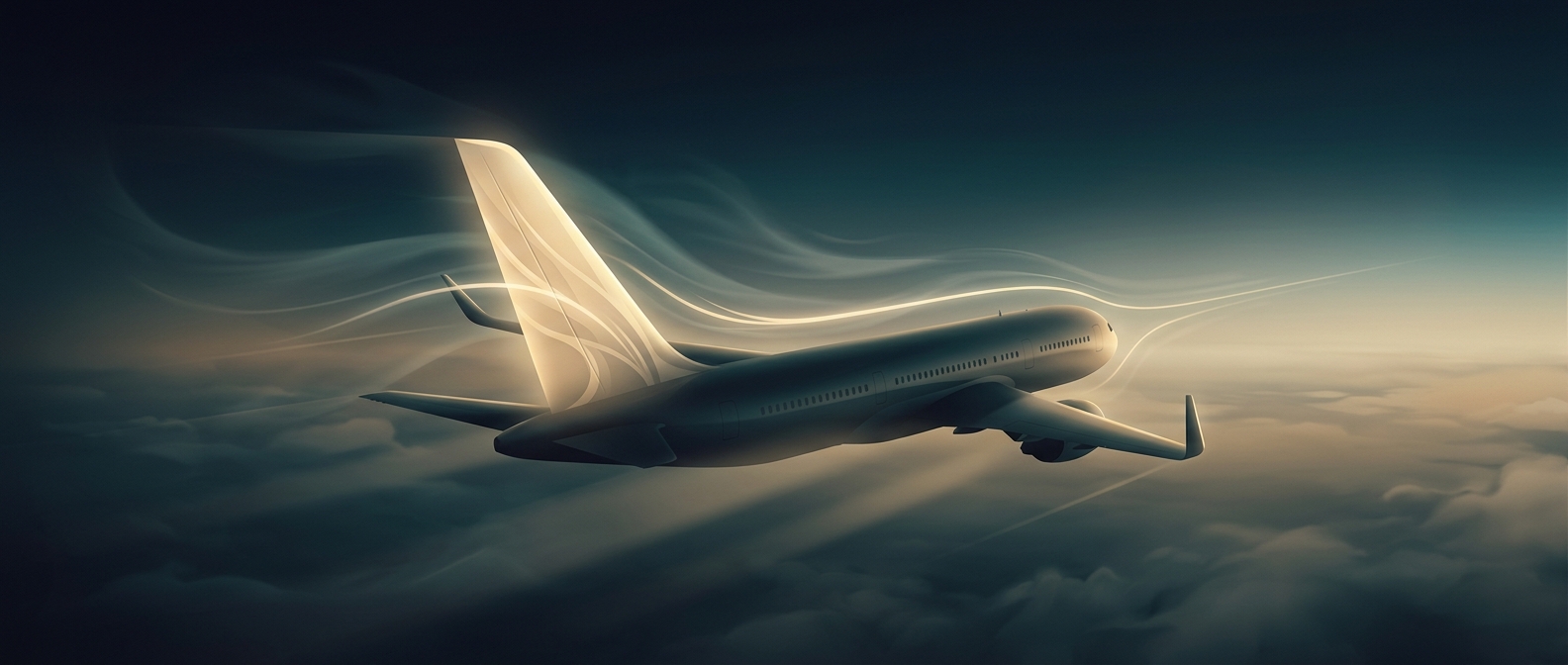
The jet stream is a narrow band of powerful winds high in the atmosphere. Flying into it can reduce an aircraft’s progress over the ground. If the crew’s position estimate was off, the expected landmarks or arrival point would not be where the pilots believed them to be. In mountainous terrain, descending on the basis of a mistaken estimate leaves little room to recover.
Why the wreckage stayed hidden
The aircraft struck a glacier, and an avalanche covered the wreckage. Snow and ice can bury an impact site and conceal it from view; over time, a glacier’s moving ice can carry buried material rather than leaving it exposed at the crash location. The wreckage remained out of sight until melting ice revealed it about 50 years later.
That delay is a striking consequence of the landscape: the glacier did not simply preserve a wreck as a fixed object under glass. It covered and transported the evidence, then gradually exposed it again as conditions changed.