Why the tail fin sits behind the wings
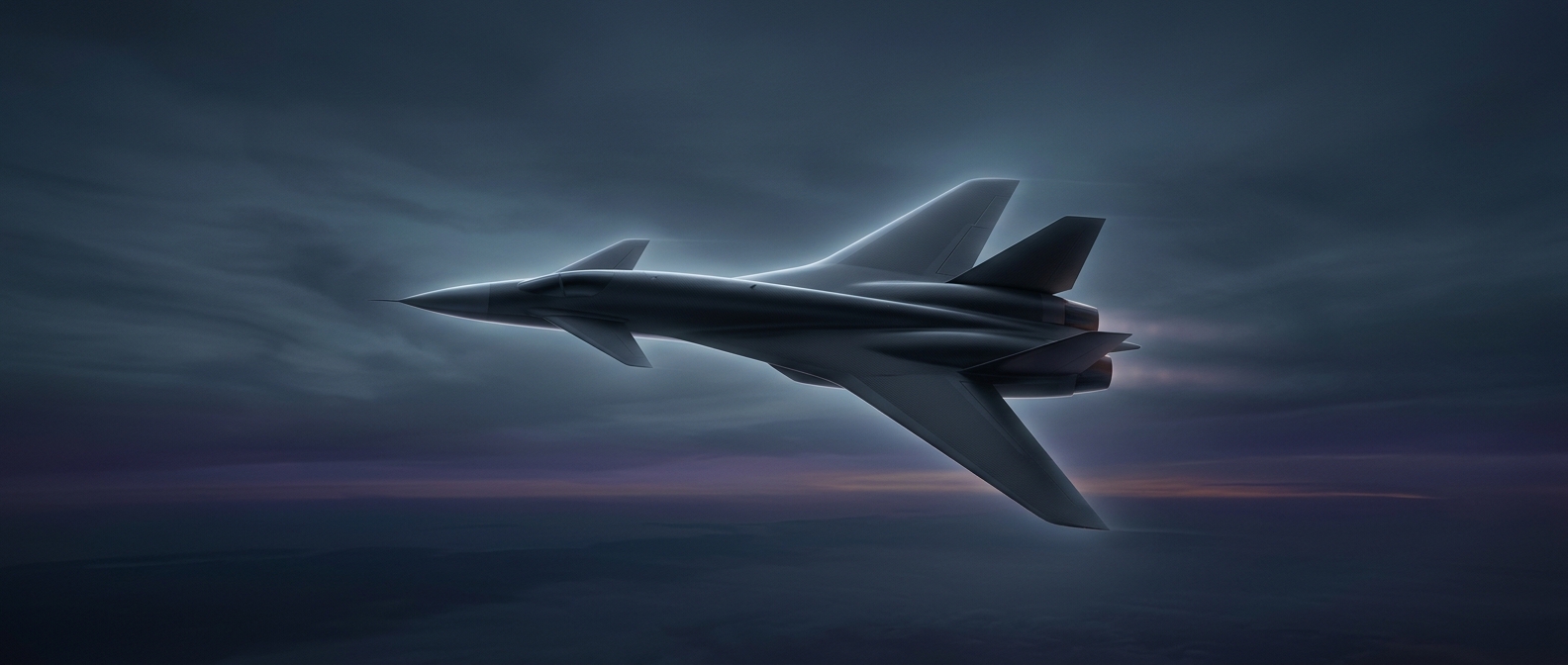
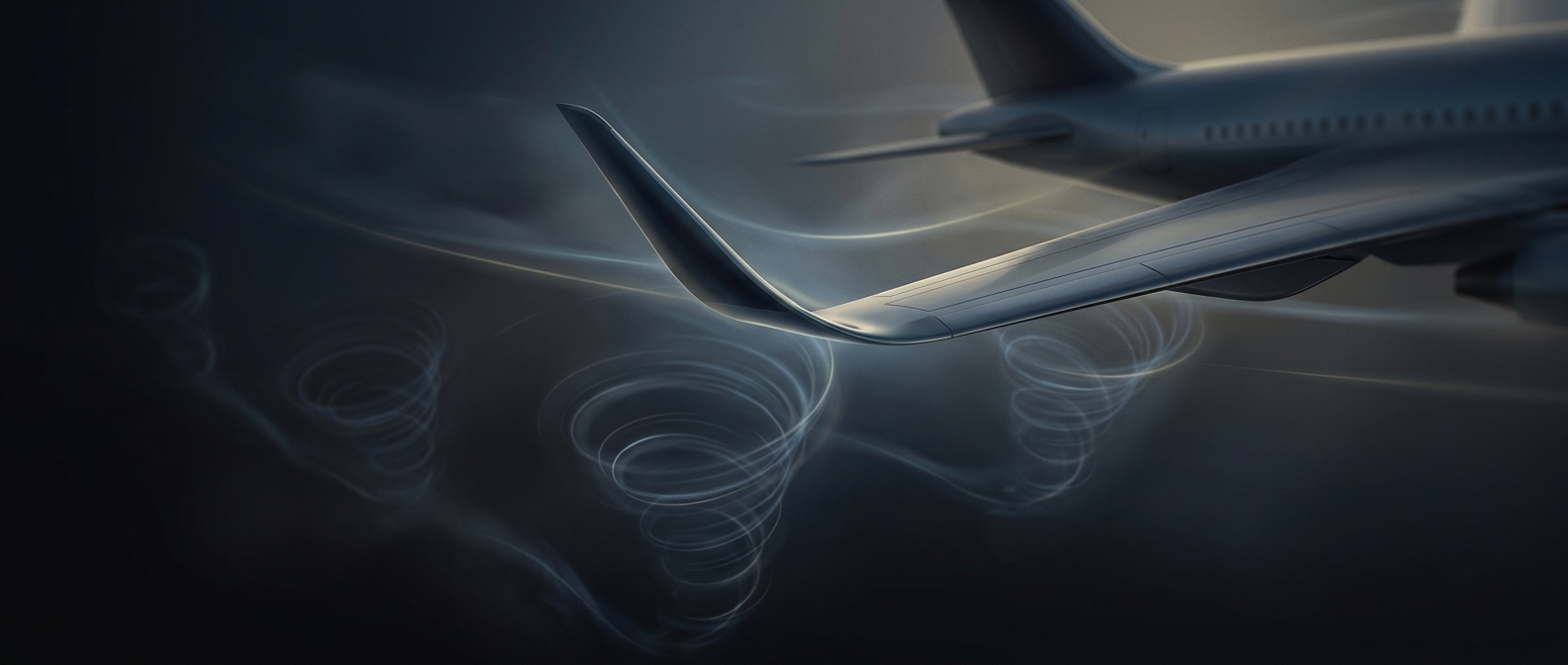
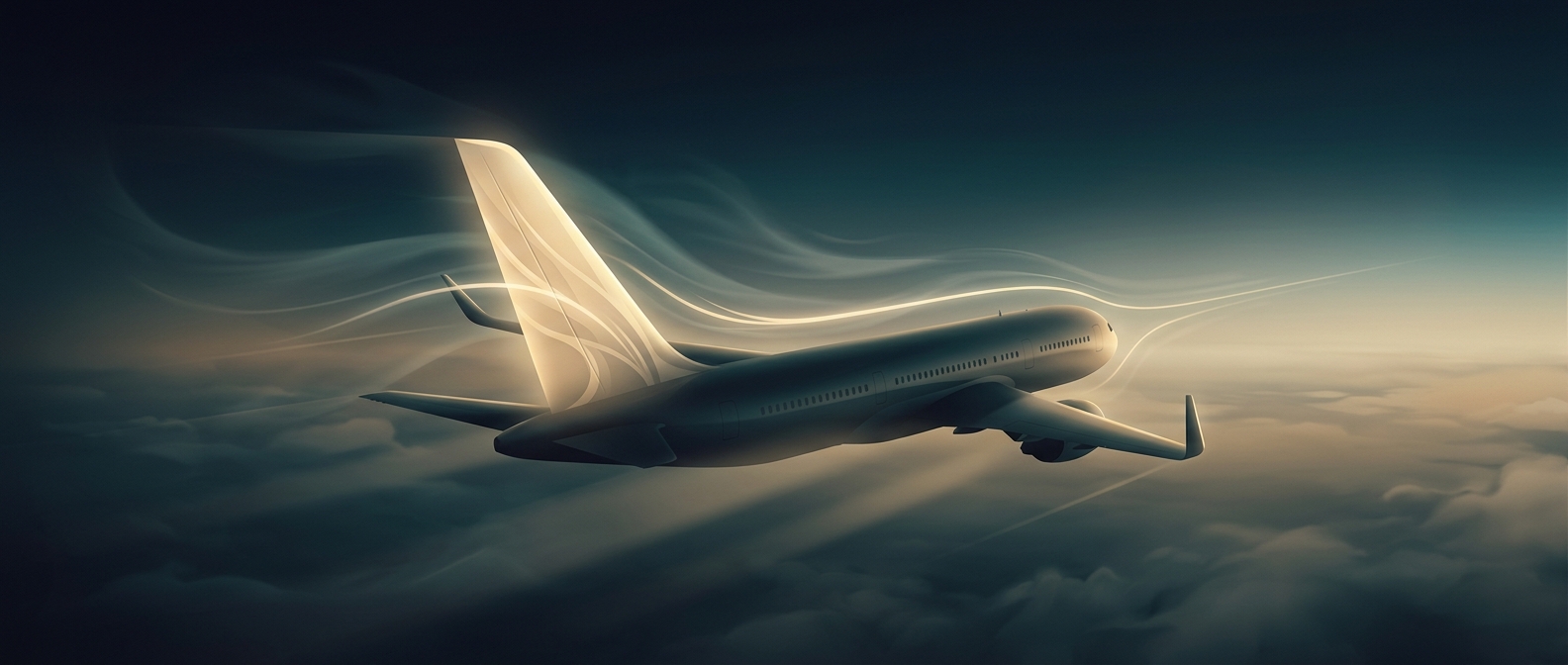
An airplane’s vertical tail is called the vertical stabilizer because it helps resist unwanted yaw: rotation that swings the nose left or right. Its position matters. When the aircraft is moving slightly sideways through the air, the fin encounters that airflow behind the airplane’s center of gravity. The resulting aerodynamic force pushes the tail sideways, tending to swing the nose back toward the direction of travel.
This is called directional stability. It is the same basic “weather-vane” effect that turns a weather vane so its tail trails behind the wind. Without enough stabilizing surface at the rear, a small sideways disturbance could be harder to correct and might grow instead of fading.
The fin steadies the plane; the rudder steers it
The fin itself is fixed, but the rudder—a movable surface attached to its trailing edge—lets the pilot deliberately change the airflow and yaw the airplane. That control helps coordinate turns and correct for disturbances such as a crosswind during landing. The stabilizer’s job is different: it supplies a tendency to return toward a steady, nose-first path when the pilot is not commanding a change.
That does not mean an airplane must always point exactly where it is traveling. In a sideslip, the nose and the airplane’s path are deliberately angled relative to one another. Pilots can use that condition for control, including when managing a crosswind. The tail fin helps make yaw manageable; it does not lock the airplane onto a single heading.
The useful design balance is between stability and control: the fin should resist unintended swings, while the rudder must still be able to overcome that resistance when a turn or correction calls for it.