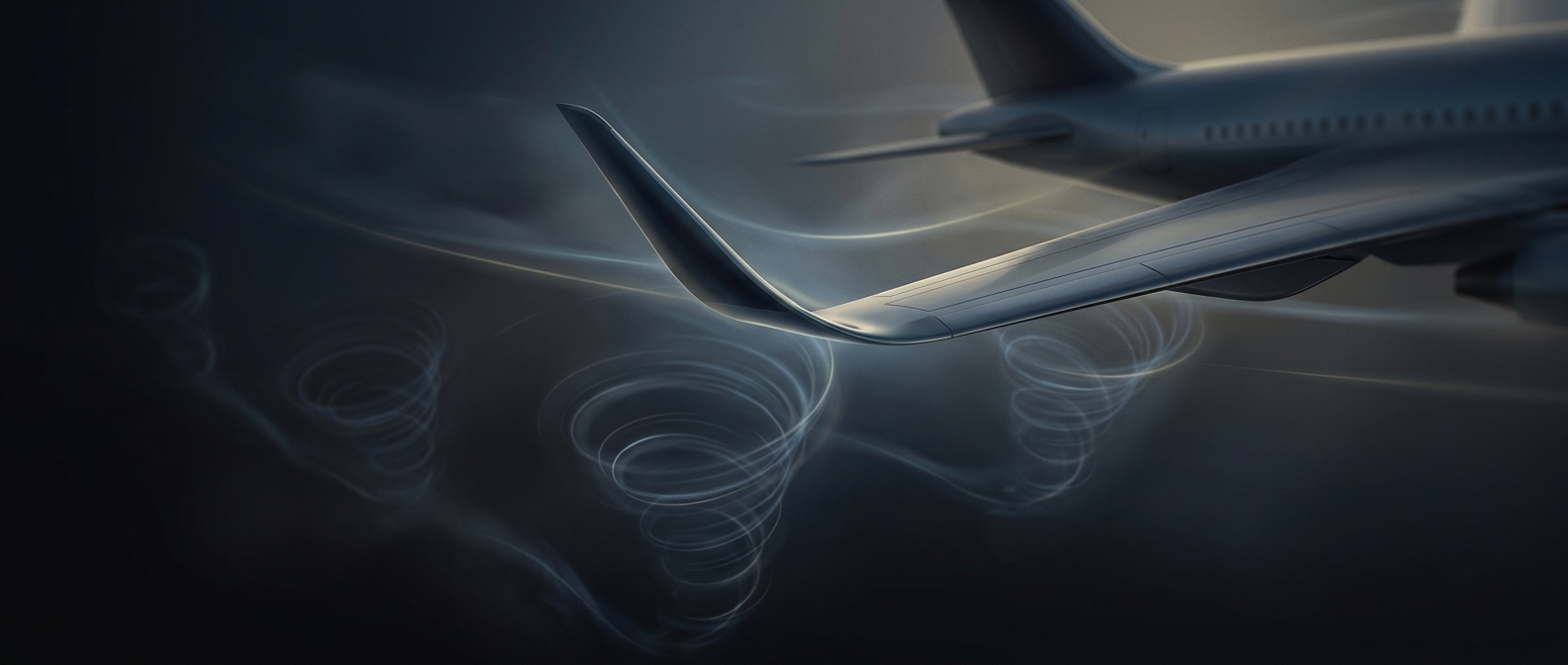
Why a wingtip vortex costs fuel
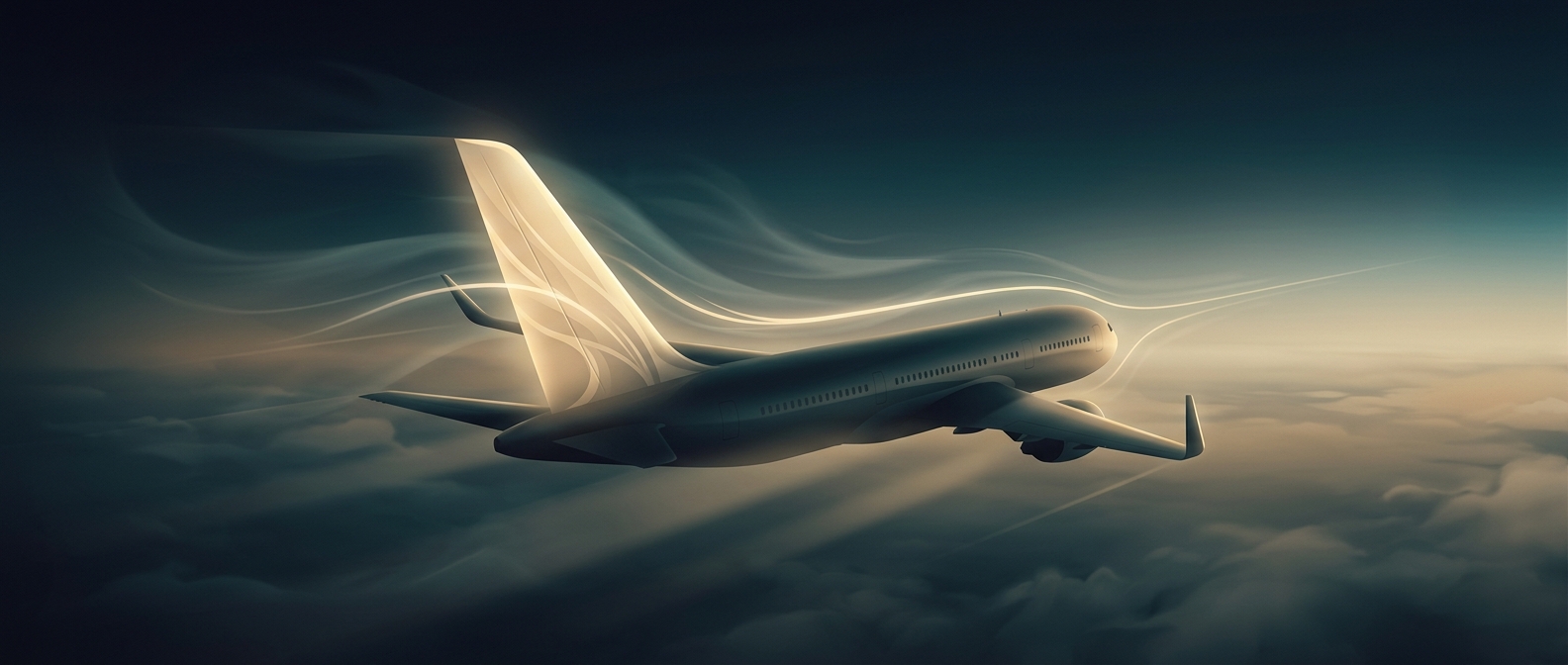
A wing produces lift because pressure is generally lower above it than below it. Near the tip, air can curl around the edge from the higher-pressure underside toward the lower-pressure top. As the airplane moves forward, that rolling flow trails behind as a vortex—a rotating column of air.
The vortex matters because it changes the airflow over the wing. It pushes the air behind the wing downward, so the lift force tilts slightly backward. That backward component is called induced drag: resistance the engines must overcome simply to keep the airplane aloft.
How an upturned tip helps
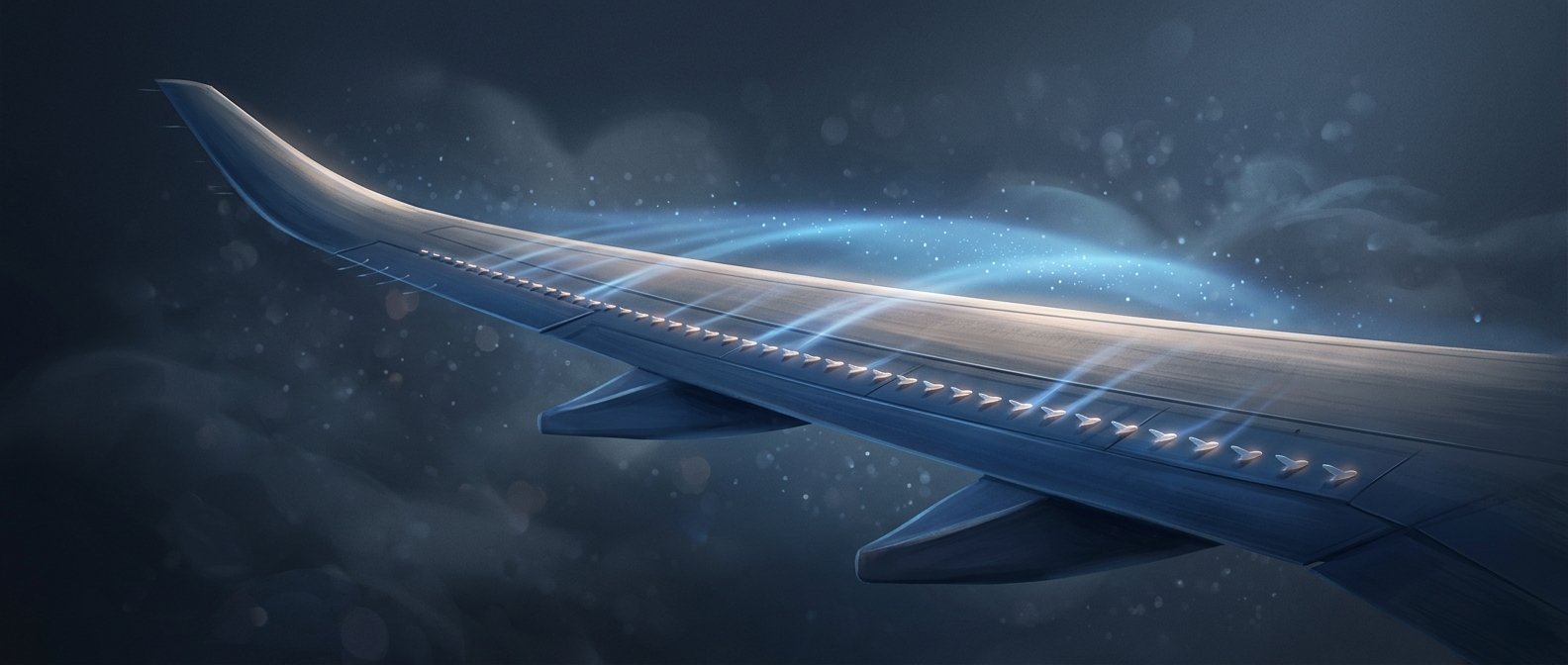
An upturned wingtip, often called a winglet, acts like a small vertical wing. It alters the pressure and airflow near the main wing’s end, weakening the rolling flow that feeds the trailing vortex. The vortex does not vanish, but reducing its strength can reduce induced drag, especially when the airplane is carrying substantial weight or flying slowly, when it needs to generate more lift.
The benefit is not free. A winglet adds weight and can increase the forces the wing structure must withstand. Designers must weigh those costs against fuel savings and consider practical limits such as the airplane’s total wingspan on airport gates and taxiways. The best shape and size depend on the aircraft and how it is used.
That is why an upturned tip is more than a decorative flourish: it is a carefully traded piece of lift-producing structure, intended to make the wing waste less energy in the air it leaves behind.