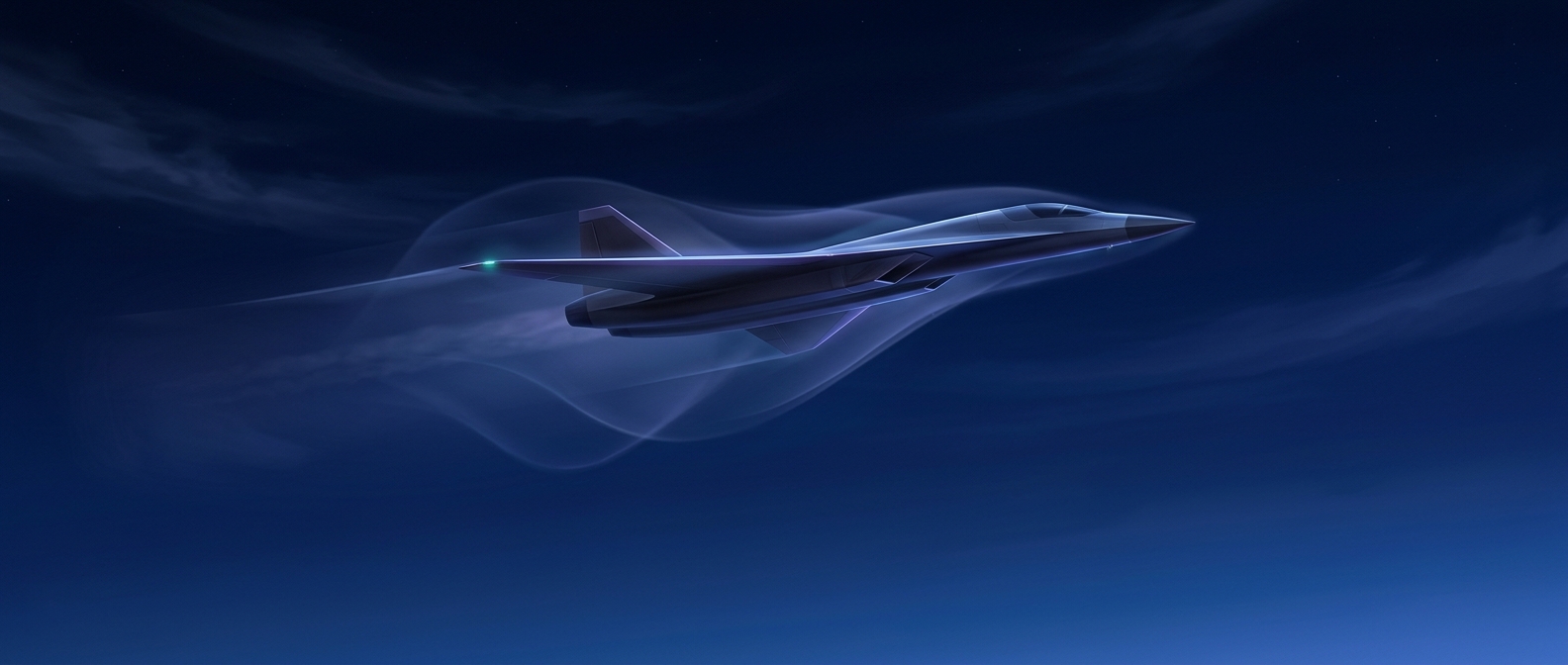
The wing can meet sonic effects before the airplane does
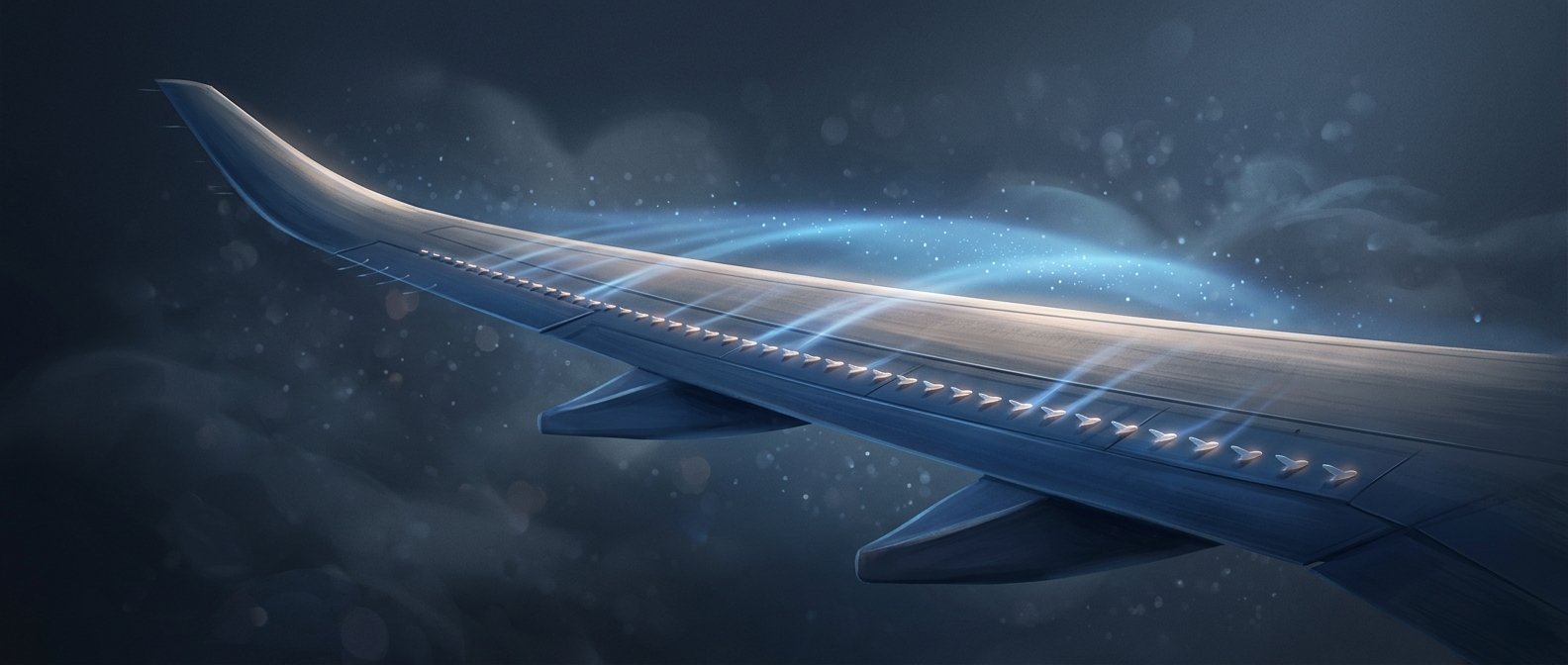
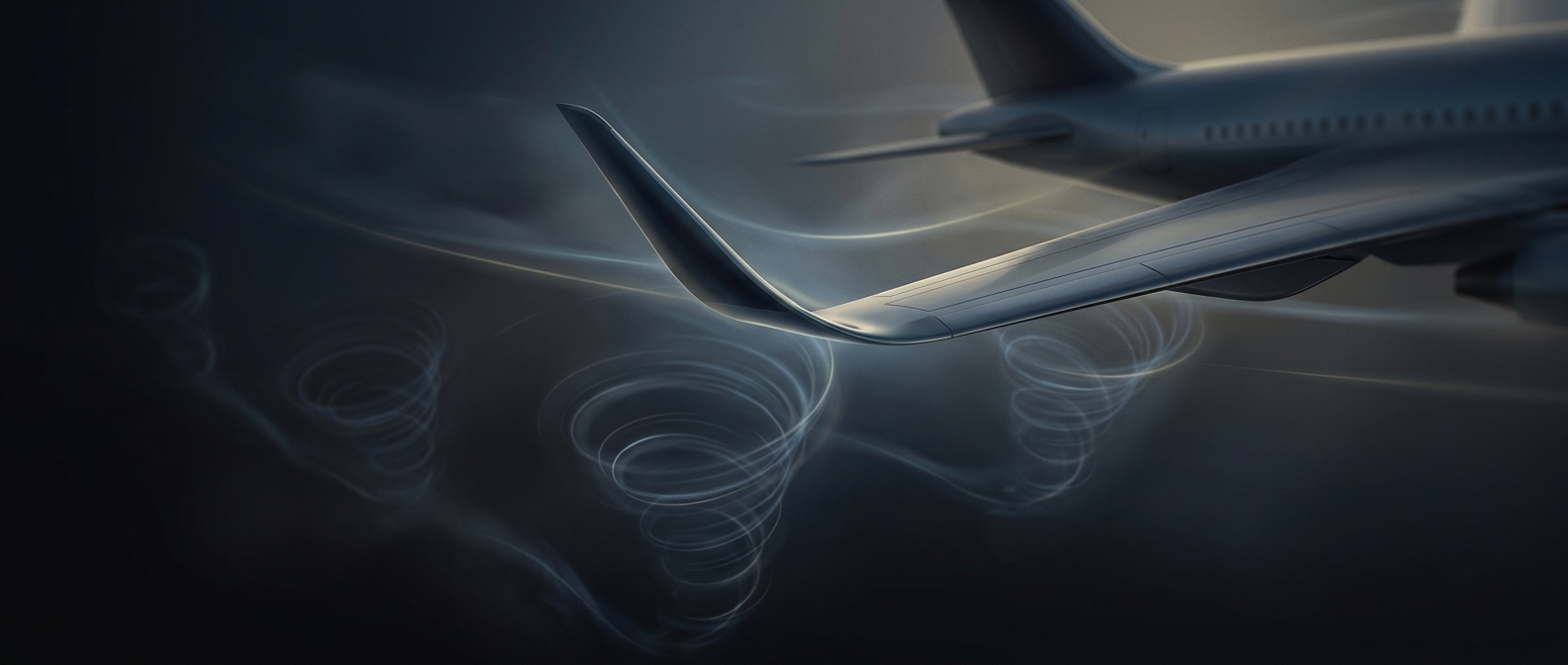
An airplane does not have to reach the speed of sound for compressibility to become a problem. As air flows over a wing, it speeds up around the wing’s curved upper surface. At high enough aircraft speed, some of that air can briefly move faster than sound, then slow abruptly in a shock wave. The resulting pressure changes increase drag sharply and can disturb lift and control.
Sweep delays the drag rise
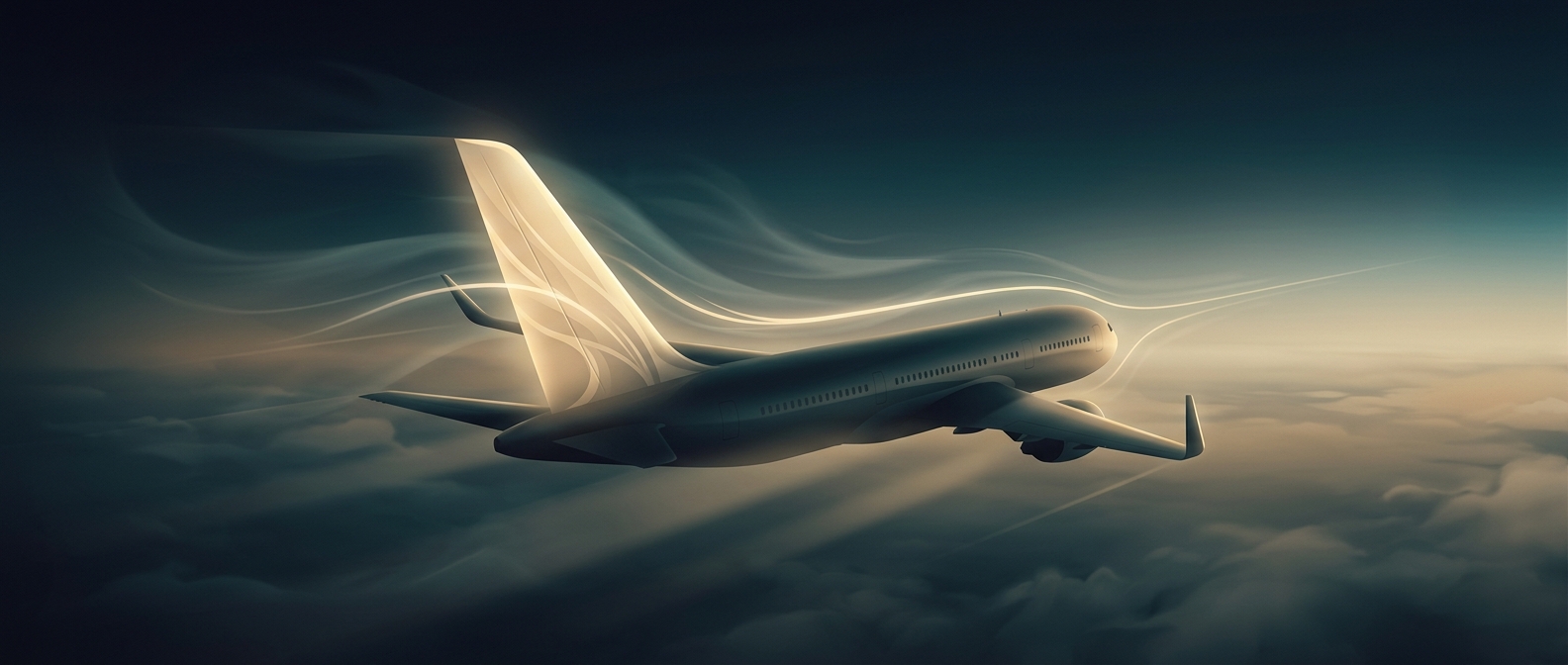
A swept wing is angled so that only part of the incoming airflow acts straight across the wing. In aerodynamic terms, this reduces the airflow’s component perpendicular to the wing’s leading edge—the part most relevant to how quickly pressure changes develop across it. The wing can therefore fly faster before shock waves and the associated drag rise become severe.
Sweep does not eliminate those effects; it shifts the speed at which they become important. That gives designers room to cruise faster without making the aircraft’s entire structure dramatically stronger or heavier just to cope with high-speed aerodynamic loads.
Speed comes with a low-speed tradeoff
The same geometry is less helpful during takeoff and landing. Swept wings generally produce less lift at low speeds than a comparable straight wing, so designers must account for the higher speeds needed near the runway. High-lift devices such as flaps help by changing the wing’s shape for those phases of flight.
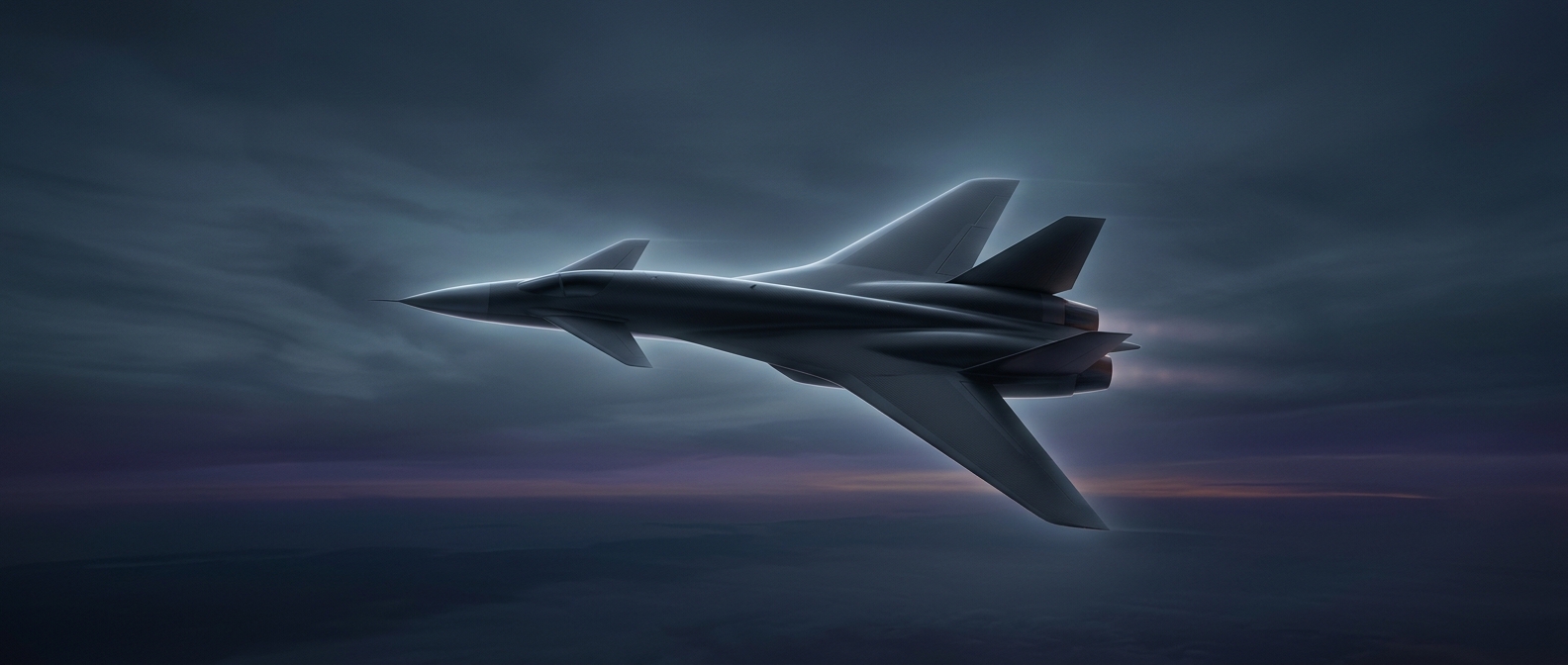
That is why a fast jet’s angled wings are not merely a styling choice: they address a specific high-speed airflow problem, while the rest of the wing design has to make the aircraft workable when it is moving slowly.