The front wing changes the aircraft’s balance
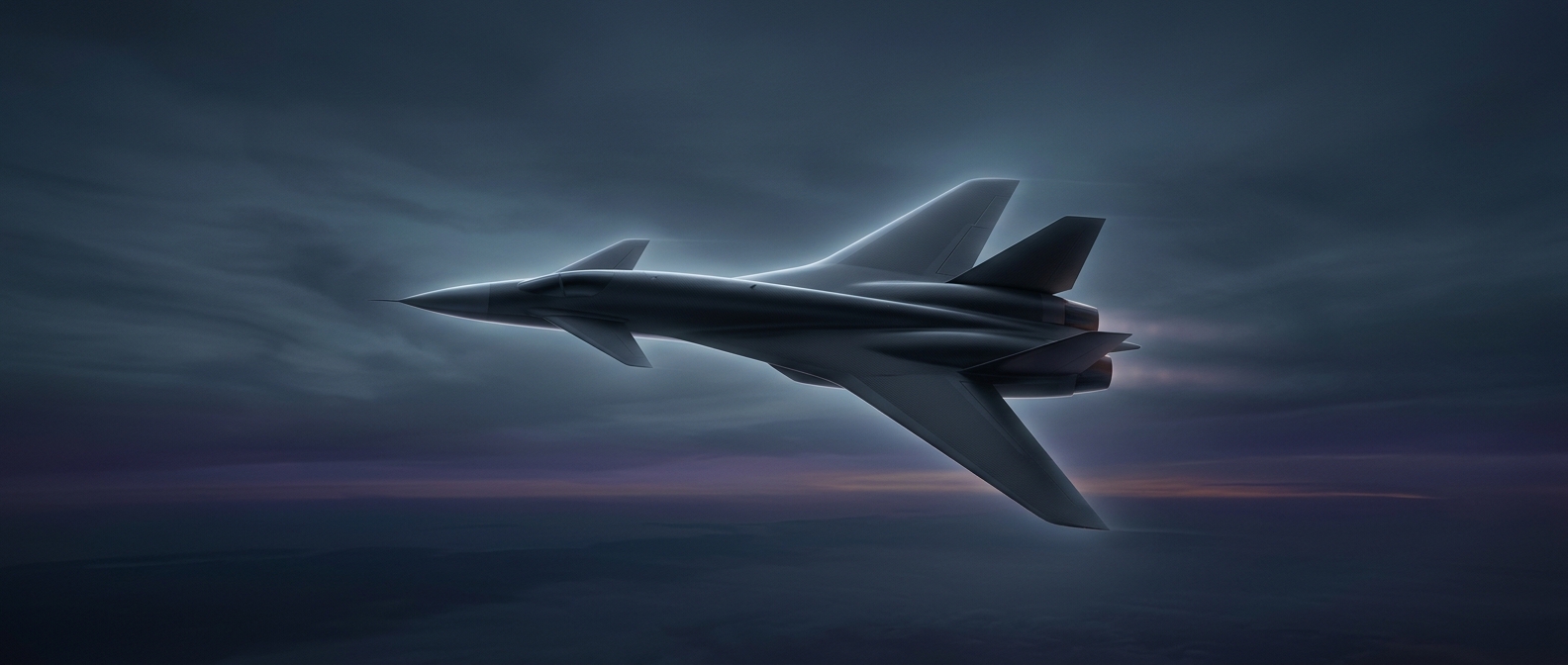
A canard is more than a small substitute for a tail. Because its forward wing produces lift, it supports some of the aircraft’s weight while also helping control pitch—the nose-up or nose-down rotation. On many conventional airplanes, the tail’s horizontal surface instead pushes downward, balancing the airplane around its center of gravity. A canard shifts that balancing job to the front.
That changes how designers arrange the airplane. The forward surface, main wing, and center of gravity must work together: if their forces are poorly matched, the aircraft may be difficult to trim or control. The canard’s size and position are therefore tied to the main wing’s shape and to how the aircraft is expected to fly, not simply to where a pilot might want an extra control surface.
Stall behavior is part of the design
Designers also consider what happens when the wings approach a stall, a loss of lift caused by airflow separating from a wing. In many canard aircraft, the forward surface is designed to stall before the main wing. Its lift then falls, tending to lower the nose and reduce the main wing’s angle to the airflow. This can help the airplane recover rather than letting the main wing lose lift first.
That behavior is not automatic: it depends on the aircraft’s geometry and operating conditions. A canard must generate enough lift to do its share of the work, but its airflow can also affect the main wing, so the two surfaces need to be designed as a system.
A different balance, not a free advantage
Putting a lifting surface at the nose can reduce the need for a tail that pushes downward, but it brings its own constraints. The forward wing must fit around the cockpit and nose, and designers must carefully manage weight distribution and stall behavior. The result is a tradeoff: a canard airplane gets pitch control and lift from the same front surface, making the location of that wing central to the aircraft’s balance and safety.