One performance, many game sessions
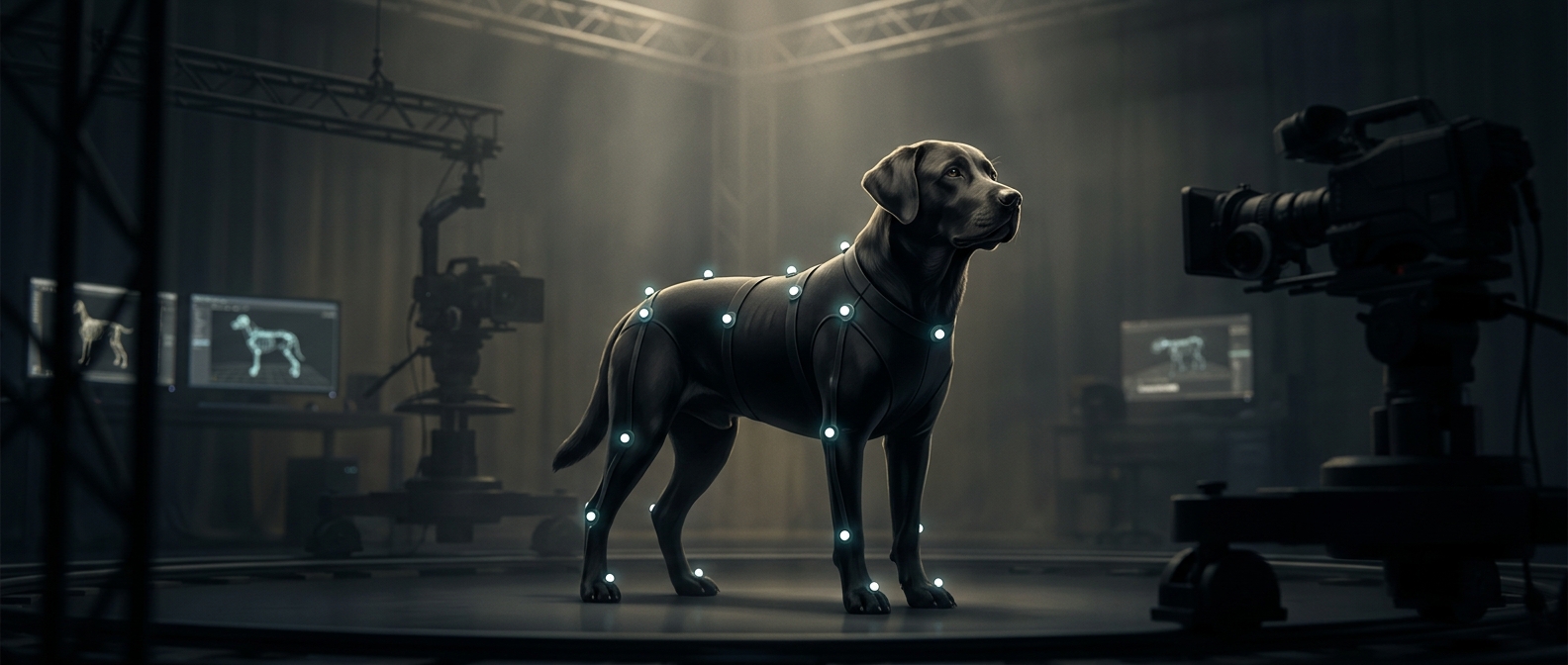
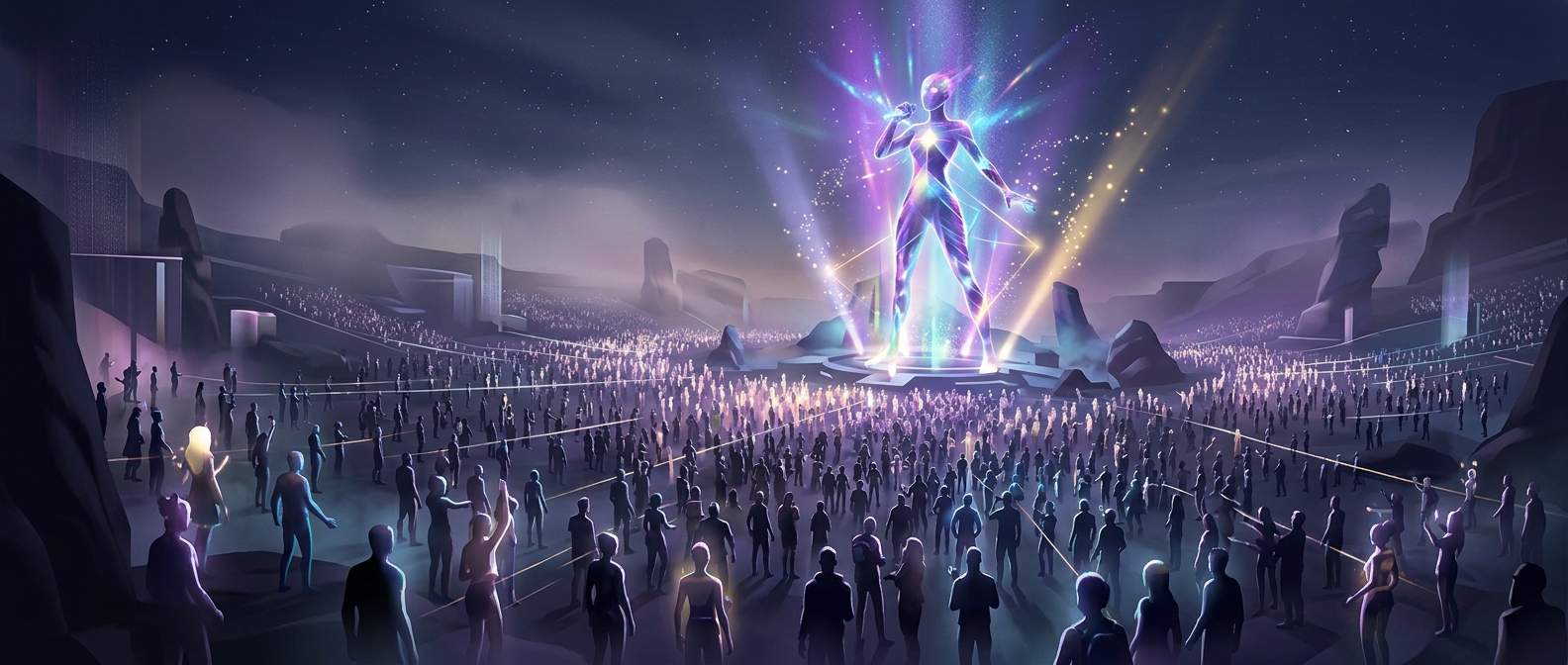
A motion-capture studio turns an artist’s movements into data that can animate a digital performer. That captured performance can then be combined with a designed virtual stage and presented inside Fortnite, where players experience it through the game rather than from seats in a physical venue.
The scale comes from software doing the repeating work. Instead of sending the artist to each city, the game can make the same performance available to players in many separate online sessions. Each player’s device renders the digital scene, while the game’s online systems coordinate the shared event. Millions of people can therefore take part around the same time without crowding into one literal arena.
The show is designed for play, not just watching
A virtual concert can change the world around the audience in ways a touring stage cannot: the setting, scale, and movement of the performer can all be part of the experience. Those moments have to be planned and built into the game, so the performance is not simply a camera recording placed on a screen. The artist’s captured motion supplies a human performance; the game environment supplies the spectacle around it.
That approach trades physical presence for reach. Players do not share a venue with the artist, but they can encounter the same carefully staged event from wherever they log in. A single captured performance can thus become a shared occasion for a worldwide audience—without the trucks, travel, and repeated live sets of a world tour.