Turning a dog’s movement into animation
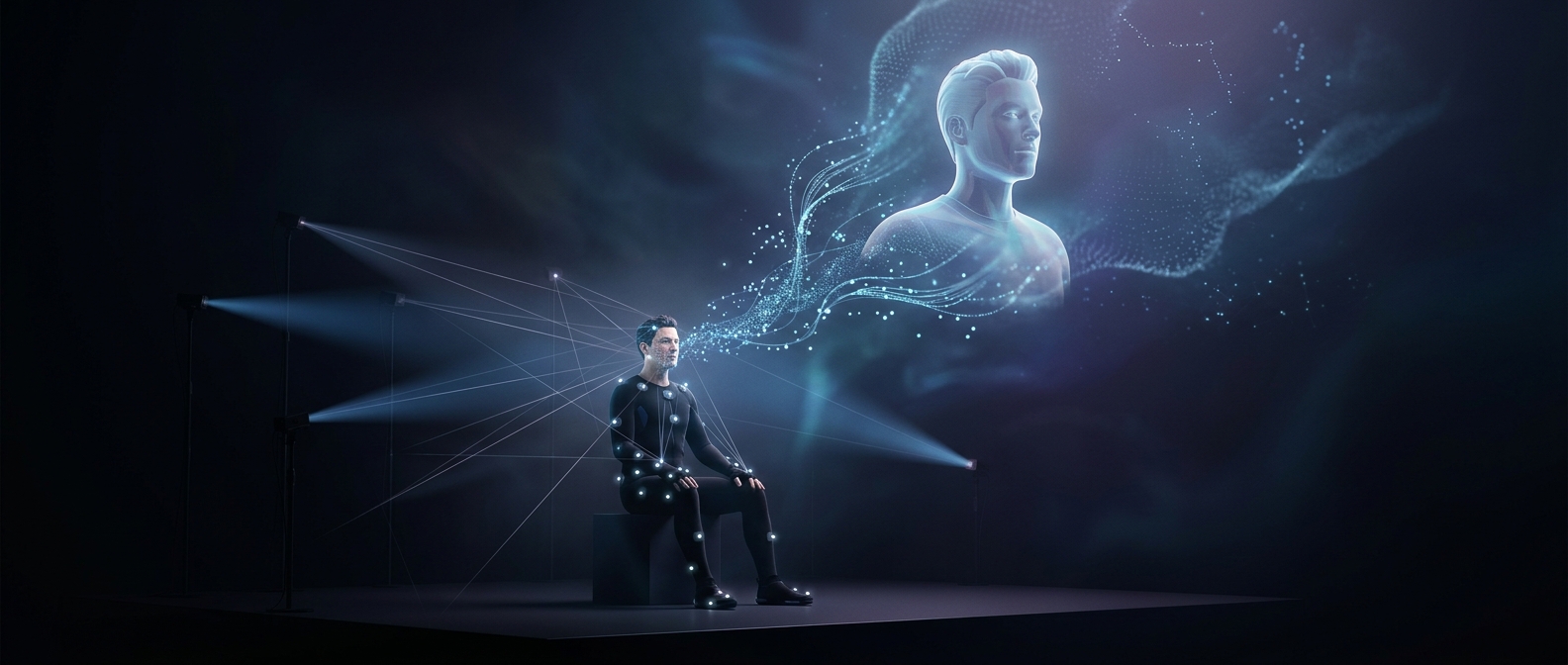
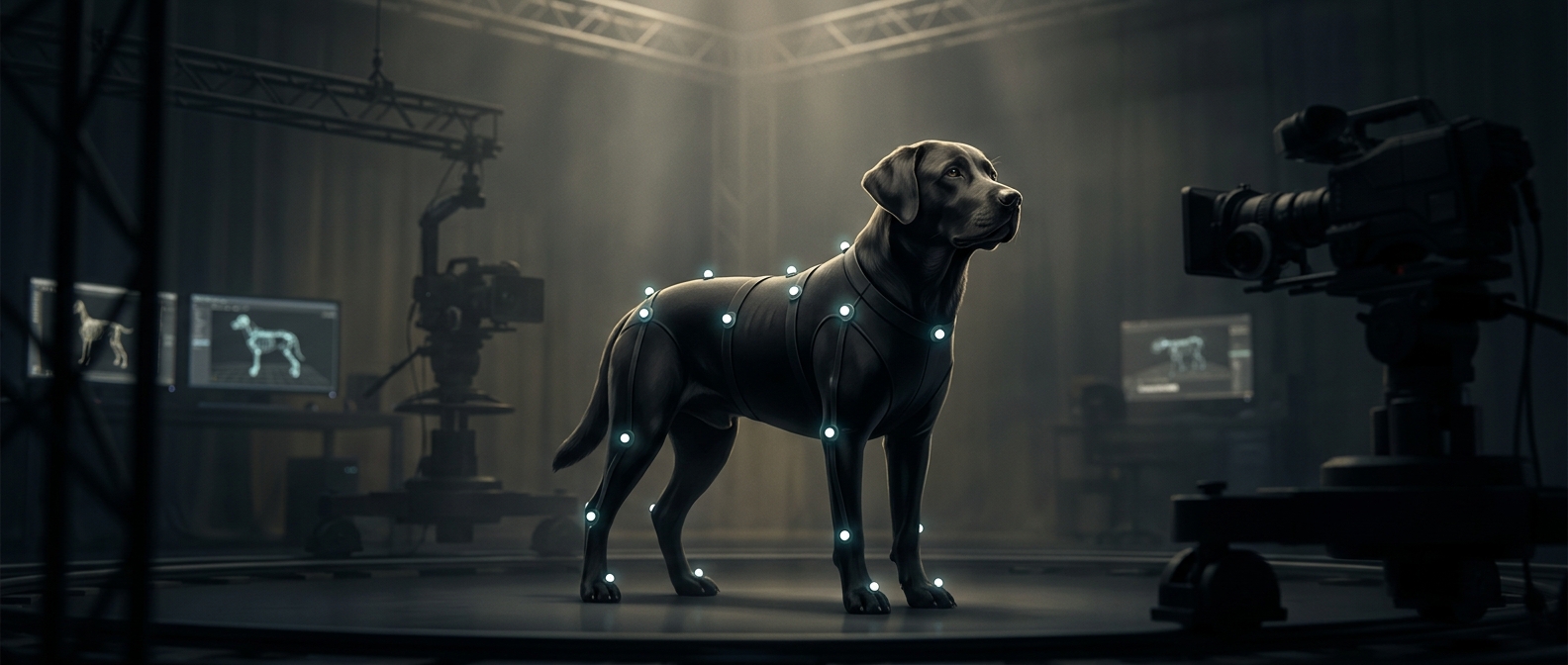
A tracking suit gives cameras clear points to follow as the dog moves. With several cameras viewing the markers from different angles, production software can reconstruct their changing positions in three dimensions. Those positions form a motion record that animators can use to guide a digital character, rather than guessing how each step, turn, or wag should look.
The markers matter because fur and changing body shapes can make a dog’s outline difficult to track reliably. A close-fitting suit helps keep each marker in a known place on the body. If a marker shifts or disappears from view, the recorded motion may become harder to interpret.
The dog’s motion still needs a translation
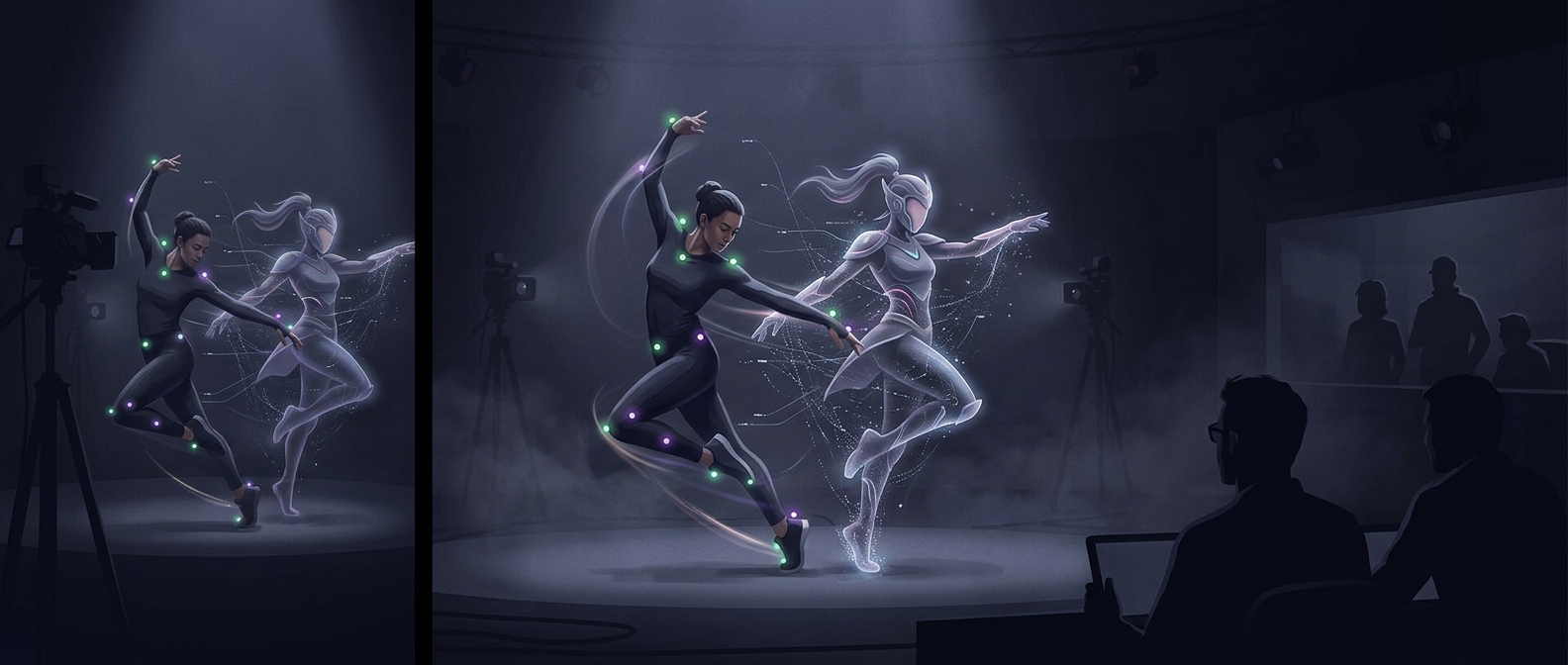
Capturing movement is not the same as finishing an animated performance. A real dog and a digital character may have different proportions or joint arrangements, so animators adapt the recorded motion to the character’s body. They can preserve a recognizable detail—such as the rhythm of a tail wag—while adjusting the movement to fit the design and the scene.
That makes the suit a practical compromise: it helps record natural canine movement, but it must fit comfortably and stay unobtrusive enough for the dog to move freely. The payoff is a performance built from an actual animal’s timing, not just an animator’s approximation of it.