How a Performer’s Flip Becomes a Game Animation
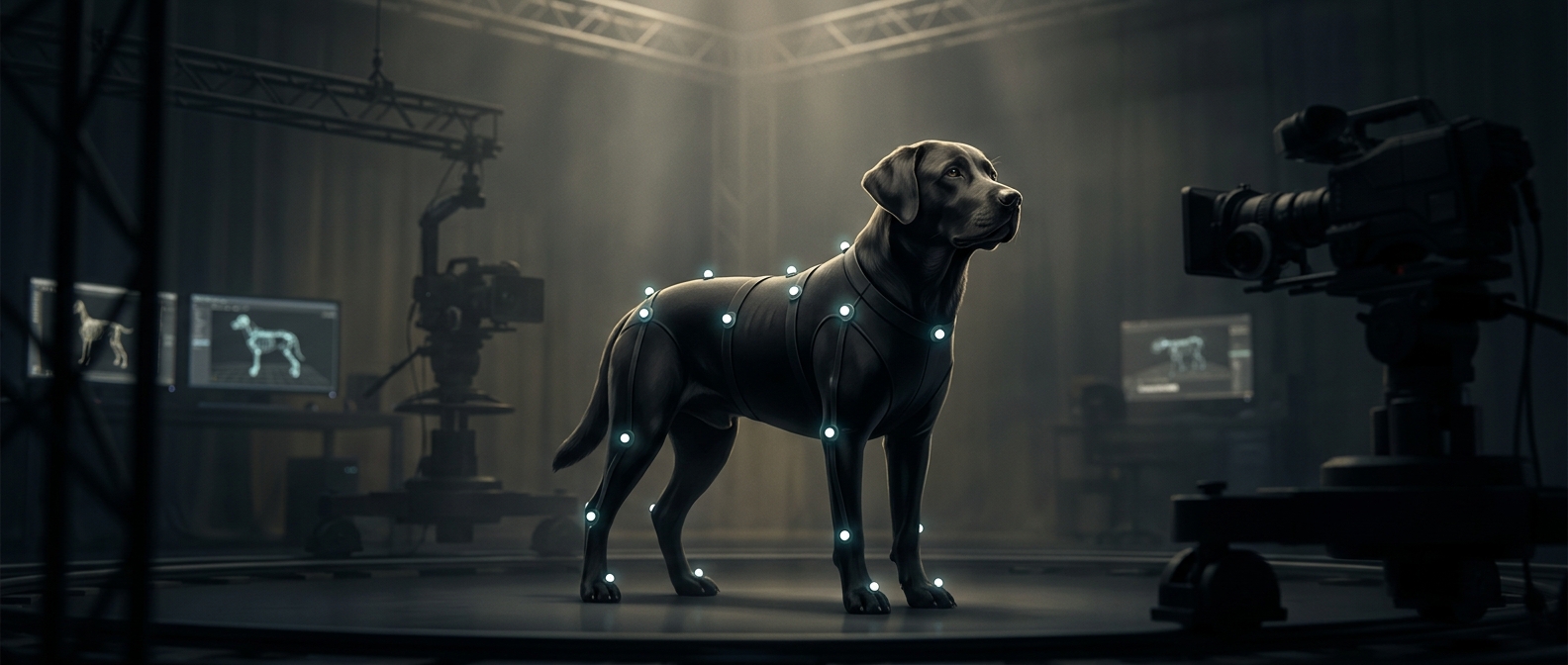
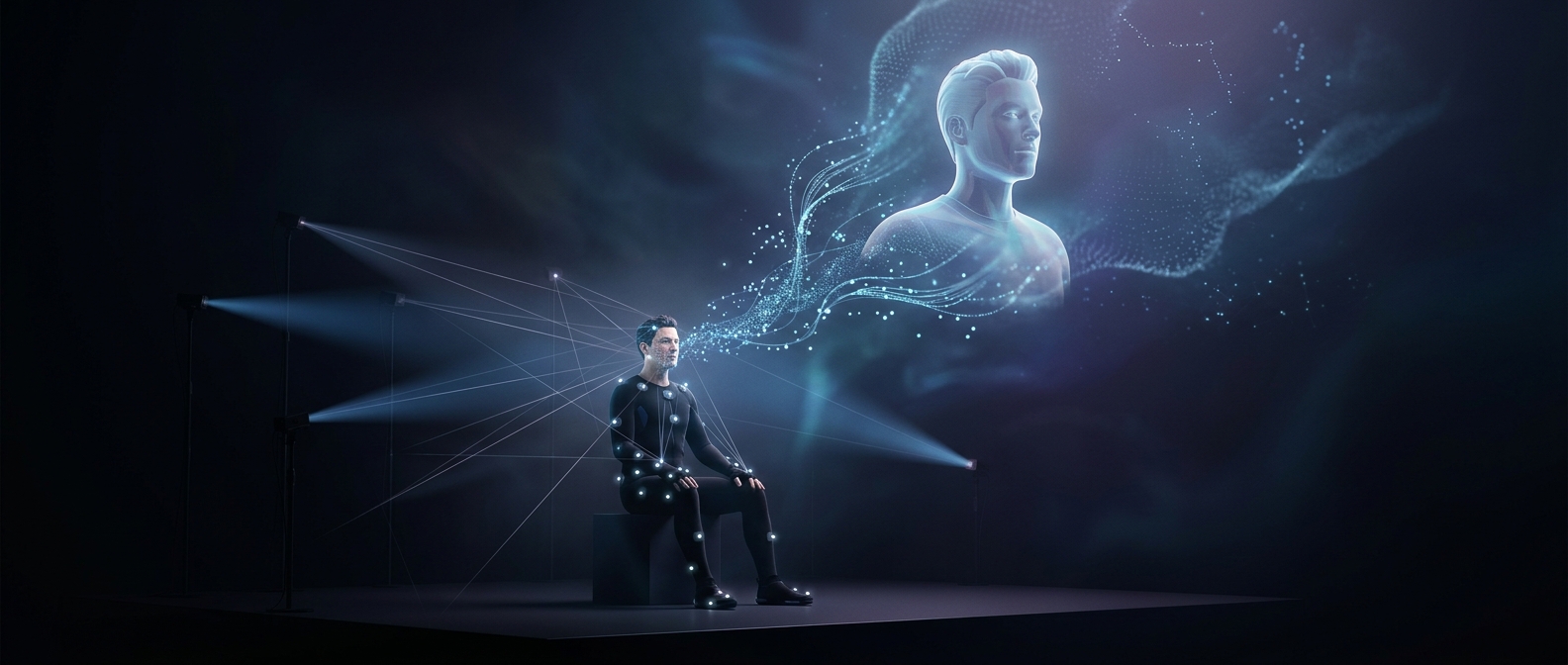
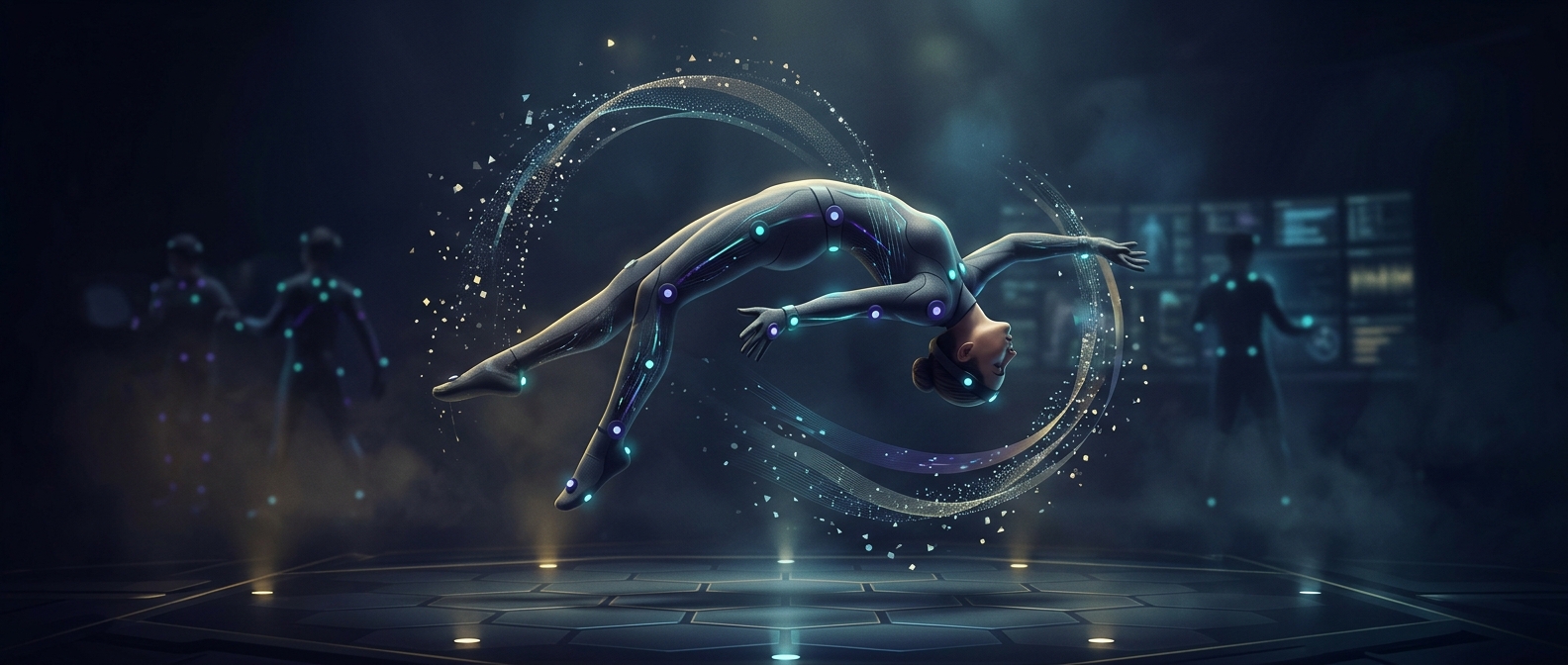
A tracking suit is a recording tool, not a costume that turns a stunt into finished animation. Sensors or reflective markers on the performer’s body let a motion-capture system estimate how their joints move through space. The result is a stream of movement data: a shoulder turns, a knee folds, a body rotates.
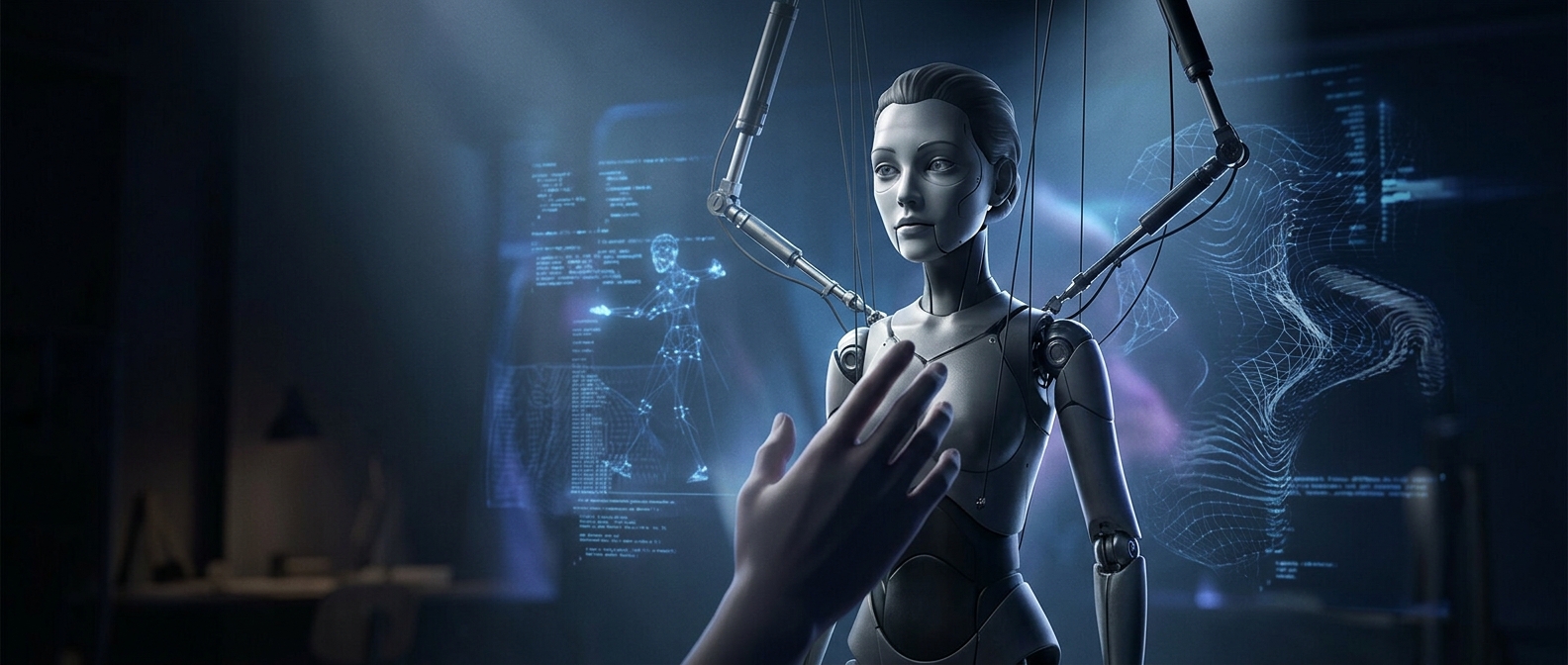
That data is then fitted to the game character’s digital skeleton, a connected set of virtual joints that controls its pose. Because a character’s proportions may differ from the performer’s, animators often have to adjust the motion so a landing, kick, or rotation still looks convincing on the new body.
Why Bring in a Stunt Performer?
A backflip is a chain of tightly timed actions, not just a dramatic pose. The performer has to generate lift, tuck into the rotation, open at the right moment, and absorb the landing. A trained stunt performer can repeat that sequence with control, giving the capture team a usable performance while managing the real-world risks of the move.
The suit records motion, but it does not decide what the character should feel like. Animators can refine timing and posture, or exaggerate a movement to suit the character and the game’s style. They also have to make sure the action works in context: a spectacular flip is less useful if it looks disconnected from the attack or movement that comes before it.
From Real-World Limits to Digital Freedom
Capture preserves the physical logic of the stunt—the momentum and balance that make it readable—while the game can change the body performing it. A human-sized performer may supply the movement for a much larger or differently shaped character. The performer provides believable mechanics; the animation team decides how those mechanics fit the digital body. That division lets a game borrow the clarity of a real stunt without being bound to the performer’s appearance.