A horse assembled from a human animation rig
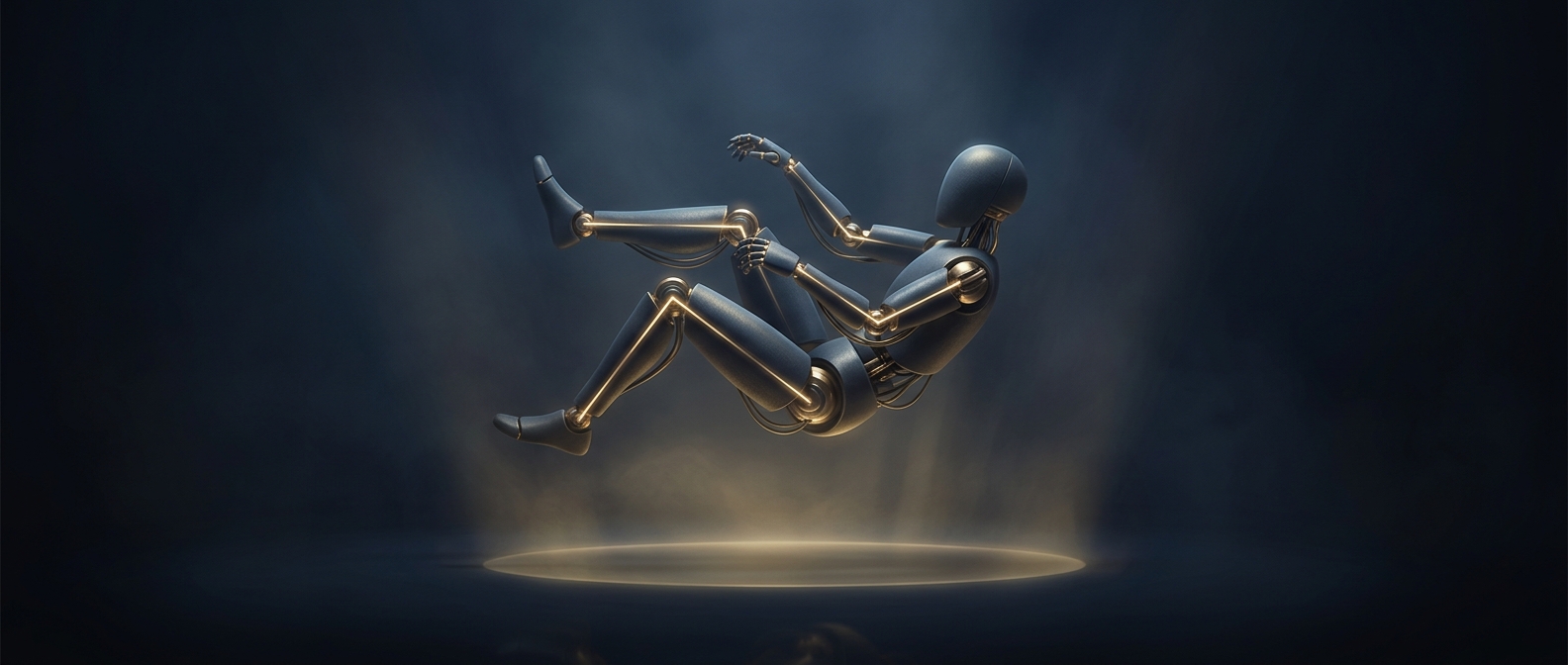
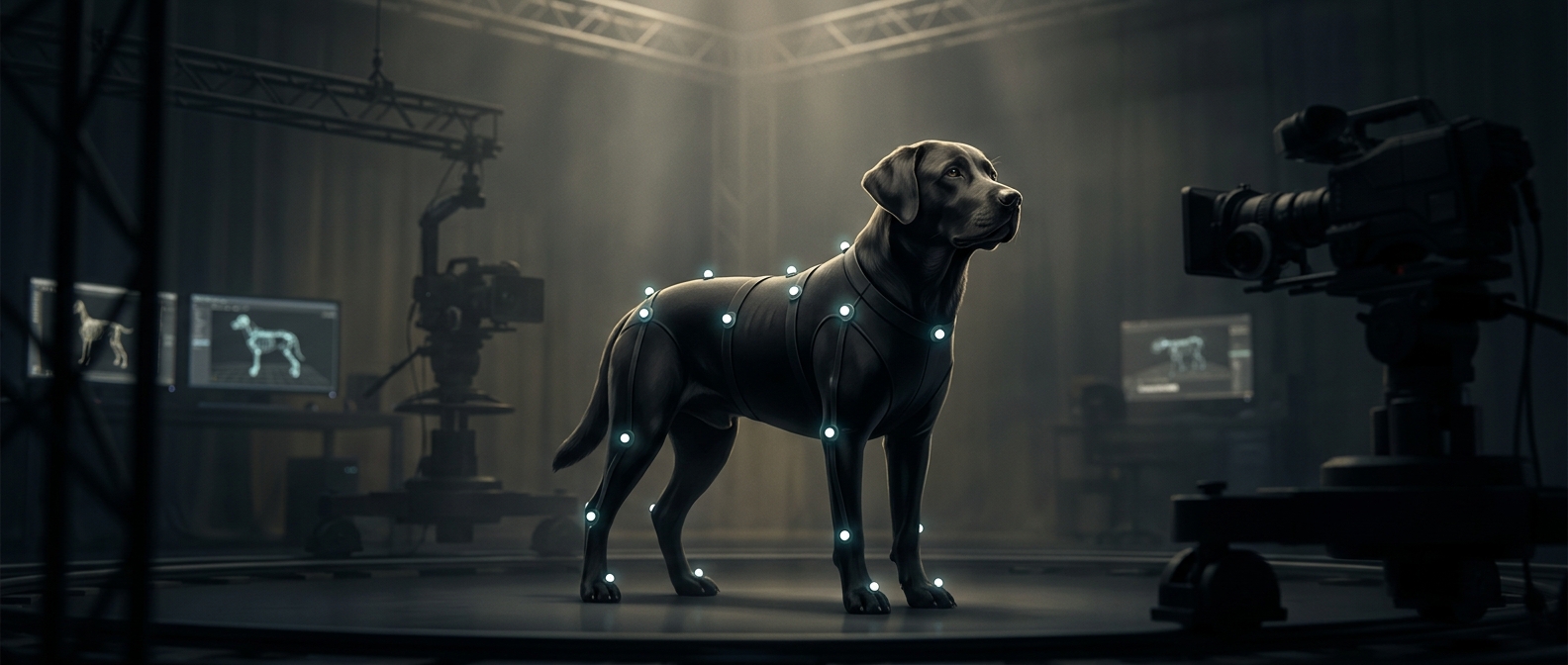
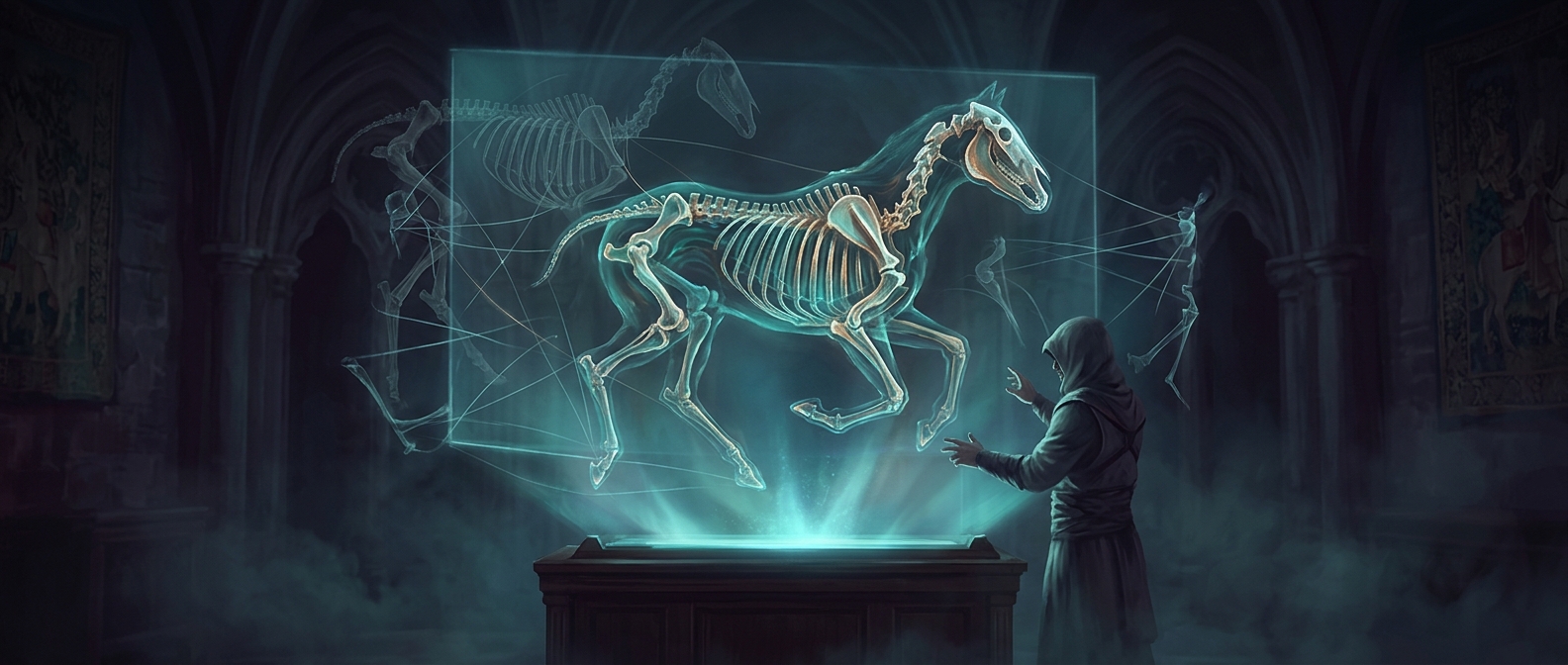
In a game, a character’s visible shape is only part of the model. Beneath it is a rig: a digital skeleton of joints that artists and animators move to create motion. For the horses in Assassin’s Creed, developers repurposed a humanoid rig rather than starting with a purpose-built horse skeleton.
They twisted the rig’s spine and limbs into a rough four-legged arrangement. The horse was therefore not simply a human-shaped character wearing a horse exterior; its underlying structure had been adapted from the human model.
Why the shortcut mattered
A rig determines how a model bends and which parts can move together. A human rig is organized around an upright body and two arms and two legs, while a horse’s body and gait require a different arrangement. Reshaping the human rig offered a way to build a usable animated animal within the engine’s limits, but it also meant working against a structure designed for another kind of body.
That tradeoff is a reminder that game characters are shaped not only by what players see, but by the systems that make them move. In this case, the horse’s foundations were a distorted human model—an unconventional starting point for a creature meant to gallop on four legs.