A scan is a model, not a performance
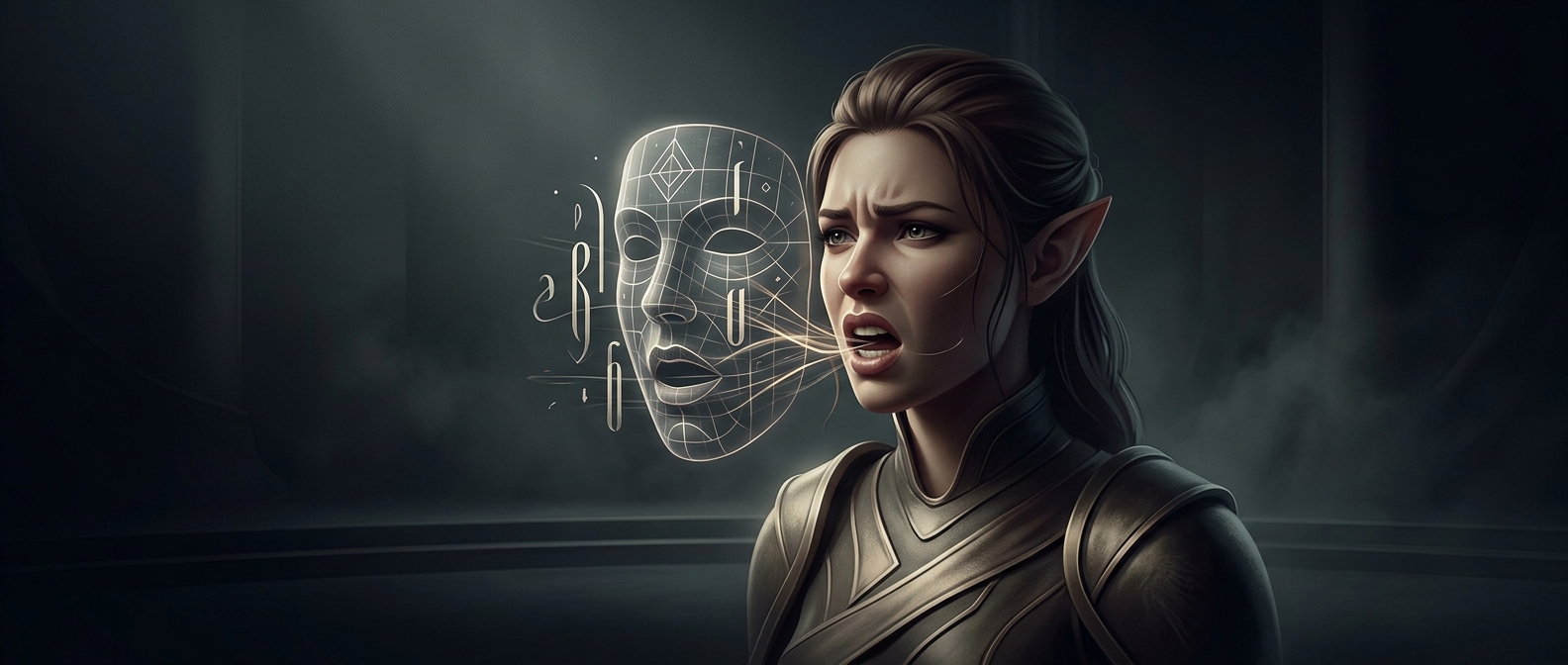
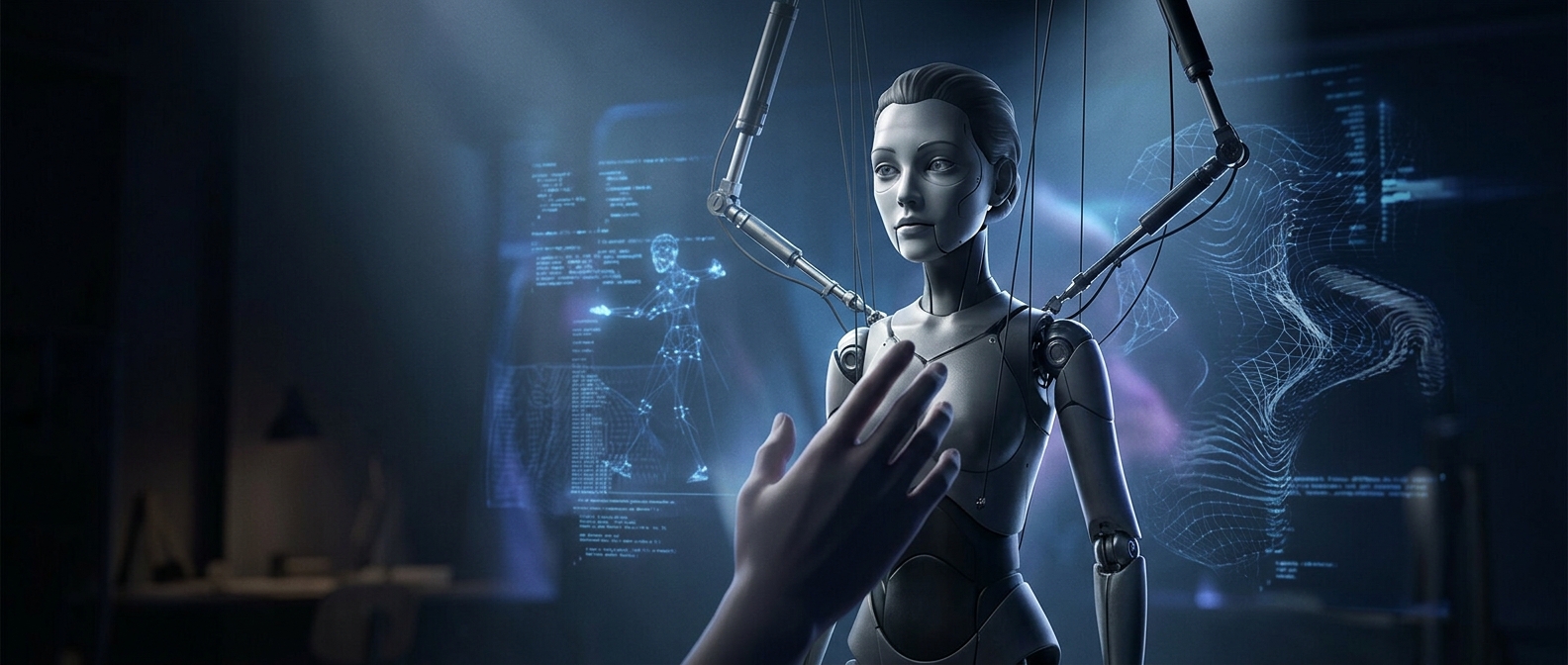
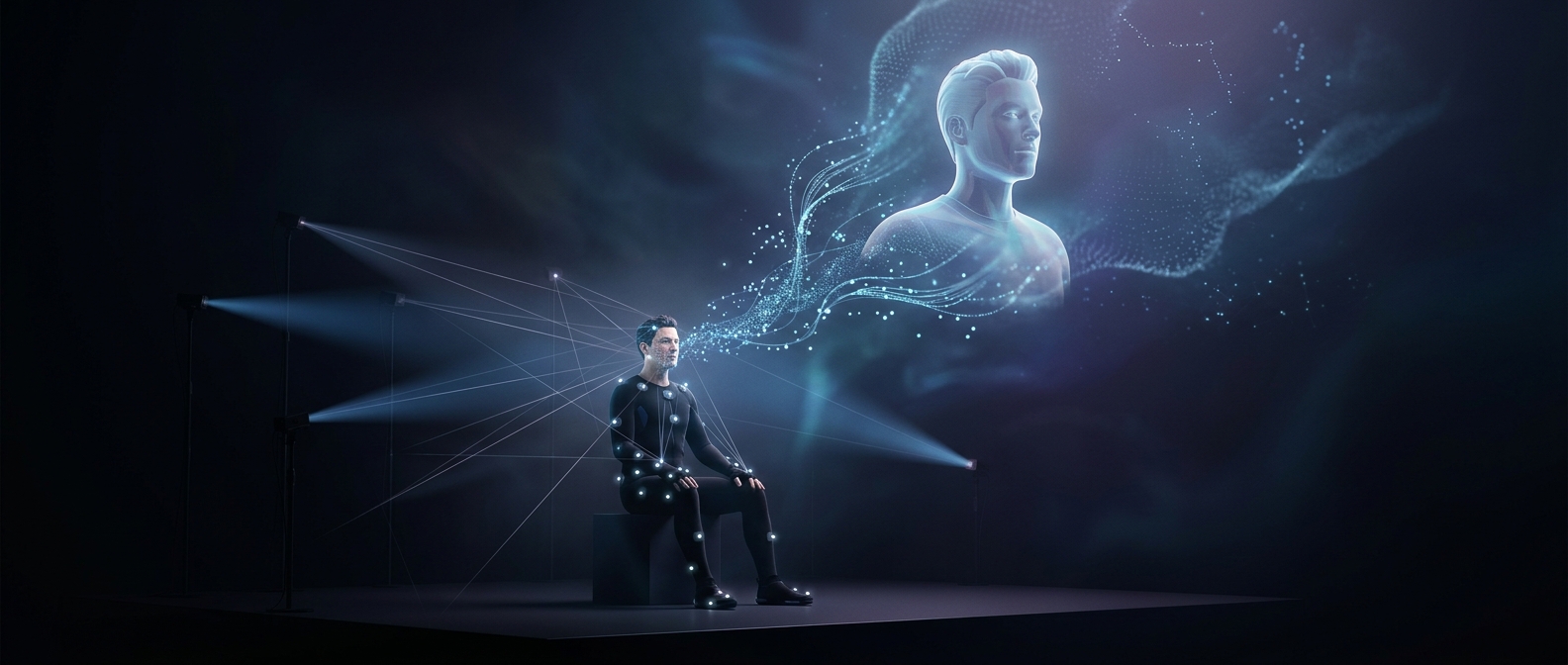
A high-resolution scan records an actor’s face as data: its shape, surface detail, and how light falls across it. Artists can use that data to build a digital double, but the scan does not contain a ready-made performance. To make the face speak, a studio still has to create or capture the movements—such as mouth shapes, blinks, and expressions—and animate them to fit a scene.
That distinction matters. A digital character can appear to deliver words the actor never said on set, because the face animation and the dialogue can be assembled later. The digital likeness supplies the recognizable appearance; it does not, by itself, supply the actor’s voice or the intended emotion.
Why the face can outlast the shoot
Once the model exists, it can be reused for new shots without bringing the actor back in front of a camera. A studio might need a revised line, a different facial reaction, or a scene built after principal filming. Instead of reshooting, artists can alter the animation and render the face again. In a game, the same assets may also need to work across many angles, lighting conditions, or player-triggered moments.
The practical boundary is no longer simply whether the actor is present. It is what the production has permission to do with the digital likeness—and what the agreement covers. A scan made for one role does not automatically settle every later use; the scope of permitted uses depends on the deal. The lasting asset is not just a recorded image, but a reusable model that can be directed after the performance itself is over.