A Performance Has to Survive the Trip Into the Game
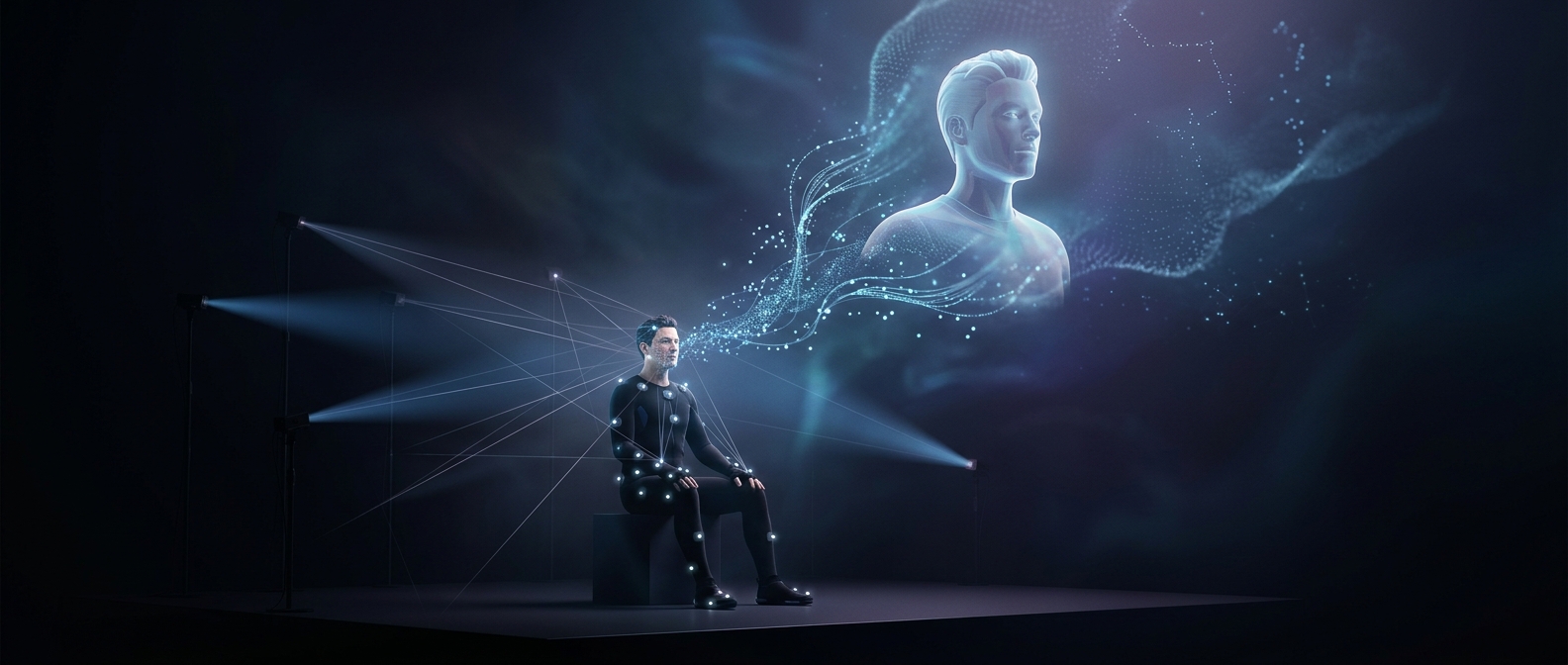
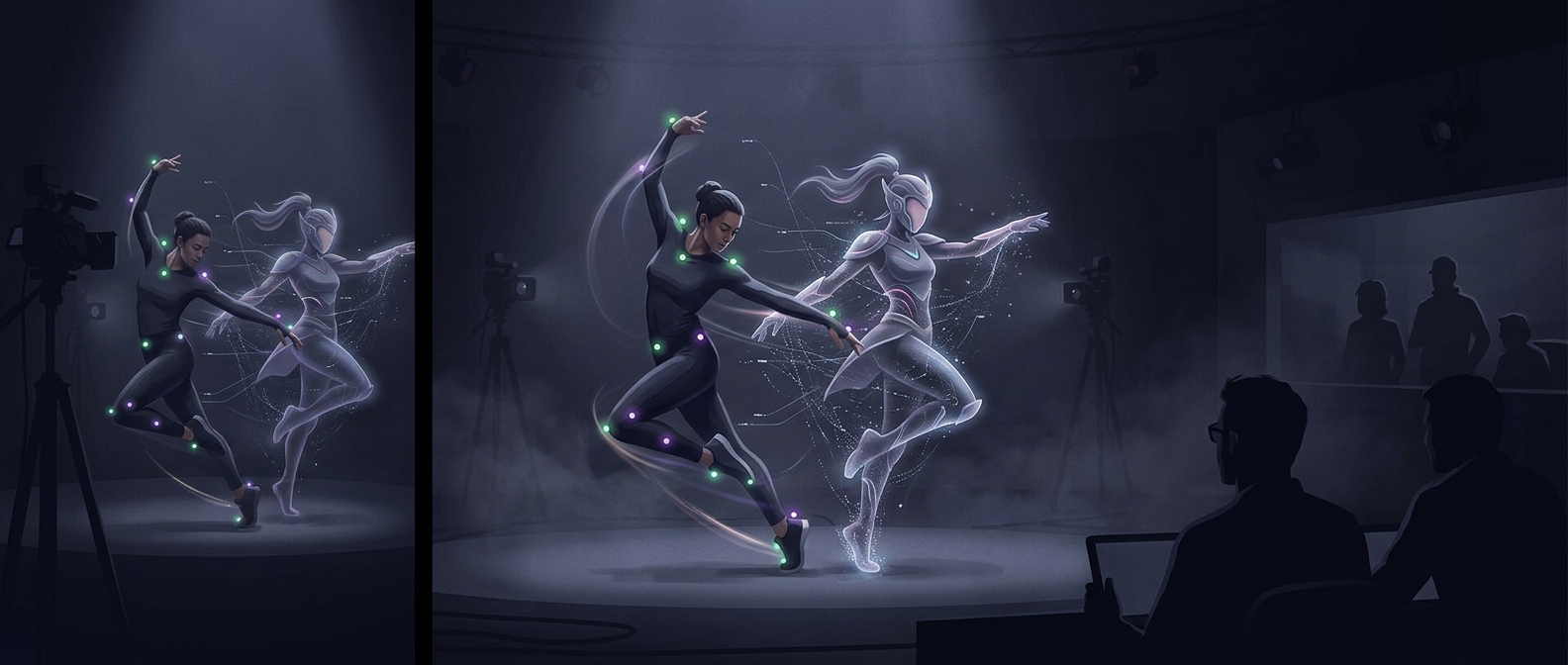
A choreographer gives an animation team more than a sequence of poses. They shape timing, weight shifts, and transitions—the details that make a dance feel deliberate rather than like a string of disconnected motions. A performer then acts out the routine in a motion-capture suit, while the studio records the performer’s movement as data.
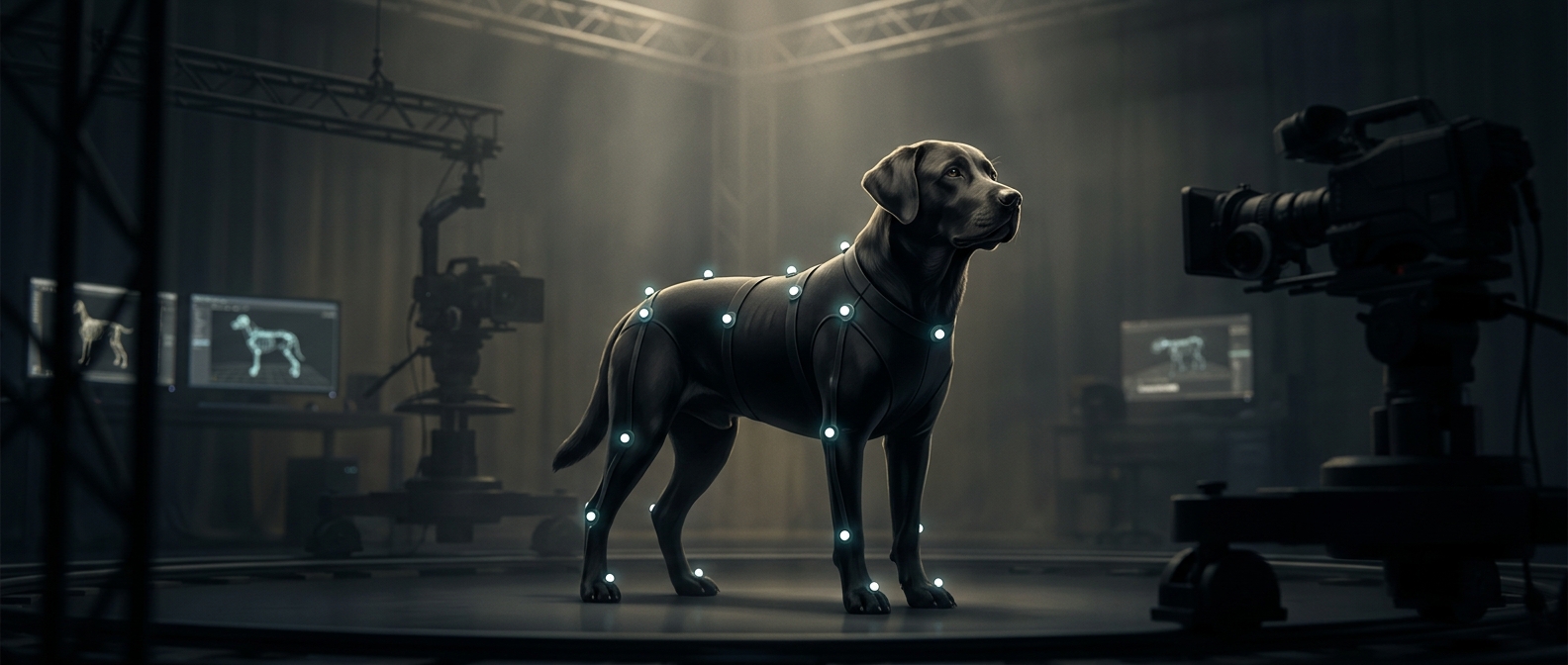
The suit is not a costume that becomes the character’s outfit. Its sensors or tracked markers help the system estimate how the performer’s body moves. Animators use that information to build a digital skeleton’s motion, then adjust it for the game’s characters. This step, often called retargeting, matters because a performer and a game character may have very different proportions. A move that looks natural on a human can make a short, broad, or unusually shaped character’s limbs cross or stretch awkwardly.
Why a Dance Must Be Designed for Play
The recorded performance is a starting point, not a finished emote. Developers may smooth transitions, correct foot sliding, or alter a gesture so it reads clearly from the game’s camera distance. They also have to make the animation work within the game’s technical limits and alongside its controls and other characters.
An emote is often viewed briefly and amid visual clutter, so a strong silhouette and a recognizable beat can matter more than tiny details. A taunt, for example, needs to communicate its attitude quickly without becoming hard to distinguish from other movements. If players can repeat it, the ending must also connect cleanly to the beginning or settle into a pose that can be held.
That is why a choreographer’s choices affect more than how stylish a routine looks. They help determine whether the movement remains legible, repeatable, and expressive after it has been translated from a human performance into an animation players can trigger on demand.