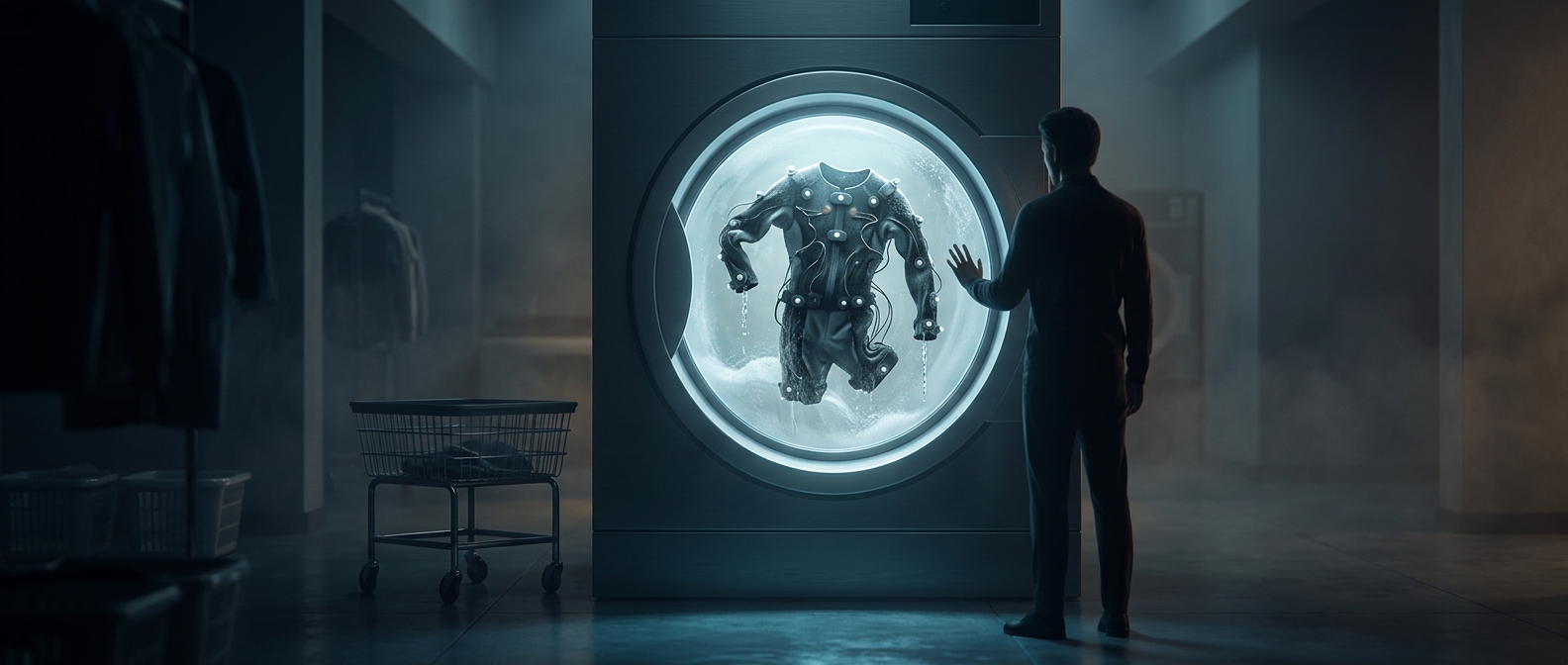
Why a motion-capture suit has to fit consistently
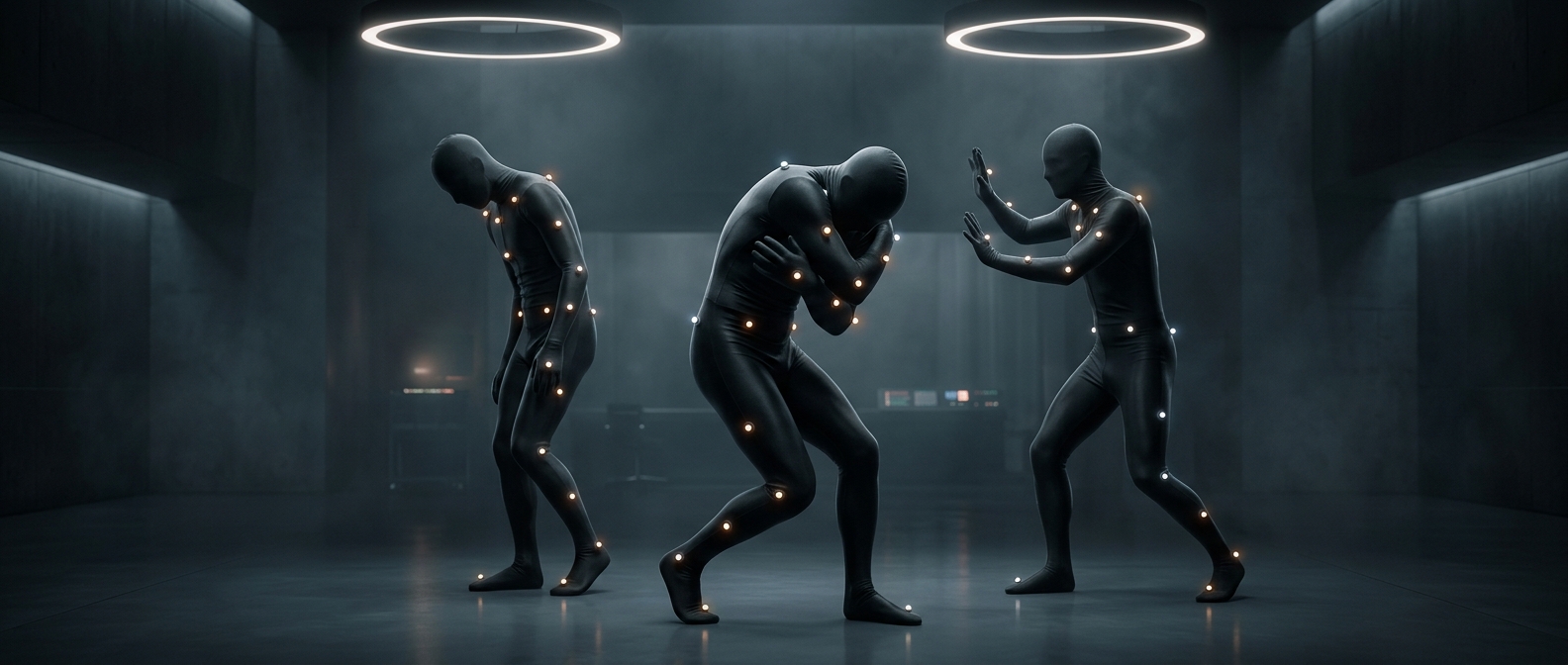
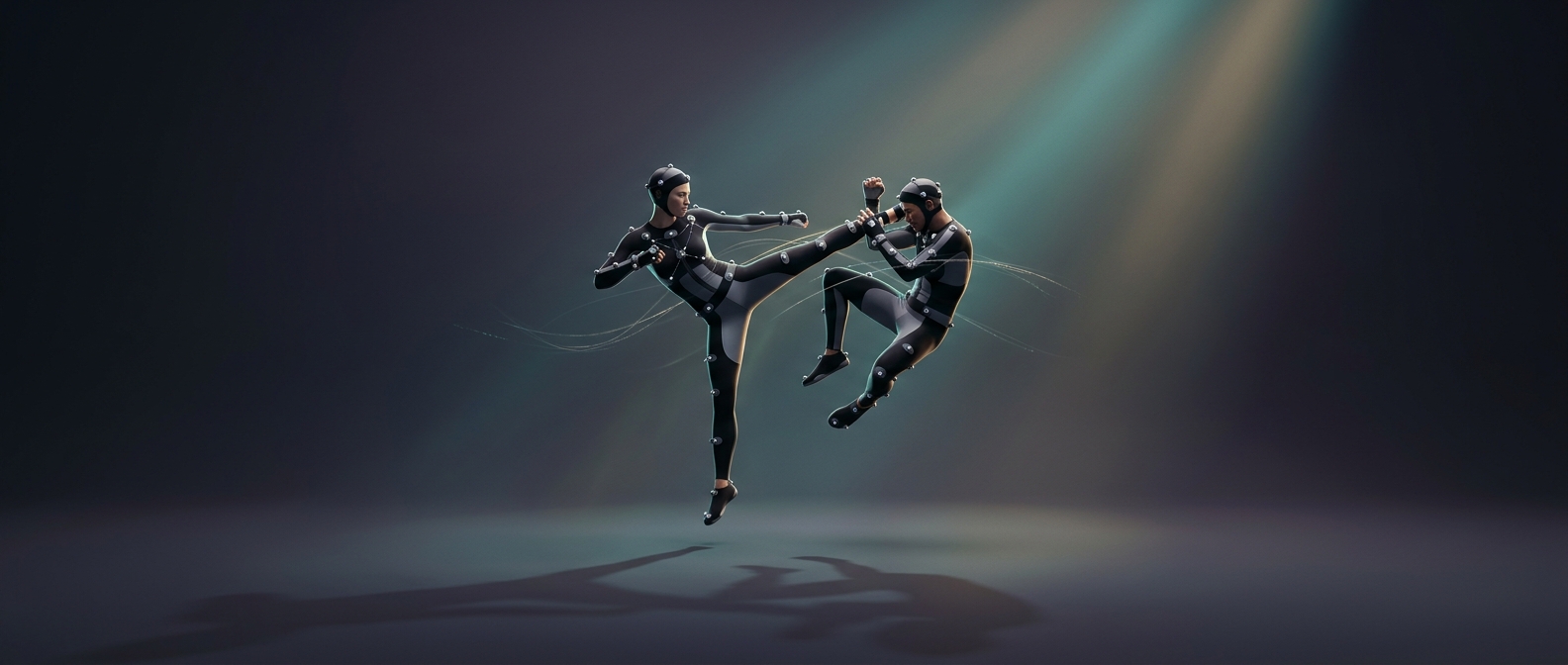
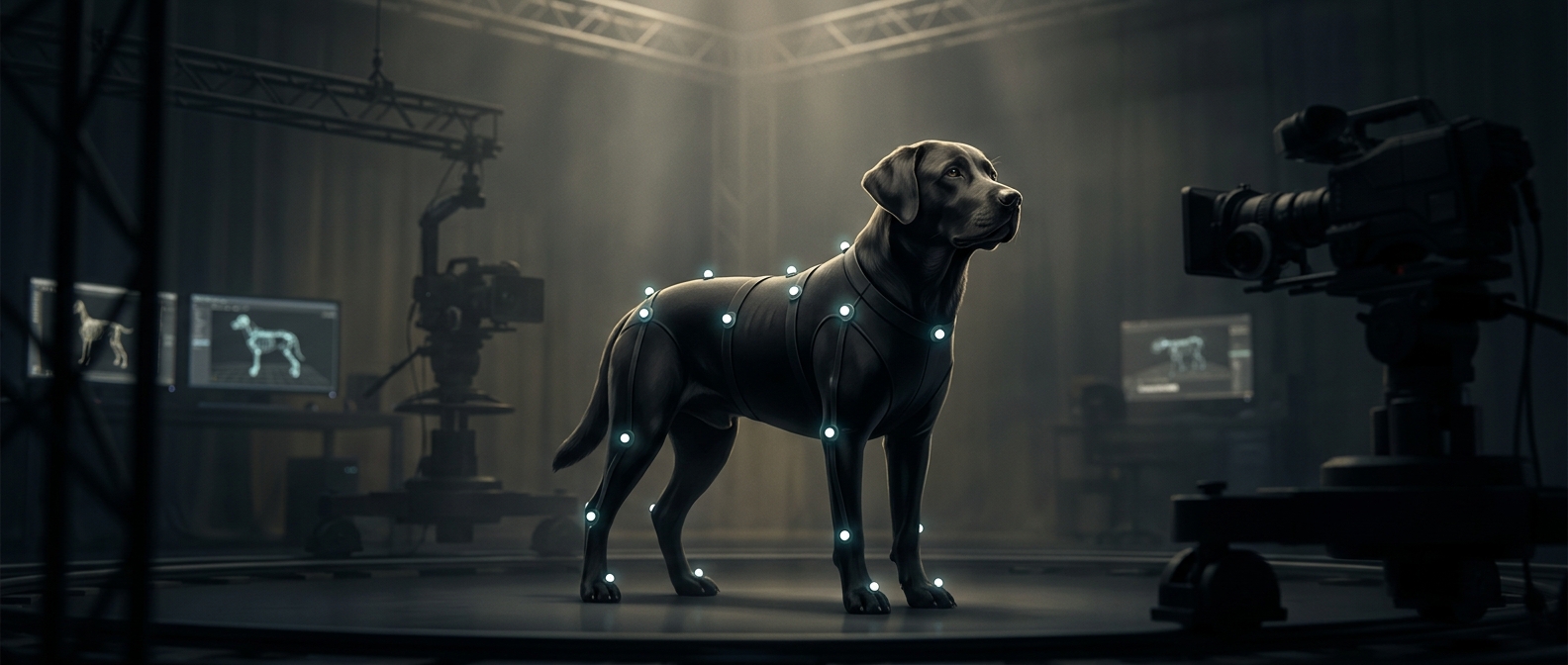
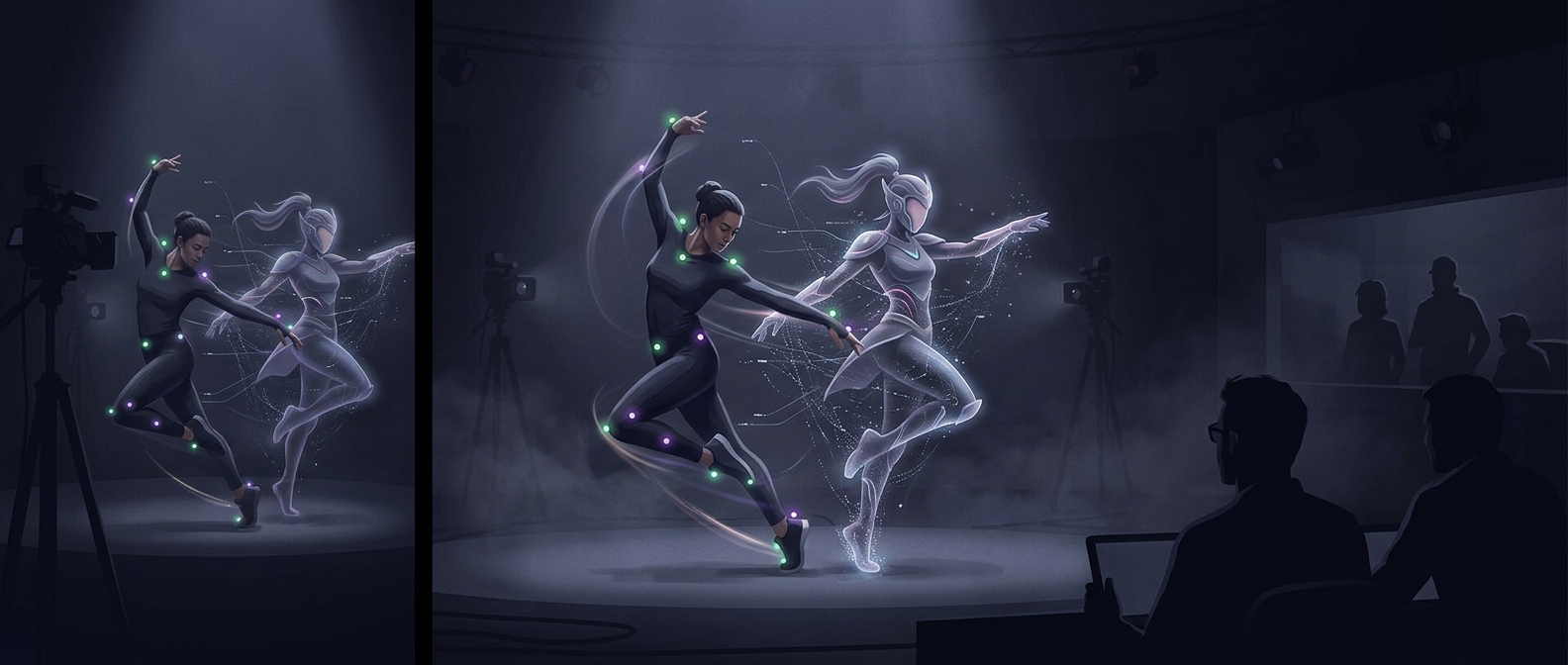
A motion-capture suit is more than costume: it carries tracking points or sensors whose positions help a computer reconstruct an actor’s movement. In optical capture, cameras follow markers on the suit; in other systems, small sensors measure motion directly. Either way, the software needs a dependable relationship between the suit and the performer’s body.
If the fabric shrinks, it can pull markers or sensors away from their intended positions. A sleeve that rides up or a torso panel that stretches tight may change how the tracking equipment sits as the actor moves. The result can be less reliable movement data—or a suit the performer cannot comfortably use.
A laundry mistake can become a studio problem
Studios often need a suit to fit the same way from one session to the next. If it changes after washing, the crew may have to adjust its tracking setup, check the fit, or use another suit before recording can continue. A garment that looks merely snug can therefore cost time when the actor needs freedom of movement and the capture team needs stable tracking points.
The risk depends on the suit’s materials and construction, so there is no single safe wash setting for every design. Following the manufacturer’s care instructions matters: the suit’s fit is part of the capture equipment, not just wardrobe.