Why a restroom break can interrupt a motion-capture scene
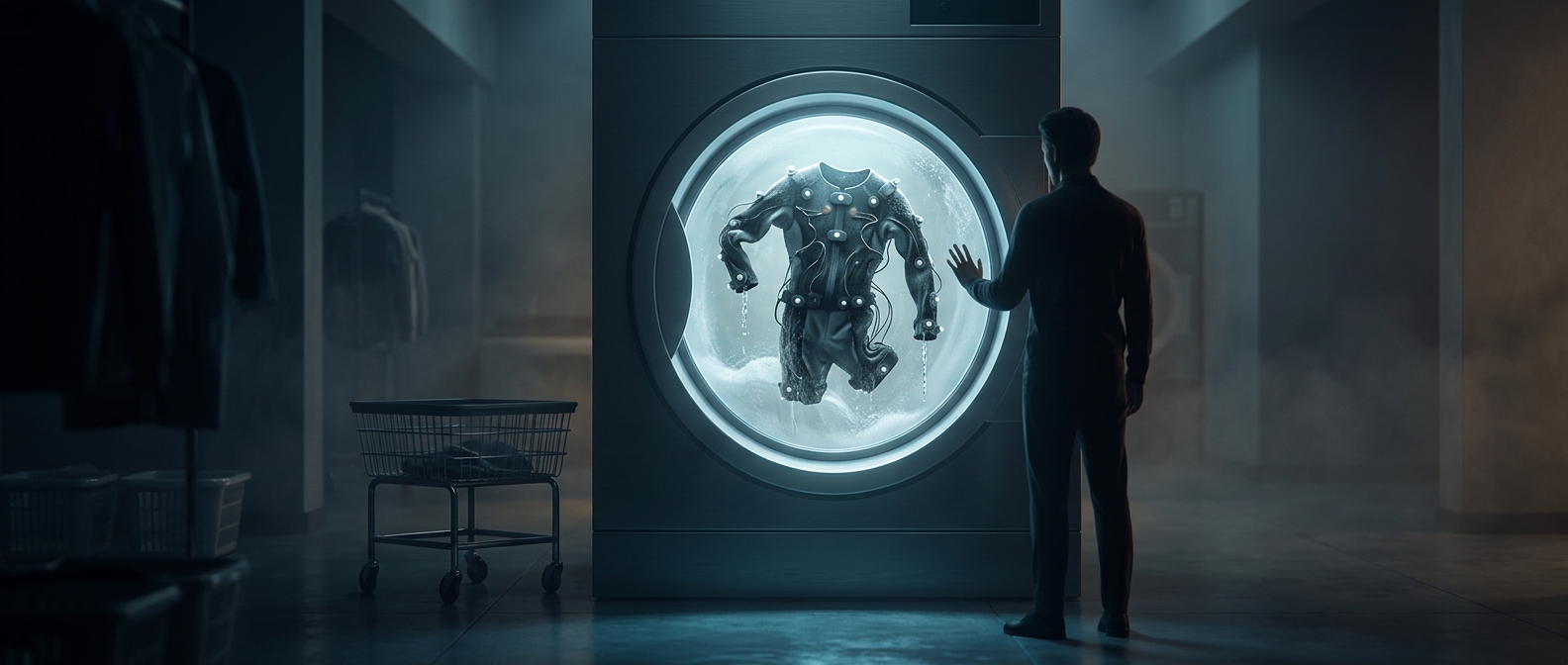
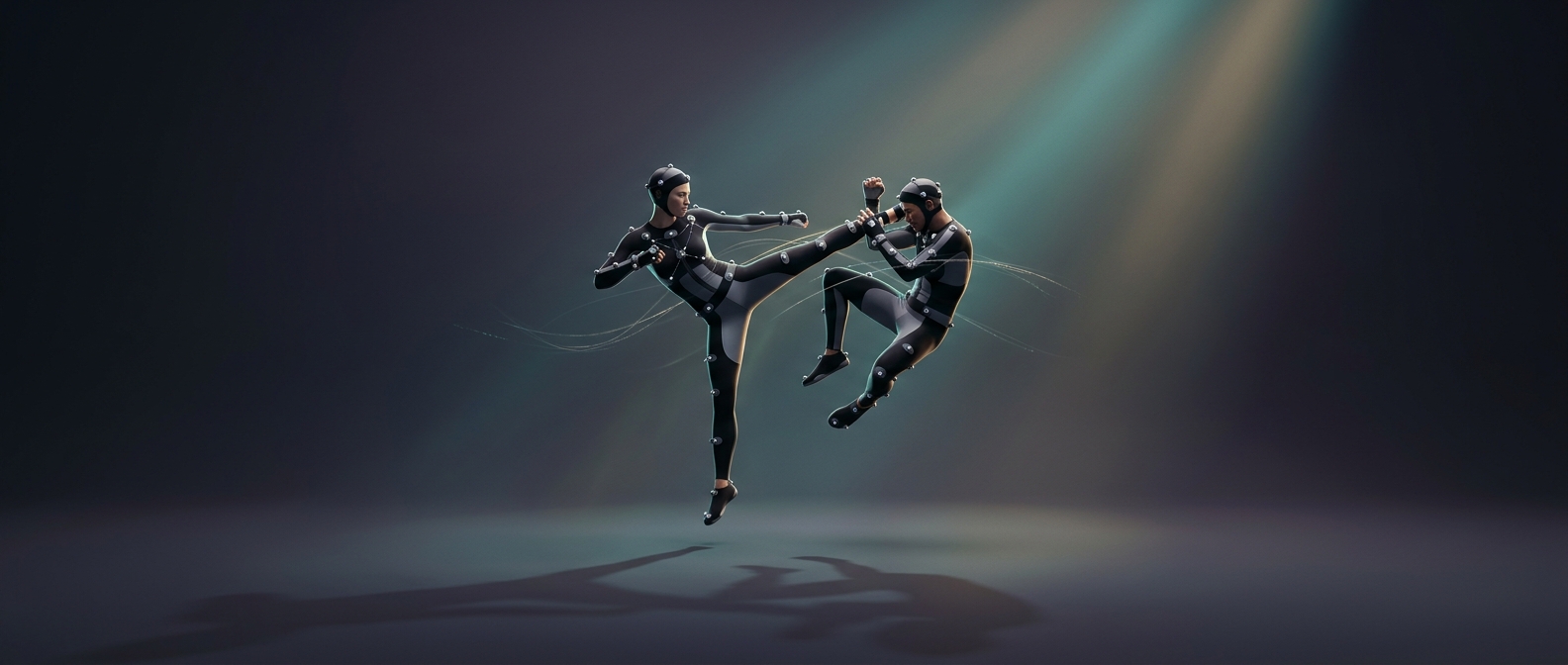
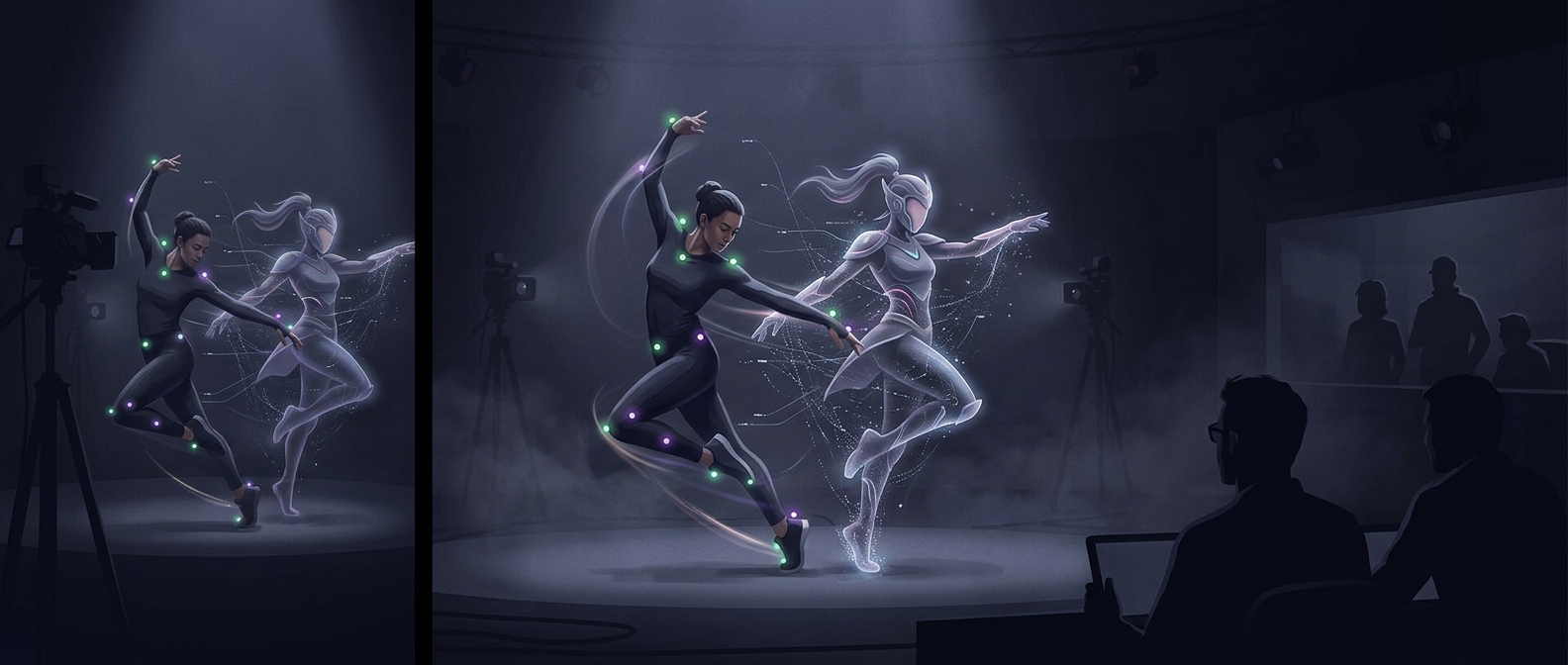
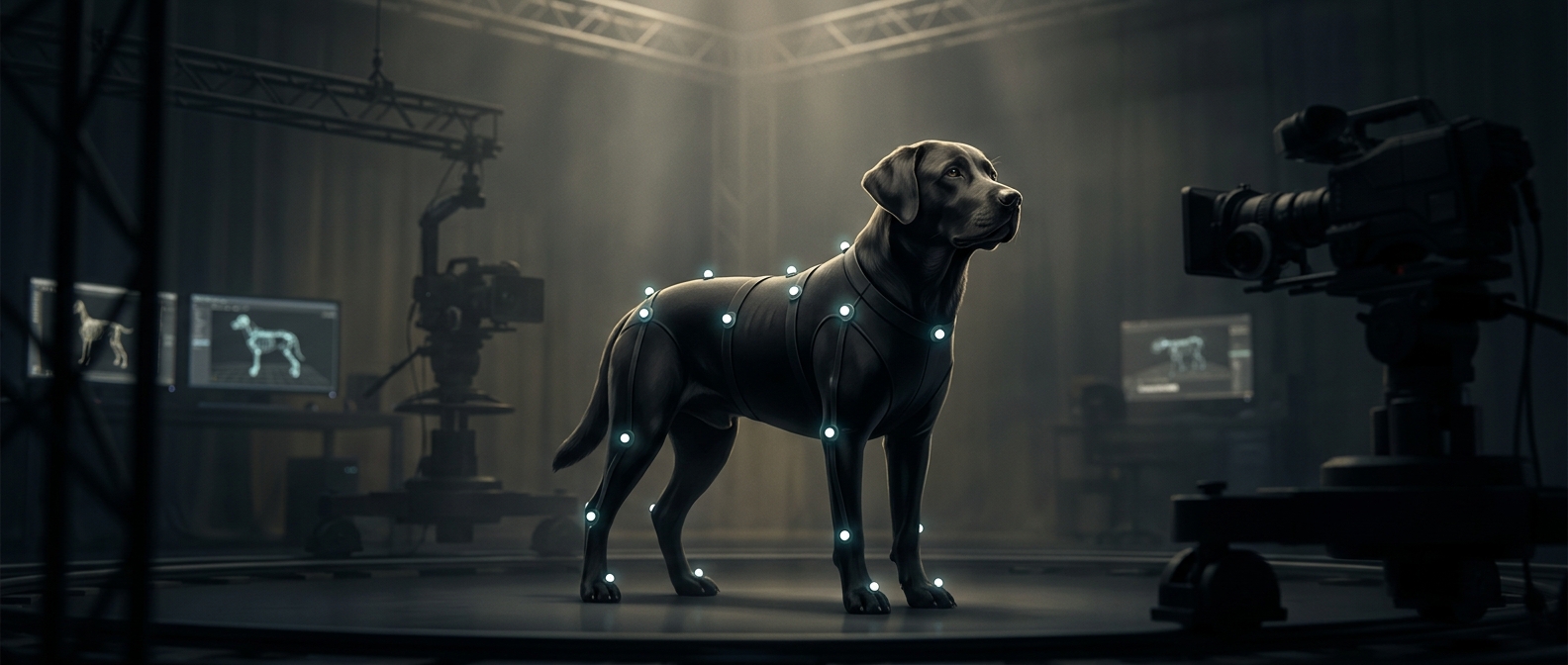
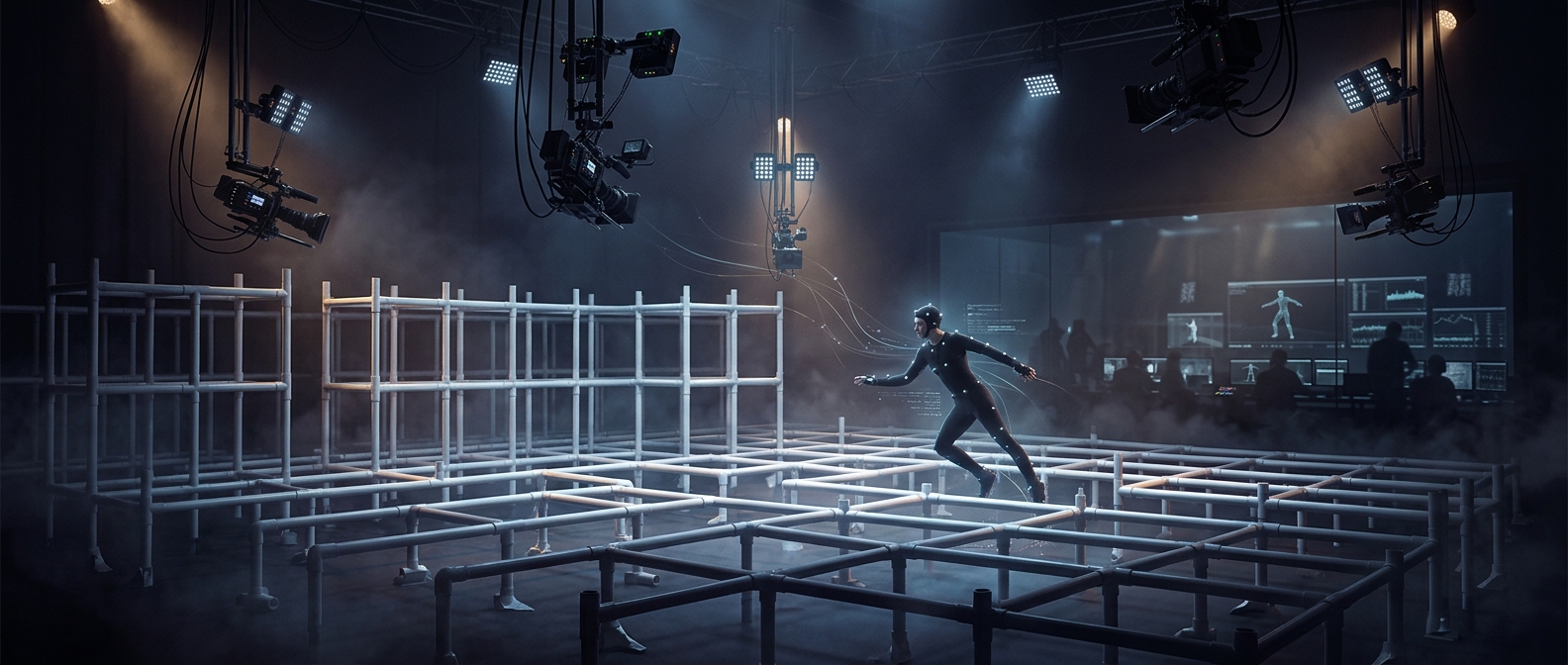
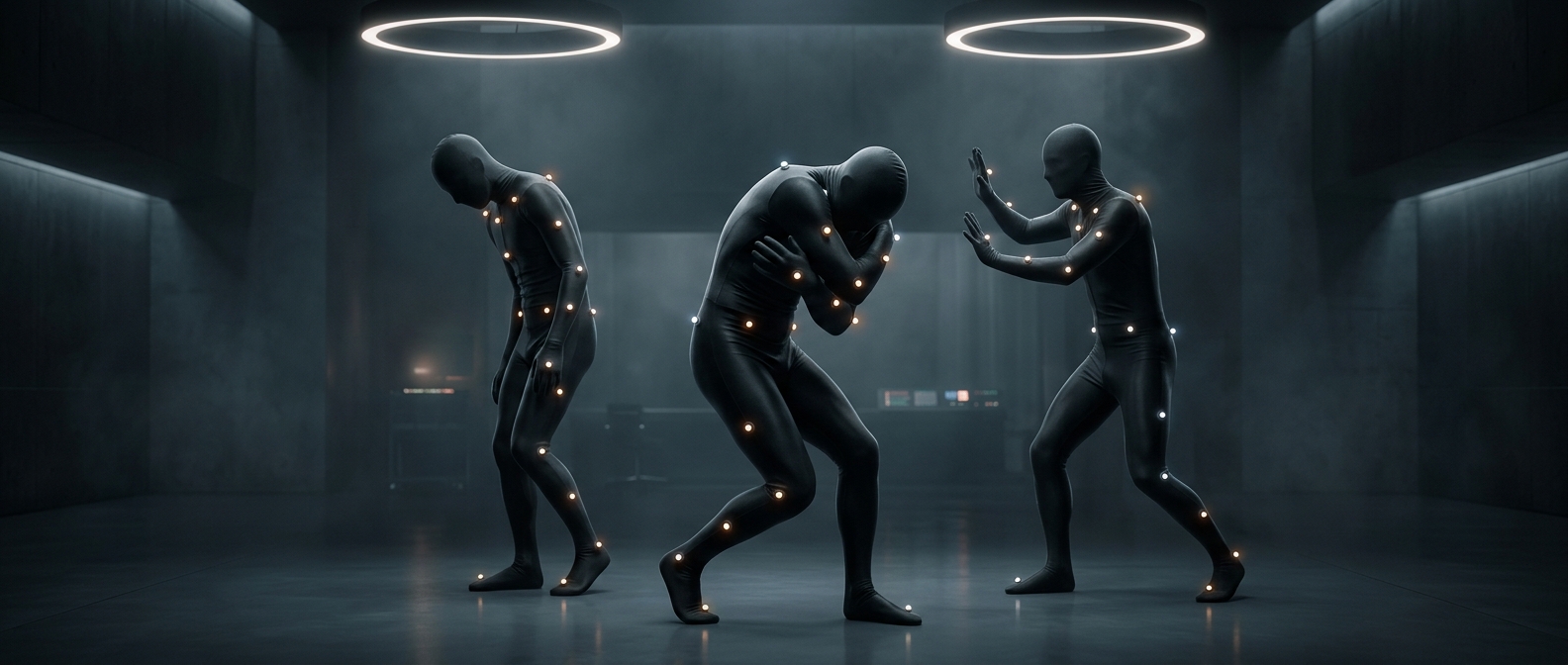
A motion-capture performance has to be recorded in a form computers can interpret. In optical motion capture, cameras track reflective markers attached to a performer’s body; software uses their changing positions to reconstruct movement. The markers are not decoration: if one shifts or disappears beneath clothing, the recorded motion may become harder to interpret or require correction later.
That makes a quick change less simple than stepping out of costume. A performer may need help preserving the suit’s fit and marker placement, while cables or other equipment have to be managed. When several actors are dressed and ready together, one person’s break can mean stopping the group and then checking that everyone’s setup is still usable.
The cost of stopping is more than lost minutes
A scene is often captured as a coordinated performance: actors move and react together, and the recording needs to preserve how their actions line up. If the session pauses, the crew may have to reset positions, equipment, or the scene’s timing before continuing. That does not make a break impossible; it makes it a production decision rather than an effortless interruption.
So performers may plan around the inconvenience and wait until a natural pause. The memorable part is that a digital character’s fluid movement can depend on very physical details backstage: a marker staying in place, a cable being clear, and a whole group being ready to resume.