Why a translated line can outlast a character’s mouth movement
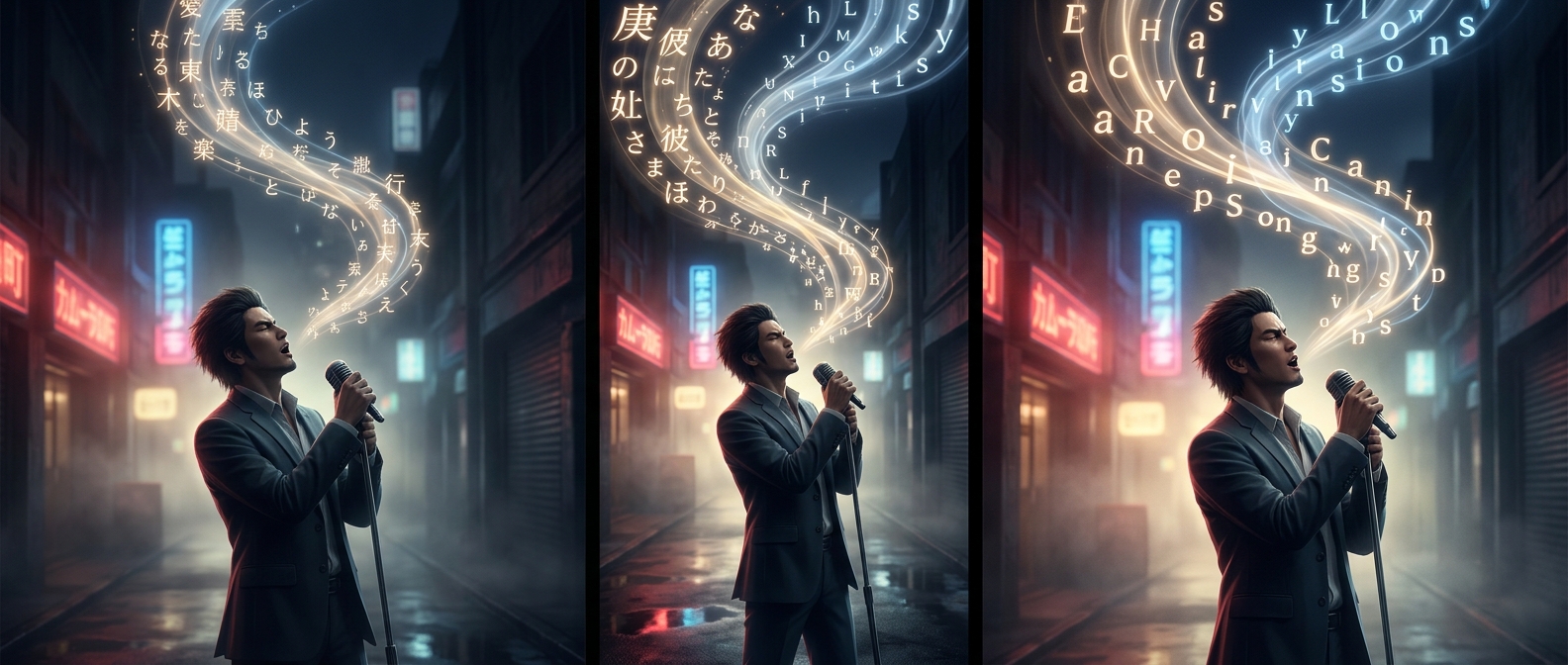
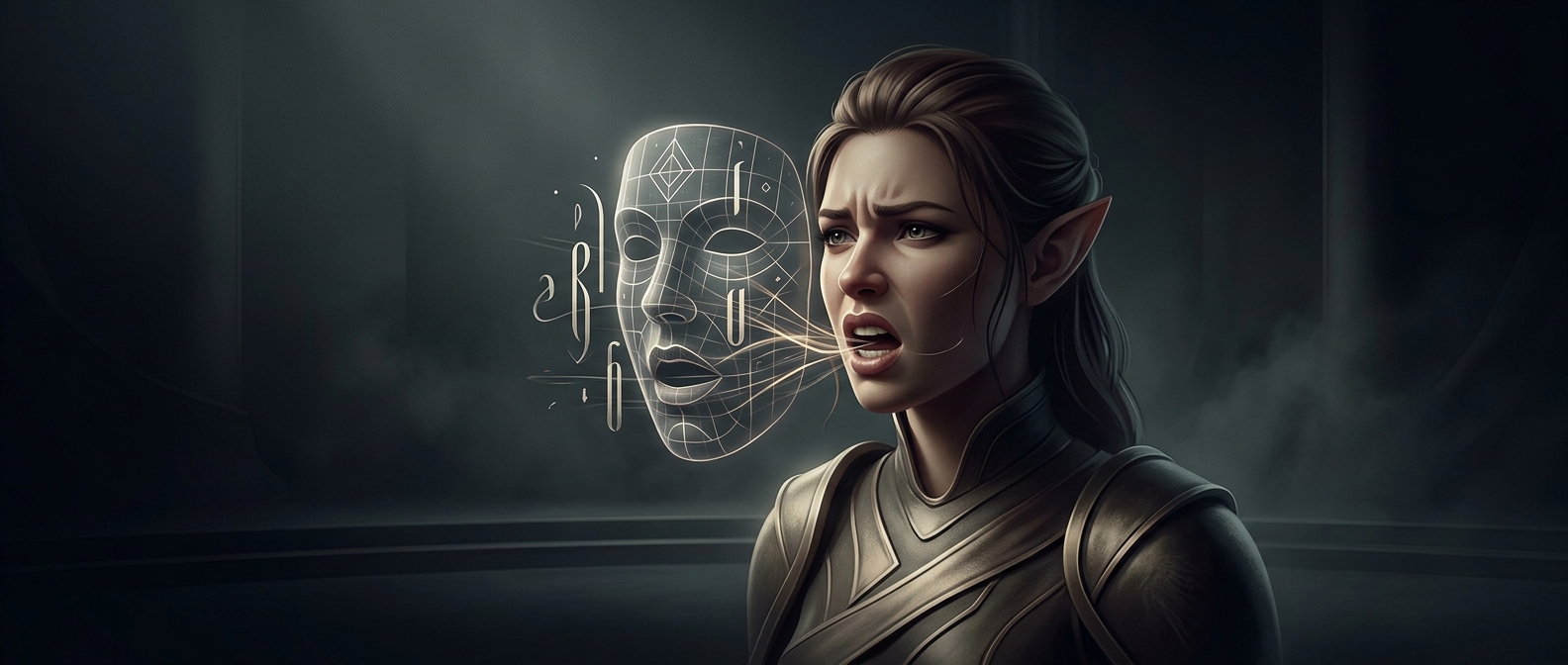
A character’s mouth animation is usually timed to a particular spoken performance. The game may use hand-keyed movements, a recorded facial performance, or animation generated from the original voice track. In each case, the mouth shapes and pauses are built around the sounds and timing of that version of the dialogue.
A translated line has to carry the same meaning, but it may use different sounds and take a different amount of time to say. German phrasing can run longer than the English line it replaces. If the game keeps the original animation unchanged, the voice and the character’s mouth fall out of step: the audio continues after the animation has finished.
Localization is also an animation problem
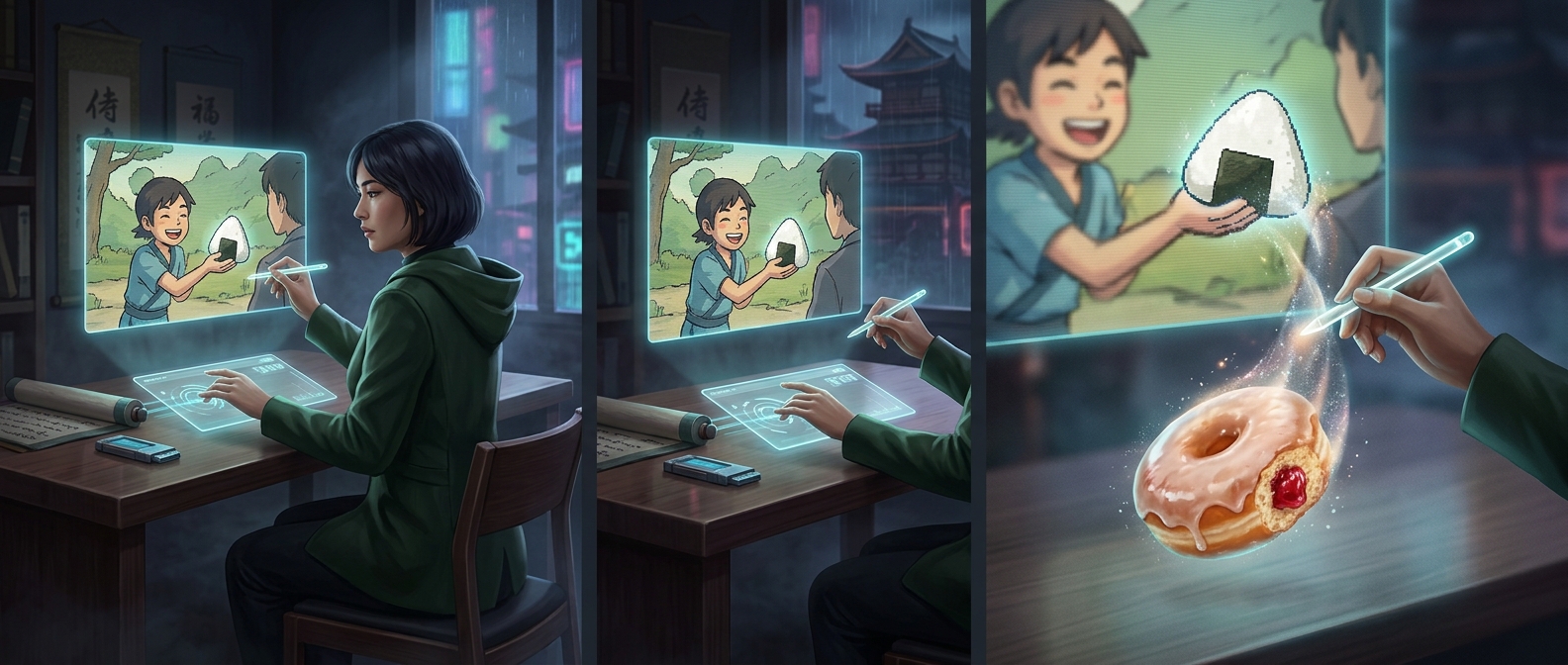
Teams can address the mismatch in several ways. They can rewrite a line to fit the available time, adjust the delivery, or create new mouth movements for the localized recording. Each option has limits. A shorter line may lose nuance, while redoing animation takes extra work—especially when a scene includes several characters, camera cuts, or detailed facial acting.
Some games generate lip movement from speech sounds, allowing the animation to follow a new recording more directly. But that approach still has to produce convincing expressions, not merely moving lips, and it may not be available for every character or scene. When the original animation is fixed, a localization team may have little room to make the translation fit perfectly.
The result is a visible reminder that dialogue in a game is not just text swapped between languages. A line is also a timed performance, and changing its language can mean changing the animation that was built to accompany it.