Why a Nearly Real Face Can Feel Wrong
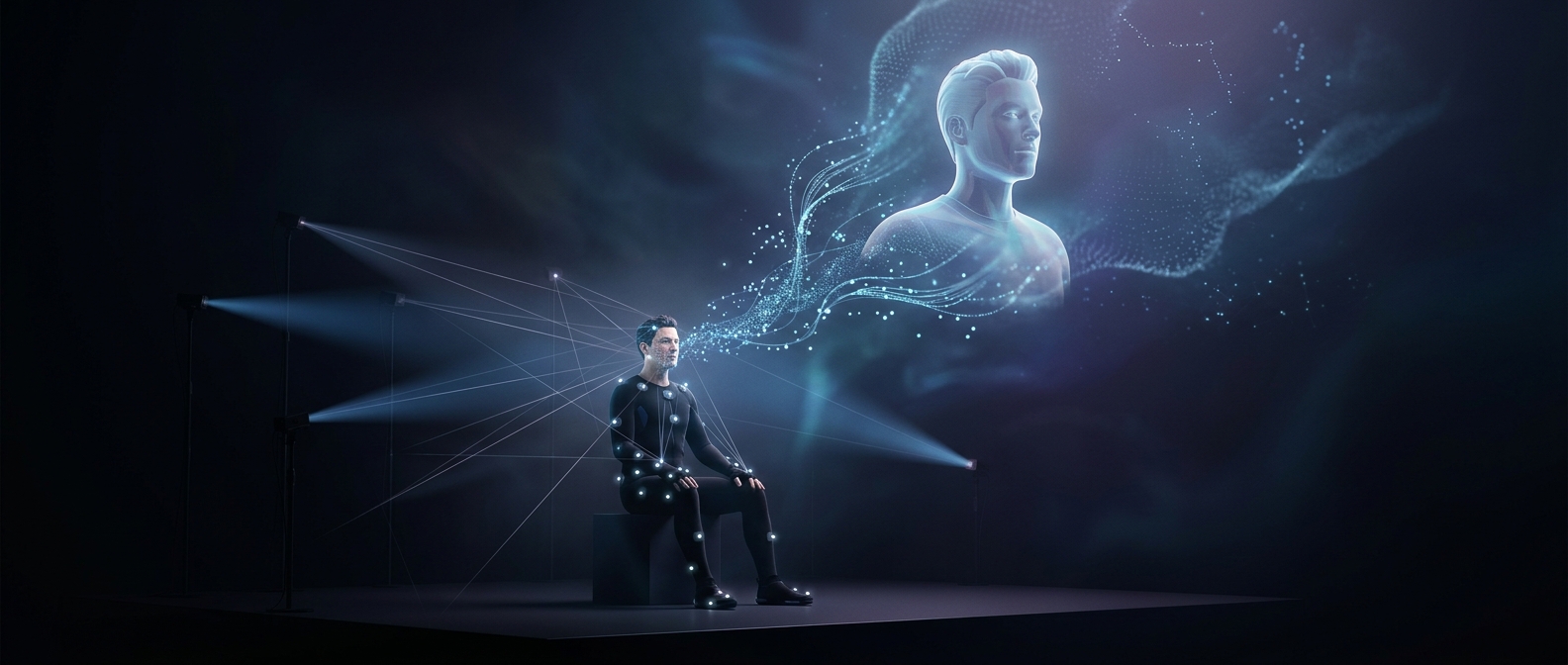
A game character’s face is read as a coordinated set of signals, not a collection of separate parts. A smile involves more than raised mouth corners: the cheeks lift, the eyes may narrow, and the expression changes over time. If the teeth look too uniform, the mouth moves oddly, or the eyes do not seem to share the smile, the pieces can contradict one another. The result may feel less like a person than a mask trying to imitate one.
This reaction is often called the uncanny valley: as a digital figure becomes more humanlike, small mismatches can make it feel unusually unsettling. It is not a precise threshold, and people do not all respond identically. But the closer a face gets to realistic, the more its tiny details invite comparison with real faces.
The Animation Tradeoff
That creates a practical design problem. A highly realistic character asks players to notice subtle cues—where the eyes look, how quickly an expression appears, whether the mouth shapes fit the spoken words. A flaw that would pass unnoticed on a stylized character can stand out when skin, teeth, and facial proportions aim for realism.
Developers can address the mismatch by refining the whole performance rather than polishing one feature in isolation: the gaze, mouth, cheeks, and timing need to support the same emotion. Or they can choose a more stylized look, where exaggeration makes the character’s visual rules clearer and reduces expectations of photographic realism. In a close-up conversation, a convincing smile depends less on perfect teeth than on whether the entire face seems to smile together.