How a Foam Block Becomes a Dragon on a Motion-Capture Stage
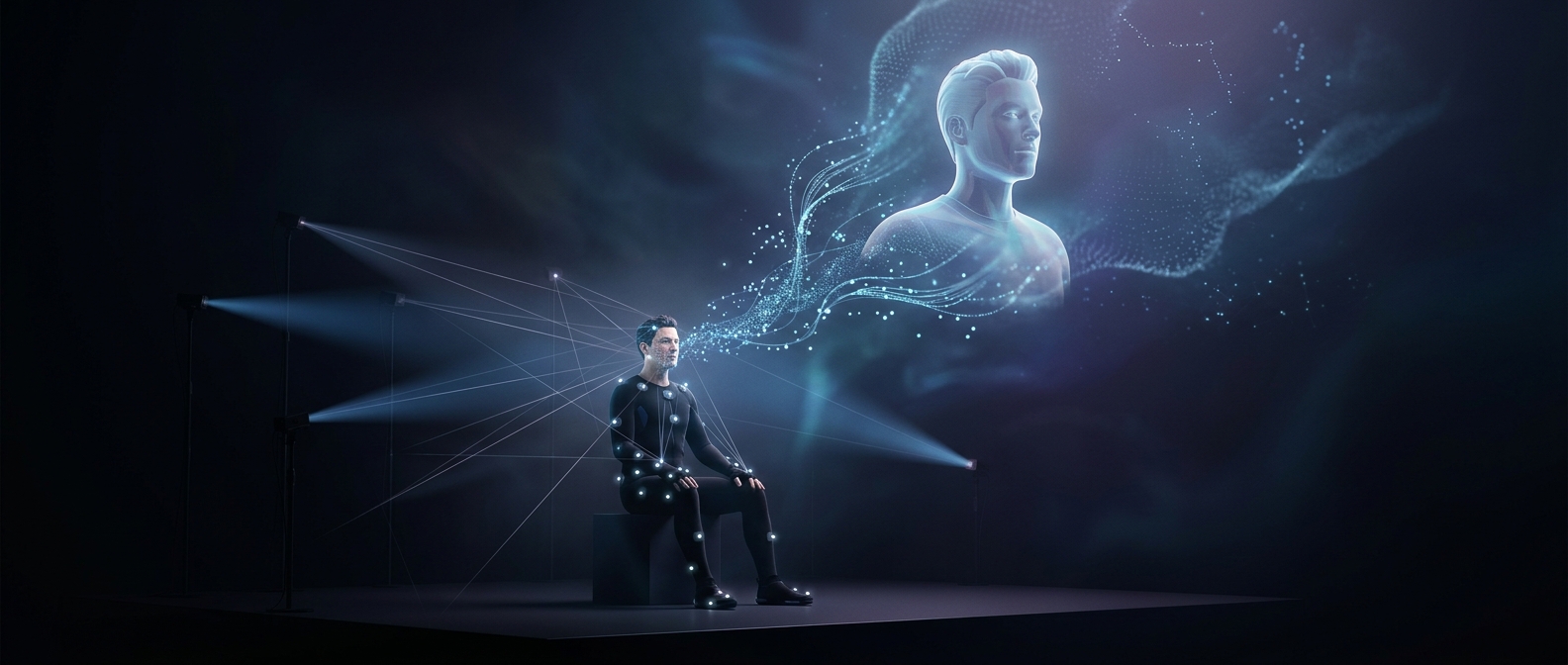
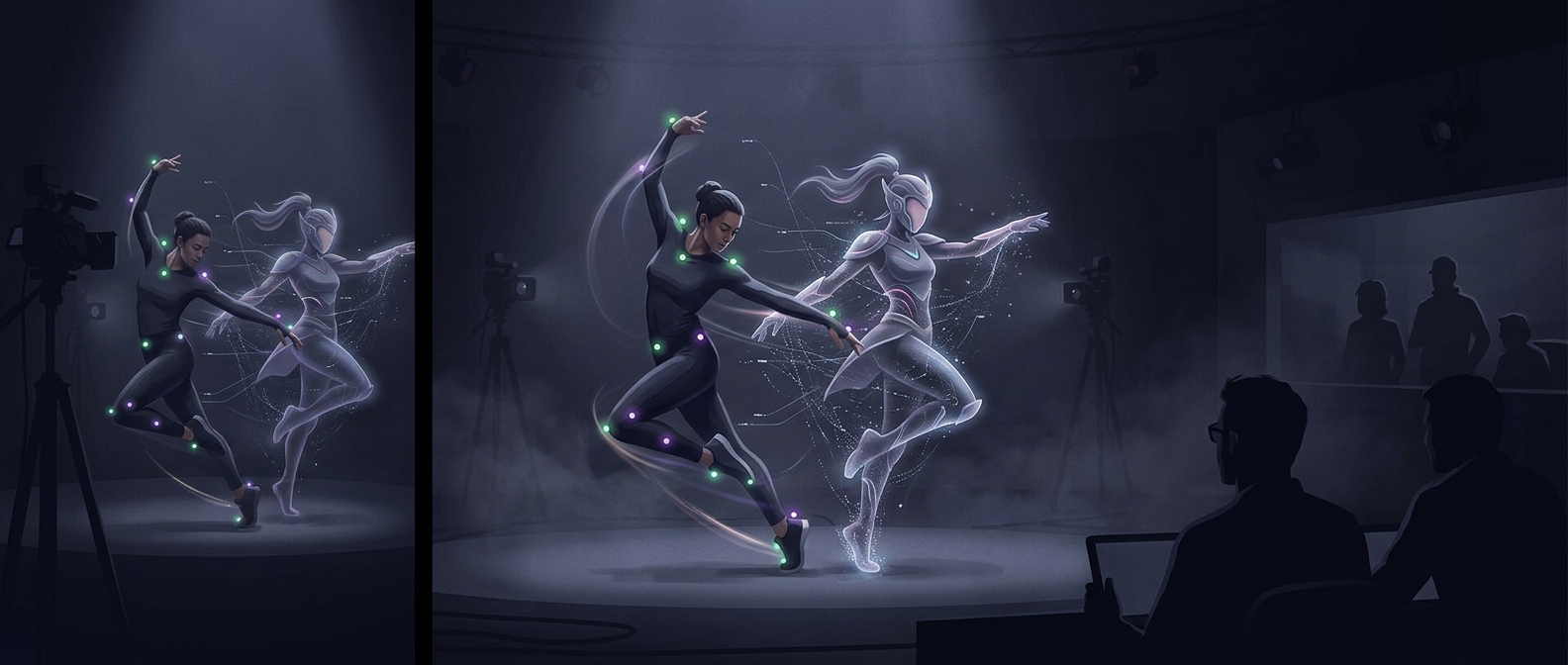
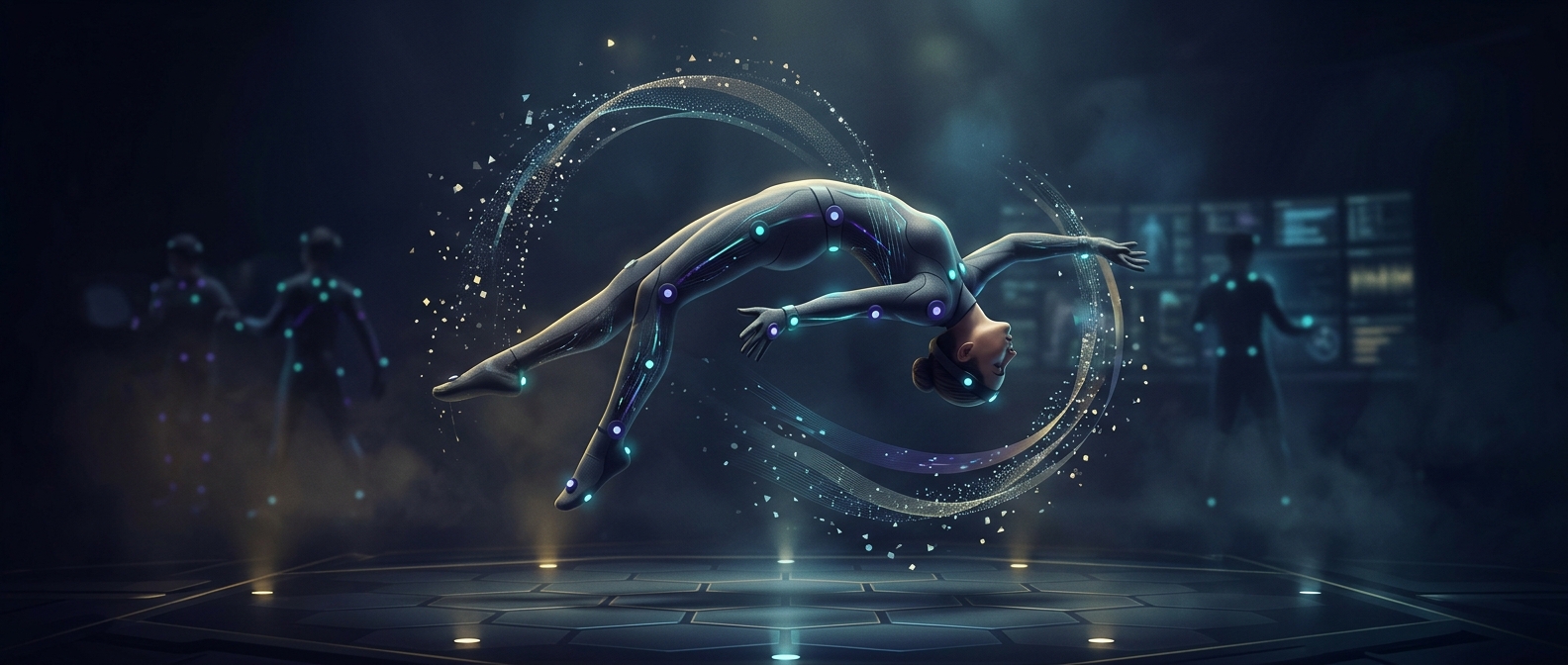
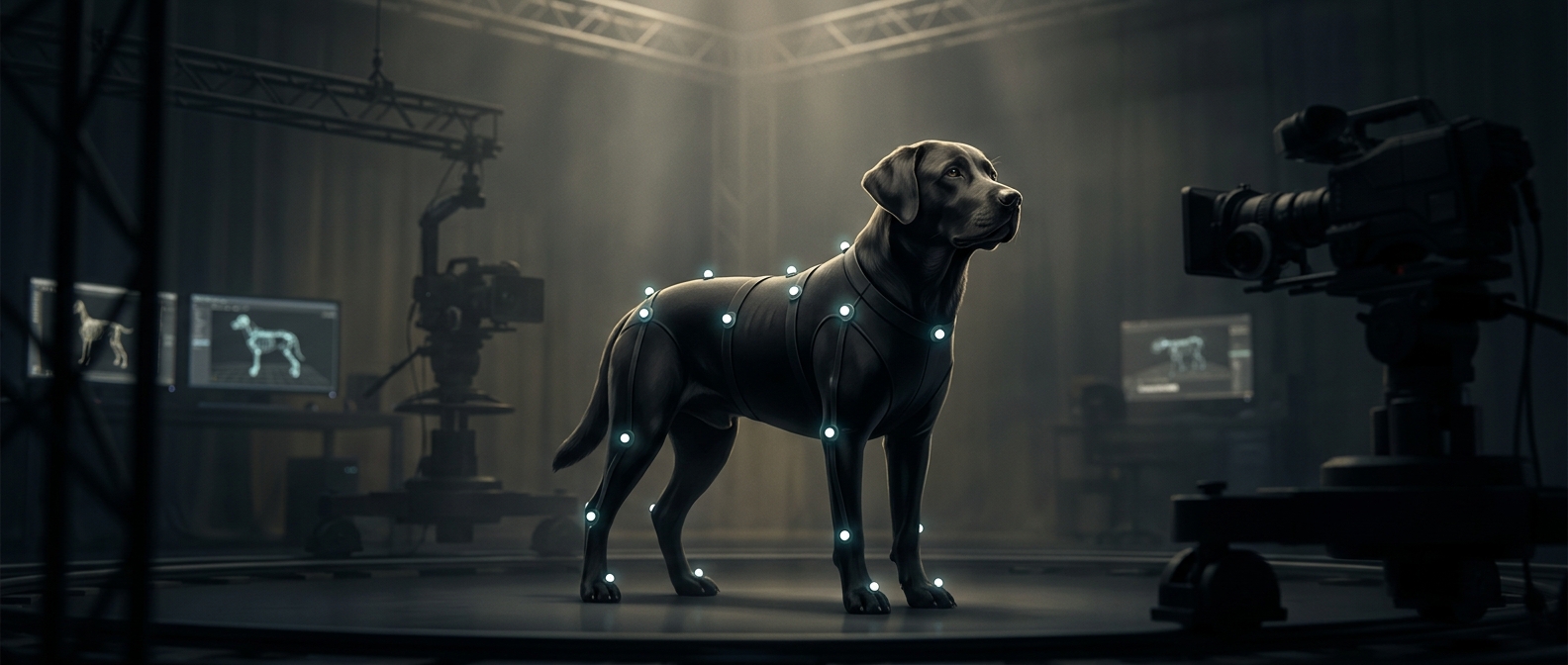
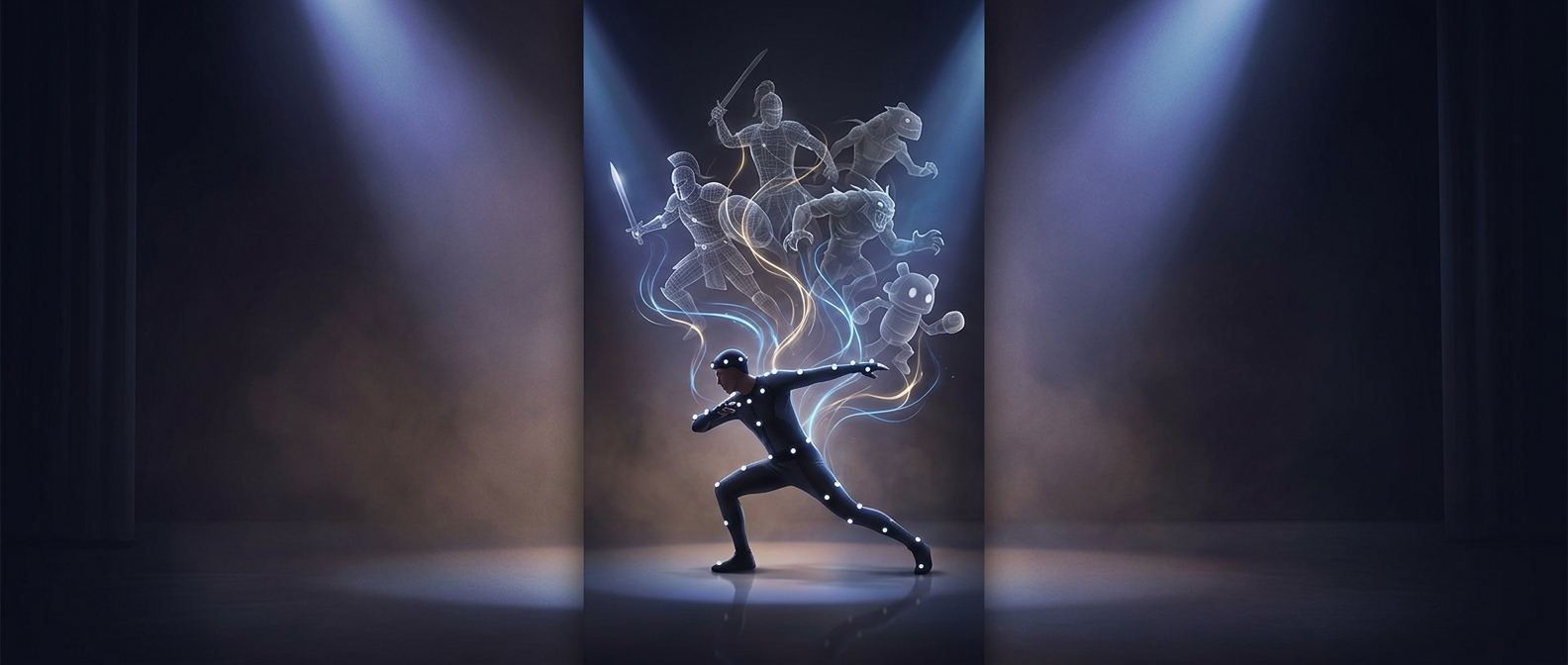
A motion-capture stage can look almost empty because its scenery is not what the cameras are there to record. Performers wear suits marked with tracking points, while cameras around the room follow those points as bodies move. The resulting data gives animators a record of the actors’ positions and gestures, which can later drive digital characters.
That leaves a practical challenge: the actor must react convincingly to things that are not yet visible. A foam block might stand in for a creature’s head, a wall, or a weapon. It gives the performer something to touch, push against, or look toward, even though the final object will be created later.
The Acting Has to Supply the Missing World
The substitute prop helps, but it cannot provide the creature’s weight, timing, or personality. Actors and directors establish those details through movement and imagination. If a character is meant to face a towering dragon, the performer needs a clear sense of where its head is, how far away it stands, and when it might strike. Otherwise, a glance or recoil can land in the wrong direction or at the wrong moment.
Directors may use verbal cues, rough stand-ins, or other performers to establish those imagined actions. The goal is not simply to record a body moving; it is to capture a performance that will make sense once digital surroundings are added.
Why Capture the Performance This Way?
Because the stage has little finished scenery, actors can perform scenes that would be expensive, dangerous, or impossible to build physically. The tradeoff is that much of the scene’s context must be supplied in advance and completed afterward. Animators and other artists use the recorded movement as a foundation, then create the creature, setting, and visual details around it.
The foam block is therefore more than a joke prop: it is a simple physical anchor between an actor’s imagined encounter and the digital world the audience will eventually see.