How L.A. Noire turned a performance into a face
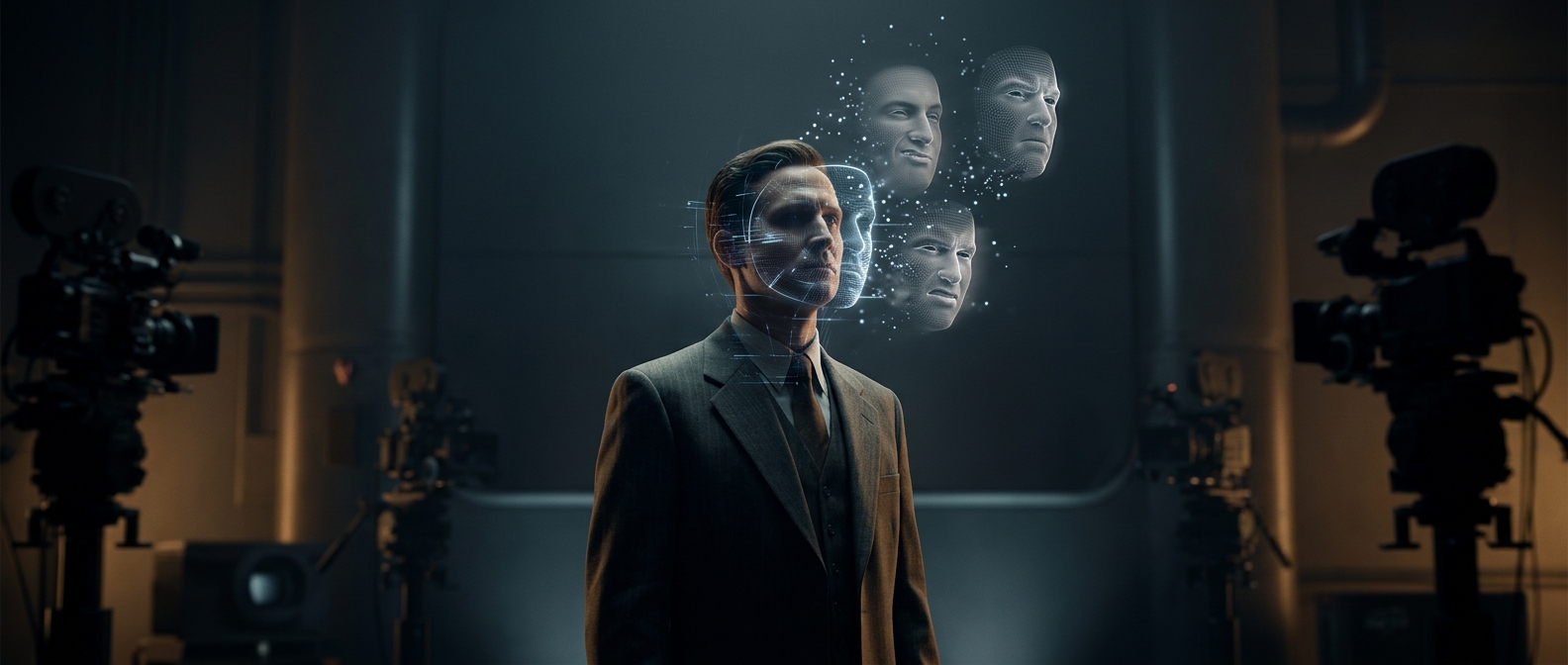
A human face is difficult to animate convincingly because its meaning often rests on tiny changes: a tightened mouth, a brief glance, or a crease that appears and vanishes. L.A. Noire’s MotionScan system was designed to preserve those details. Instead of asking animators to build every expression by hand, it recorded actors’ faces from many camera angles at once, giving developers a dense record of how the face changed during a performance.
From cameras to a game character
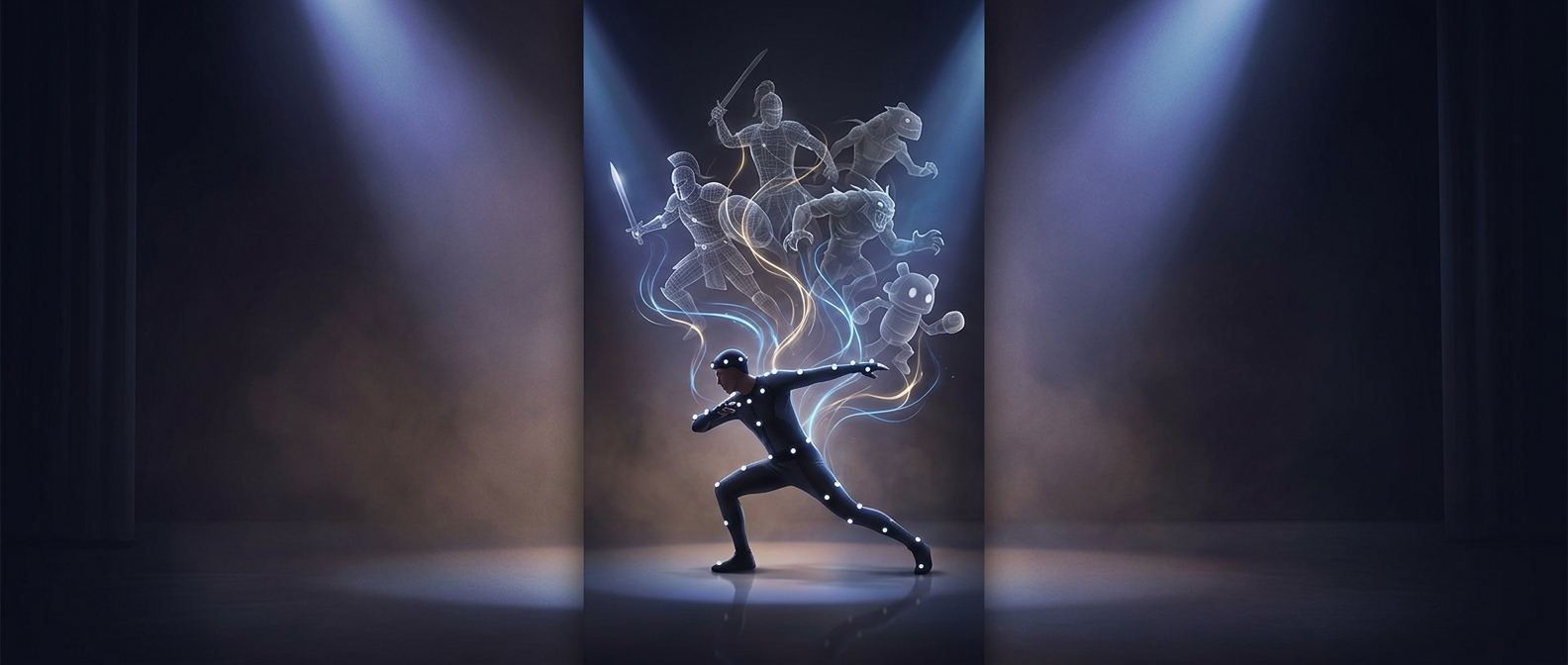
The recordings were processed into facial movement that could drive a digital character. In effect, the actor supplied the timing and shape of an expression; the game team fitted that performance to a 3D model. That made a spoken line feel less like a sequence of preset expressions and more like something happening moment by moment. It also gave the interrogation scenes a distinctive purpose: players could study a suspect’s face for signs that a statement might not be sincere.
The capture method had a tradeoff. It focused on the face, while the body was animated through a separate process. A character could therefore deliver a remarkably nuanced expression while moving less naturally from the neck down. The contrast came from two different animation problems being solved with different tools. MotionScan made the face unusually revealing—and made any stiffness elsewhere in the performance easier to notice.