A mirror can mean rendering the room twice
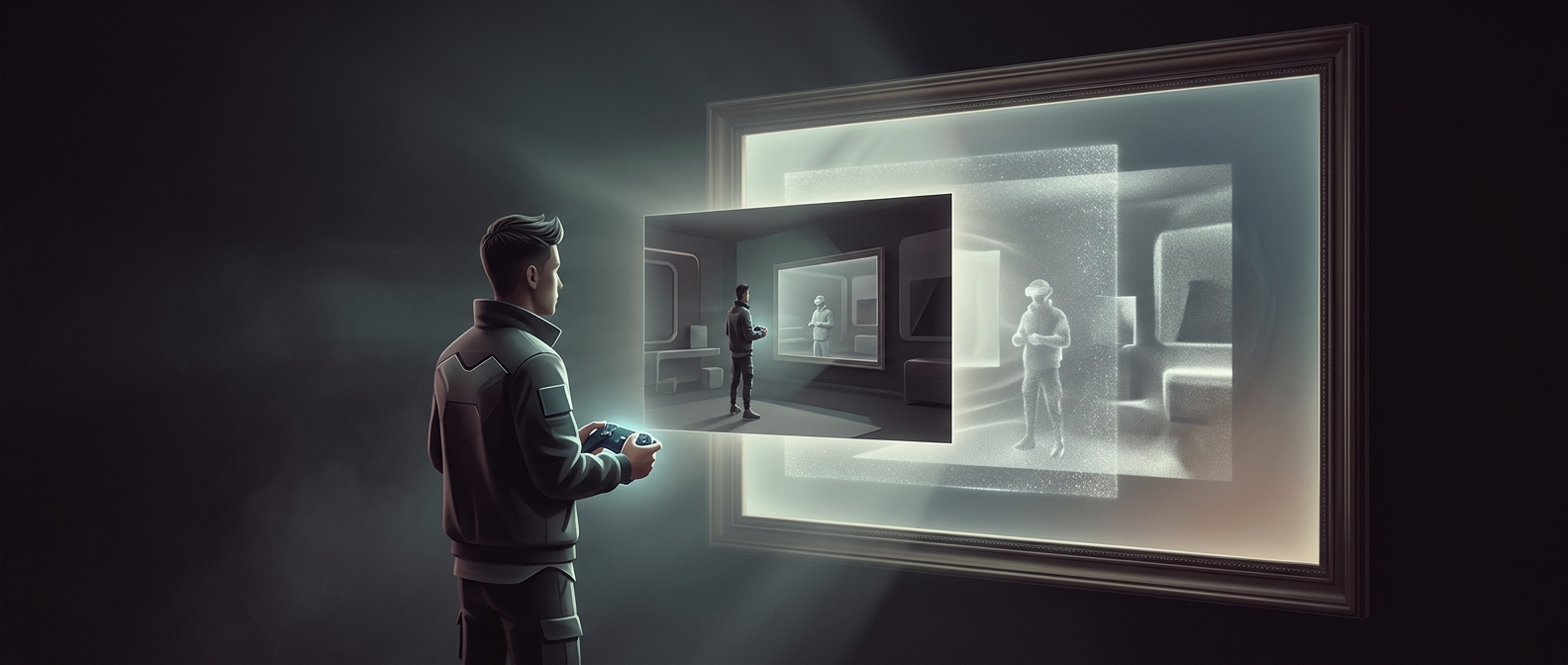
A convincing mirror is not just a shiny surface. The game must show the scene from the mirror’s point of view, which is different from the player’s camera. One common technique uses a second virtual camera to create that view, then places the resulting image on the mirror. That adds work every frame—and the reflected scene may need its own lighting, shadows, and moving characters.
The problem gets harder when a reflected object contains another mirror. The second mirror should show a reflection of the first, which should show a reflection of the second, and so on. This recursive reflection can demand more and more rendering unless the game limits how many times it is calculated.
Why developers choose an empty or obscured surface
Games can save effort by drawing reflections only when needed, using a lower-detail version of the scene, or relying on screen-space effects that reflect only objects already visible to the main camera. Each shortcut has a tell: a reflection can disappear when something moves out of view, or fail to show details that a true mirror would reveal.
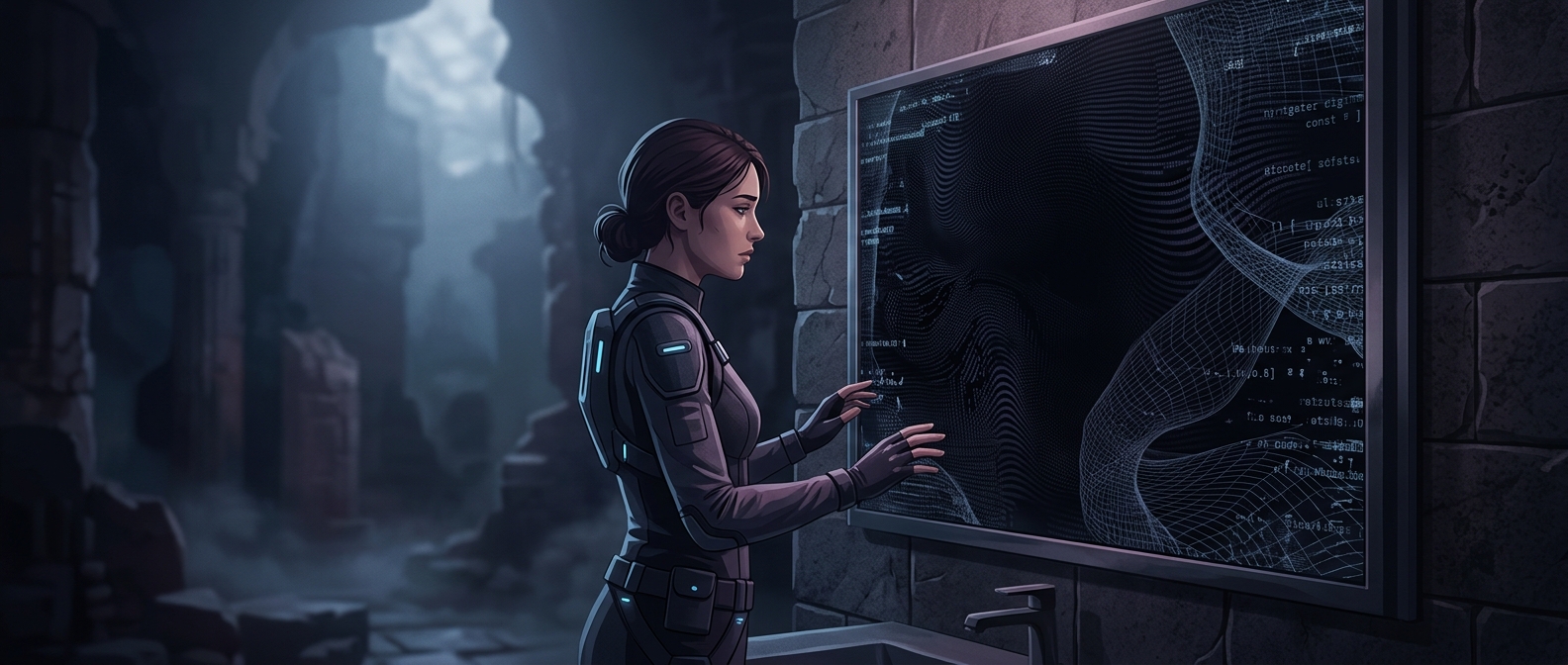
A dark, dirty, or fogged mirror is a practical art direction choice as well as a mood-setter. It reduces the expectation of a crisp image without requiring the game to simulate a perfect one. In a carefully staged room, that can be more convincing than a technically elaborate reflection that breaks as soon as the player turns around.