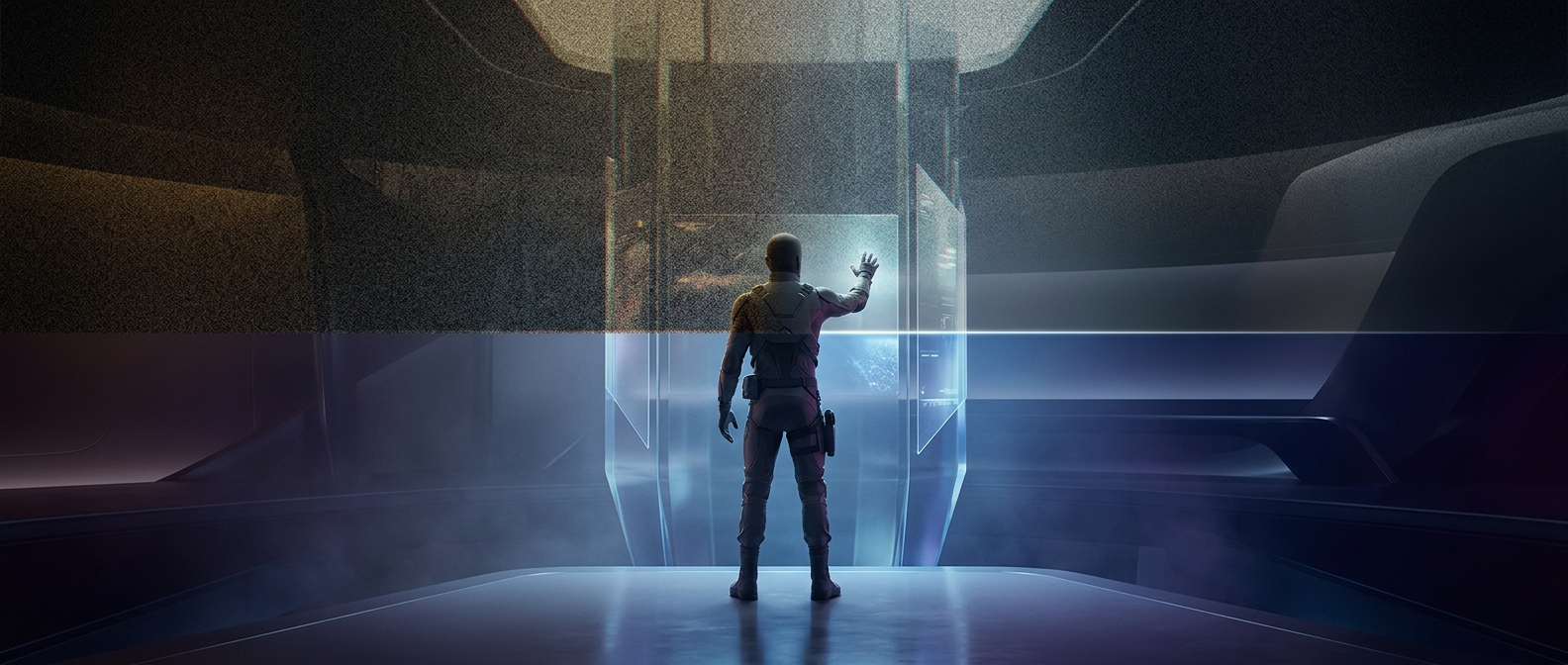
What the grain is doing
In a game, film grain is usually a post-processing effect: after the scene has been rendered, the game adds a shifting pattern of light and dark specks over the image. Unlike grain captured on photographic film, this texture is simulated. It can soften the polished, clean look of computer graphics and suggest a particular mood—gritty, uneasy, or reminiscent of older movies.
But the effect sits on top of everything, from a distant wall to the edge of a moving character. It does not know which details are part of the atmosphere and which the player needs to inspect.
Why players often switch it off
The moving specks can compete with fine visual information. A faint outline, subtle texture, or small change in the environment may be harder to pick out when noise keeps flickering across it. That can feel especially distracting during fast movement, when the eye is already tracking the scene and trying to locate targets or read the space.
The effect is also a matter of taste. Some players see the added texture as a useful stylistic layer; others experience it as blur or visual clutter. On a sharp display, the contrast between crisp rendered details and a noisy overlay may be particularly noticeable. Turning grain off restores the image the game rendered before that layer was added.
A look, not a universal improvement
Developers may use grain to help a scene feel less pristine or to support a cinematic mood. Yet a style that works in a carefully framed movie shot can be less welcome in an interactive scene: players move the camera, scan for information, and spend much longer looking at the image.
That is why a graphics menu often treats film grain as an option rather than a requirement. The choice trades atmosphere for a cleaner view. If the specks draw attention away from the scene instead of shaping its mood, switching them off can make the game feel clearer without changing the underlying world.