Why a Game’s Light Can Swallow the Screen
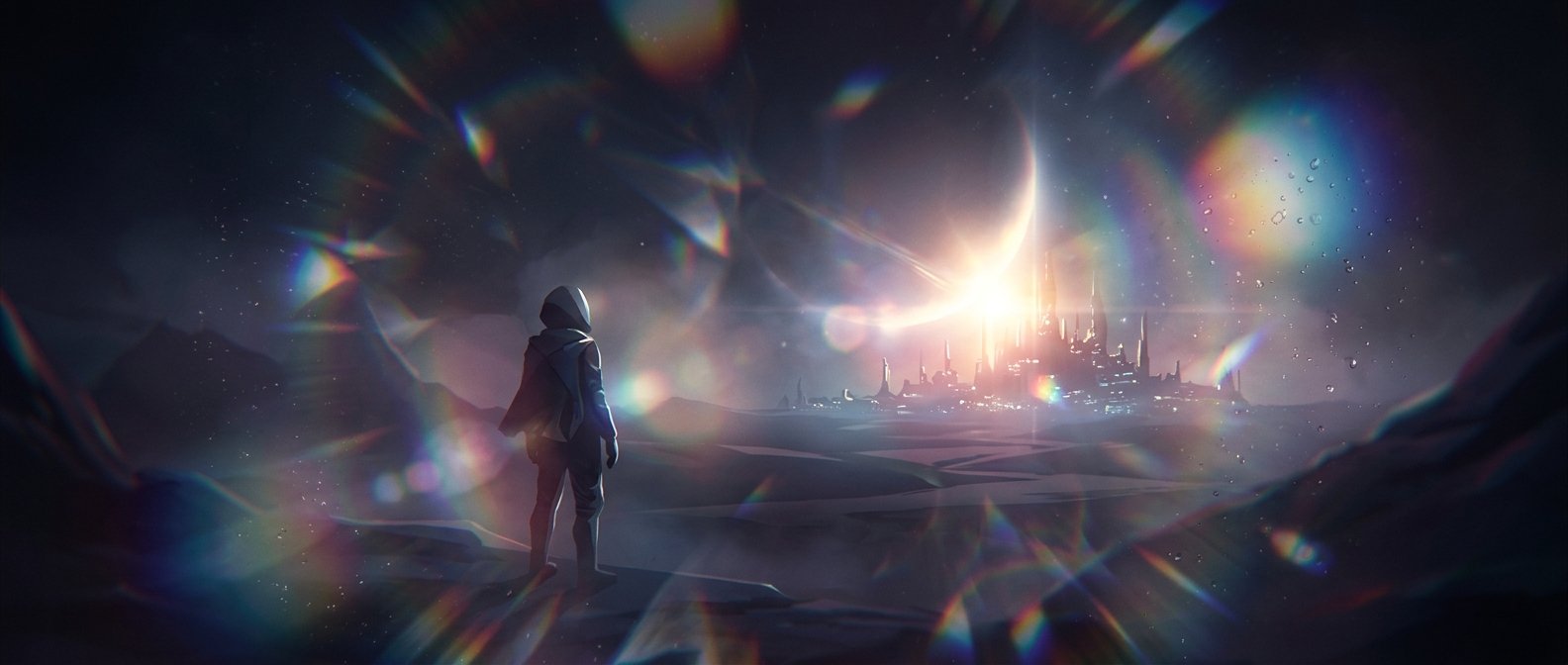
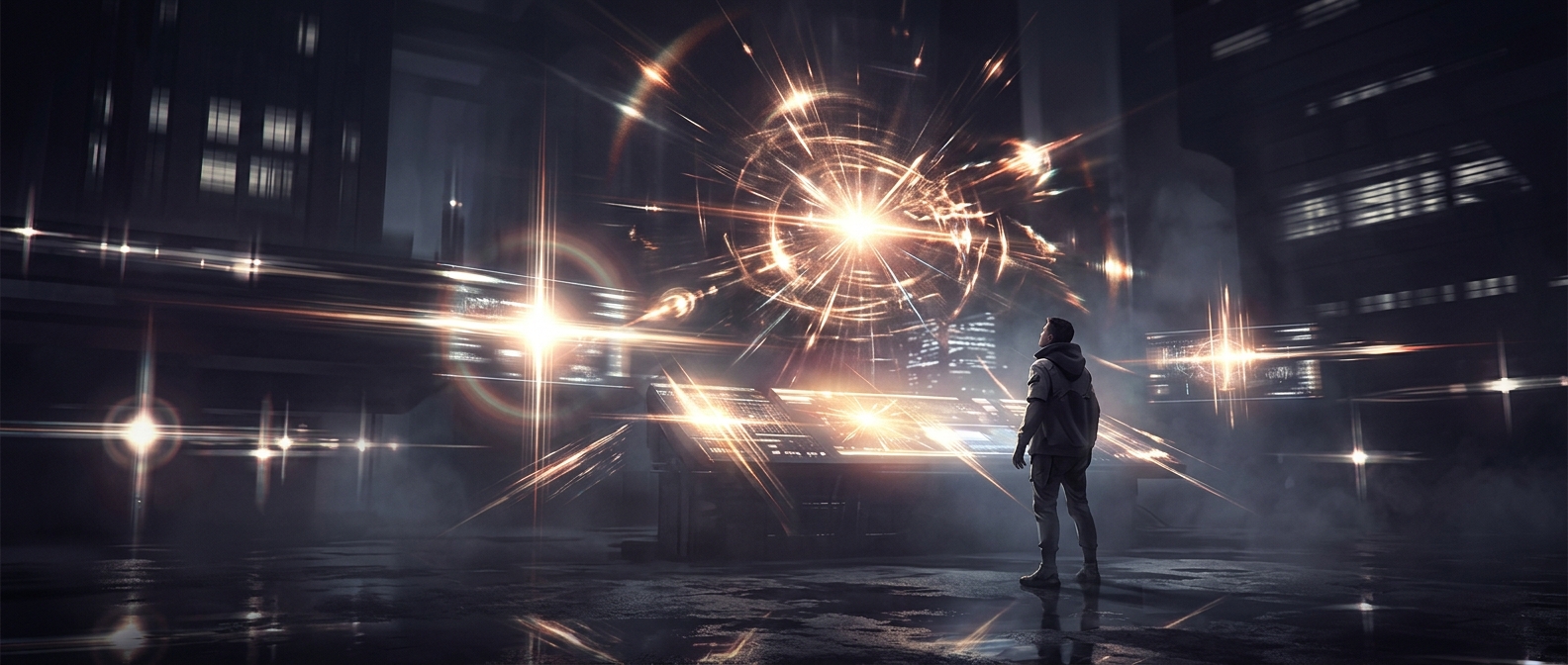
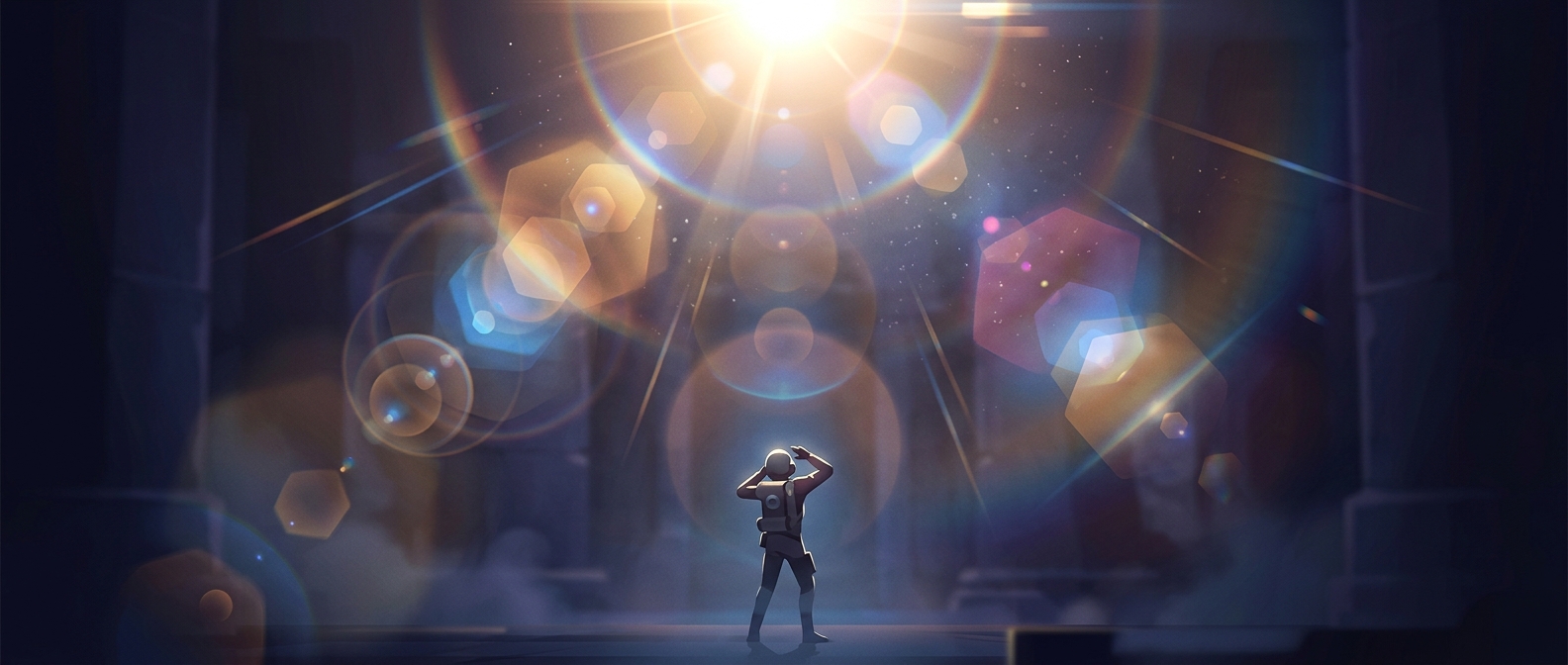
A bright light in a game can produce more than a glowing patch. Developers may add a lens-flare effect: a visual simulation of reflections and scattered light inside a camera lens. When the viewpoint faces a sun, lamp, or weapon flash, the effect can stretch across the image as streaks, rings, or bright polygons.
Many games calculate these shapes in relation to the light’s position on the screen. As the player turns, the flare shifts with the viewpoint, making the scene feel as if it were being seen through a camera rather than as a perfectly clear window onto a virtual world. A strong flare can also suggest glare, heat, or a dazzlingly bright source without changing the game’s underlying lighting.
Atmosphere Versus Visibility
The same effect that makes a light feel powerful can obscure what the player needs to see. A flare may wash over an enemy, soften environmental detail, or reduce contrast just when the player is trying to aim. Its impact depends on where the light sits in the frame and how much of the screen the effect occupies.
That creates a design tradeoff: a restrained flare can add depth and mood, while an oversized one can compete with the scene—and with the controls. When a game offers a setting to reduce visual effects, changing it can make bright scenes easier to read, even if the light feels less dramatic. The flare is not merely decoration; it can determine whether a brilliant flash feels cinematic or simply gets in the player’s way.