Fog Turned a Hardware Limit Into Part of the View
A game console had only so much time to draw each frame. Every visible building, tree, or other object added work: the system had to transform its shape into screen coordinates, decide which surfaces faced the player, and paint the result. When the scene grew too complex, the game could slow down or fail to keep the image updating smoothly.
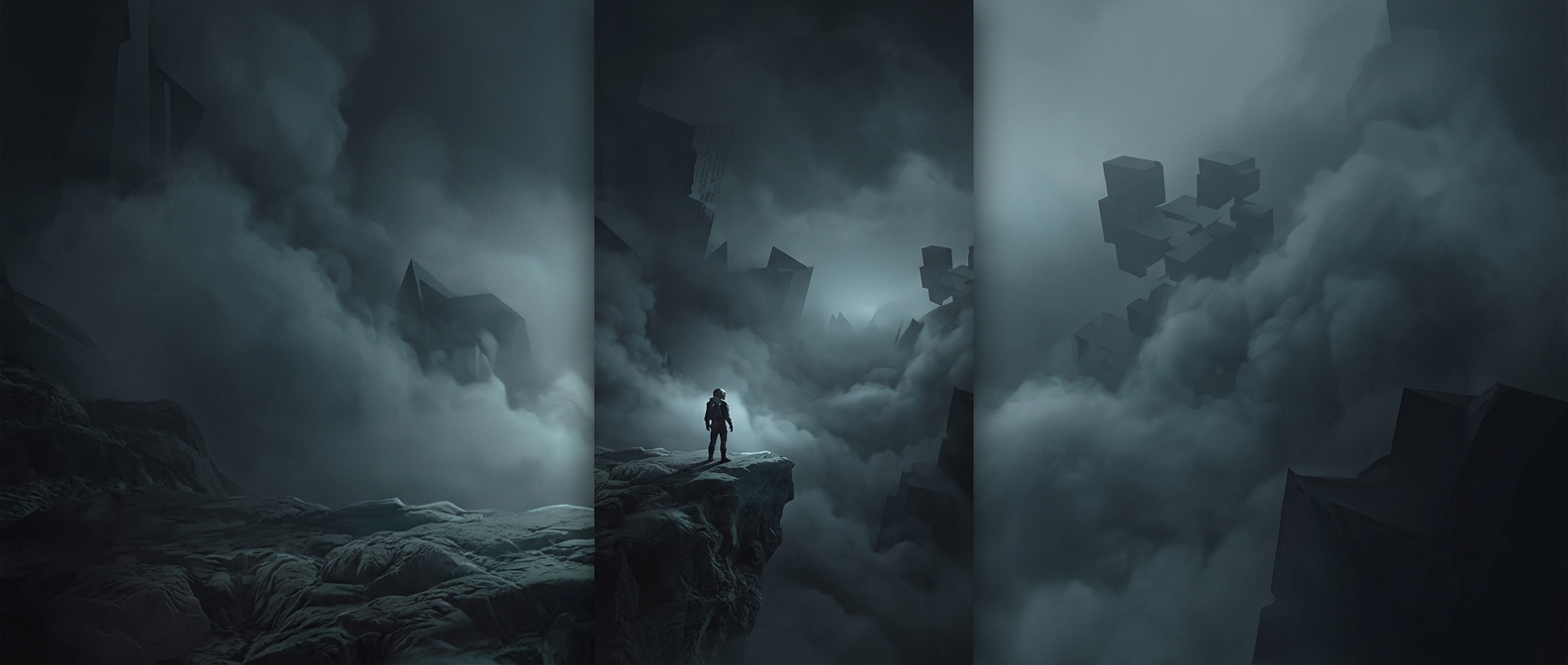
One solution was to stop drawing distant scenery. But a sharp cutoff could make a building suddenly appear as the player moved forward—a distracting effect called pop-in. Fog softened that boundary. Distant objects grew faint against a haze, so the game could omit them without making the edge of the visible world look like a hard line.
A Visual Effect With a Practical Job
The trick worked best when the fog’s color matched the sky or the surrounding environment. As objects receded, the game blended their colors toward that haze. Players saw a gradual loss of detail rather than an abrupt transition from scenery to empty space.
The technique also shaped how designers built levels. A foggy street or landscape could feel atmospheric, while its limited visibility helped keep far-off geometry out of the scene. Designers could arrange routes, landmarks, and reveals so that places emerged from the mist as the player approached.
Fog did not make the console more powerful; it changed what the player could see. The result was a useful tradeoff: less distant scenery to render, and a world whose edge could feel intentional rather than unfinished.