Why a Game’s Code Can Disappear
A finished game and the materials needed to recreate it are not the same thing. Players may have discs or other copies of a release, but those usually contain a version prepared to run—not the editable source code developers used to make it. Without that source, changing the game or rebuilding it for new hardware can be far harder, even when the original release still exists.
A Personal Drive Became the Archive
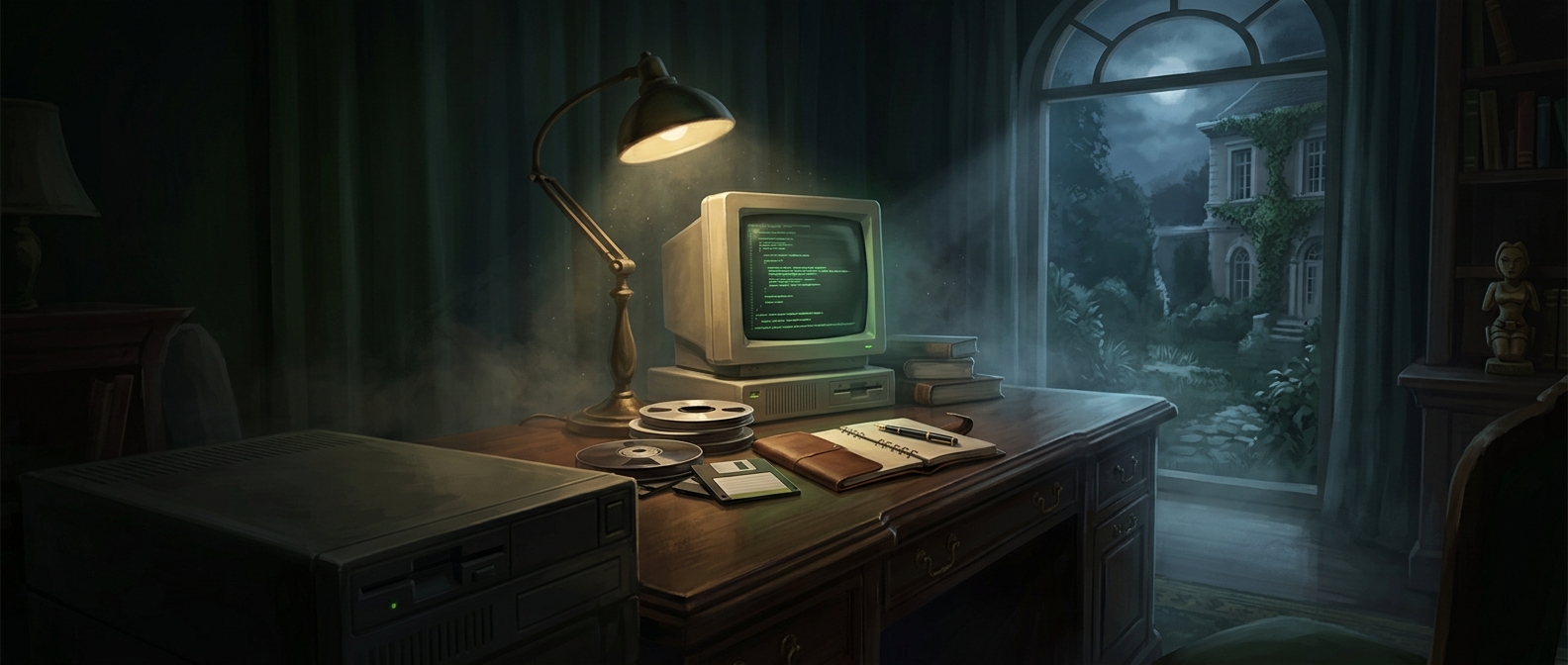
In Tomb Raider’s case, the preservation gap came down to where the remaining code was kept. The company responsible for it failed to preserve a copy, leaving a developer’s personal hard drive as the only surviving one. A personal computer can function as an accidental archive, but it is a fragile one: a drive can fail, be misplaced, or become inaccessible, and files may depend on tools or other materials that were not saved alongside them.
That is why software preservation requires more than keeping a playable copy. Archives need the working files and enough context to understand and use them later. A game’s source can reveal how its systems were built and make future study or restoration possible; losing it can close off those options even if people still remember the game or own the original release.
The Risk Behind the Near-Loss
The striking detail is not simply that a hard drive survived. It is that the fate of a major game’s editable code rested on a copy outside the company’s preservation process. For digital history, one person’s old computer can become the difference between a work that can still be examined and one that survives only in its finished form.