A Door Can Look Real Without Being a Door
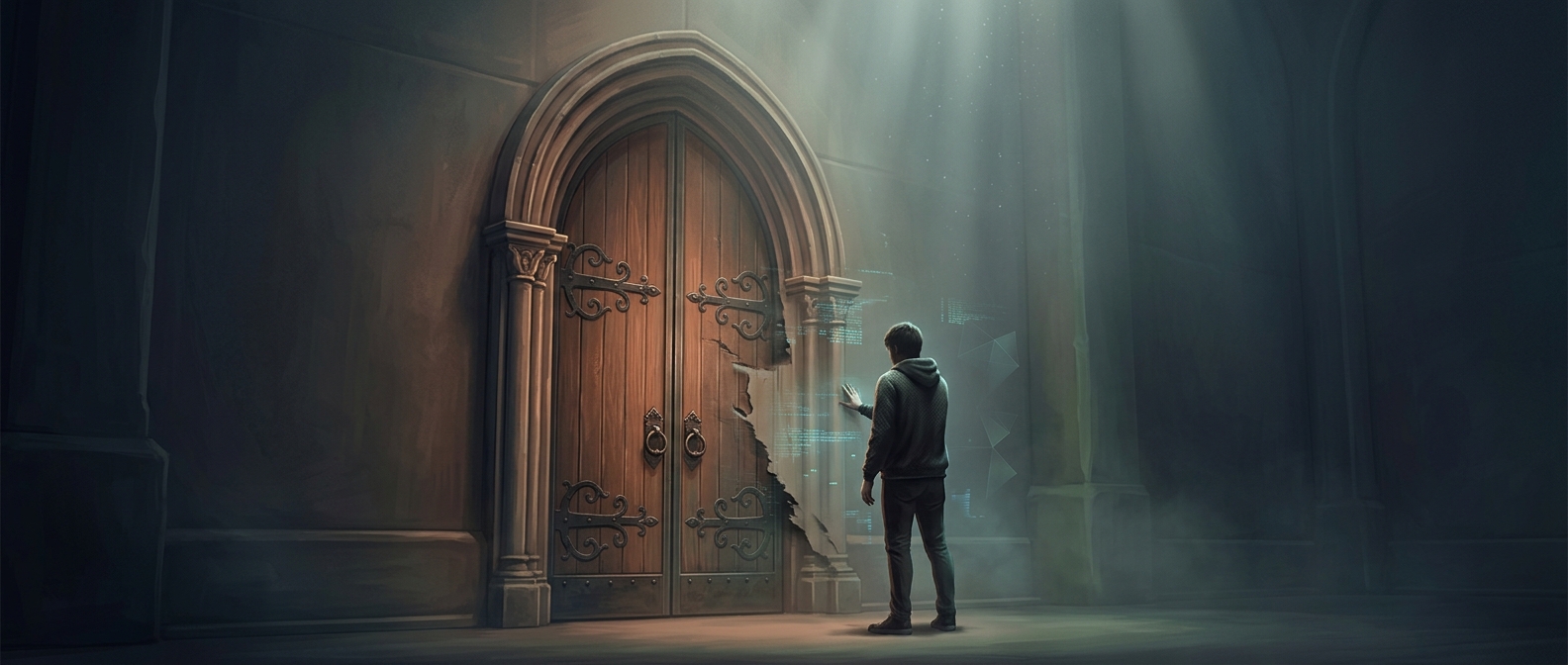
A painted doorway can be part of a wall’s texture—the image wrapped across a 3D surface to make it look like brick, wood, or glass. The frame, panels, and handle may all appear in that image, while the actual game object is just a flat section of wall. It has no hinge, interior, or entrance for the character to use.
That works because players read visual cues quickly. A dark rectangle suggests a recess; a bright edge suggests a frame; a small handle signals where a hand might go. At ordinary playing distance, those cues can sell the idea of a door without the game building one that opens.
What the Game Saves by Leaving It Flat
A usable entrance needs more than a convincing picture. The game must decide when the player is close enough to interact, animate the door, handle collisions, and show what lies beyond it. If the space is not meant to be entered, those systems add work without changing what the player can do.
A flat facade also helps keep a busy street manageable. The game can spend its effort on places that matter to play—such as a shop the player can enter—while distant or decorative buildings remain visual scenery. This is not necessarily a trick to hide a flaw; it is a design choice about which parts of the world need to function.
The Boundary Players Learn to Read
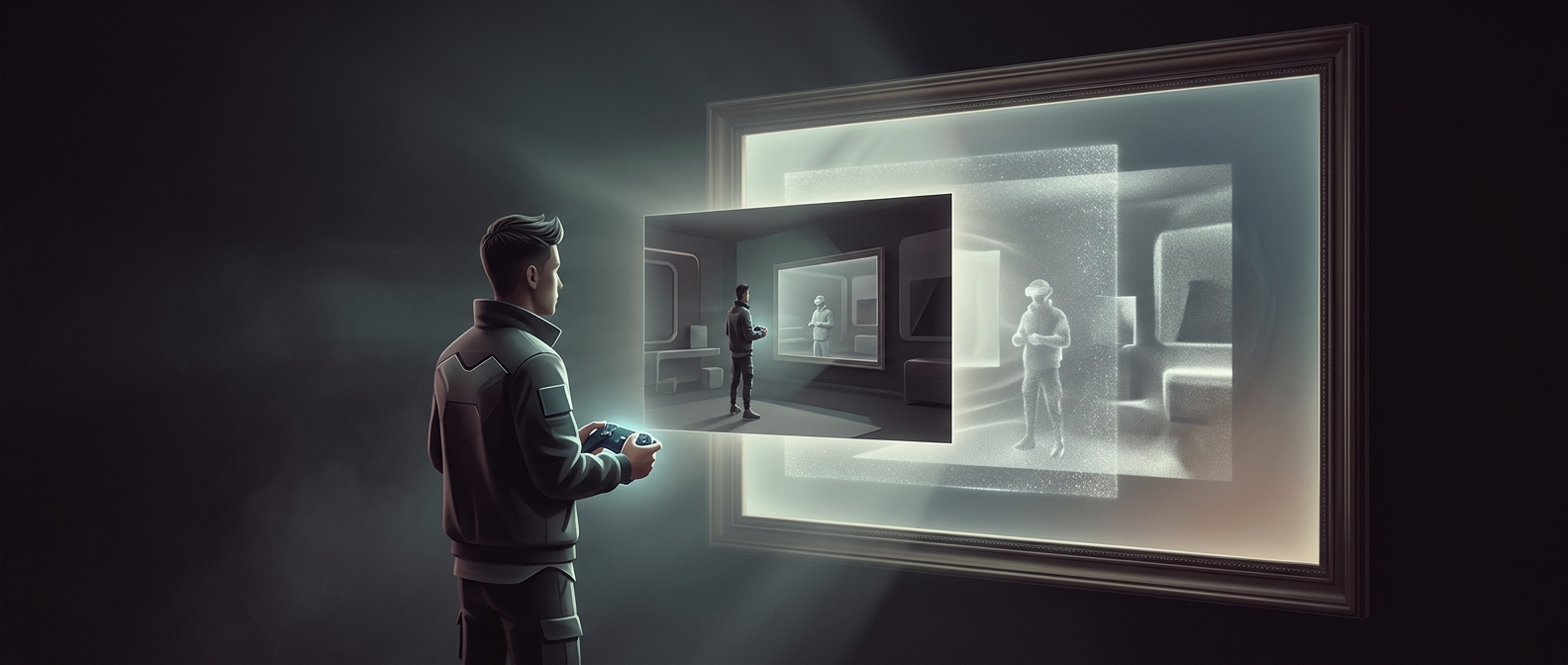
Games often reinforce that boundary through interaction: a real entrance may respond to a prompt or open when approached, while a decorative one does nothing. Once players recognize the pattern, a handle becomes less a promise than a clue about the game’s rules.
The result is a city that can look densely built without every facade leading somewhere. A painted door can complete the street’s visual rhythm, while the playable world quietly begins only at the doors the designers chose to make real.