Why one image can split in two
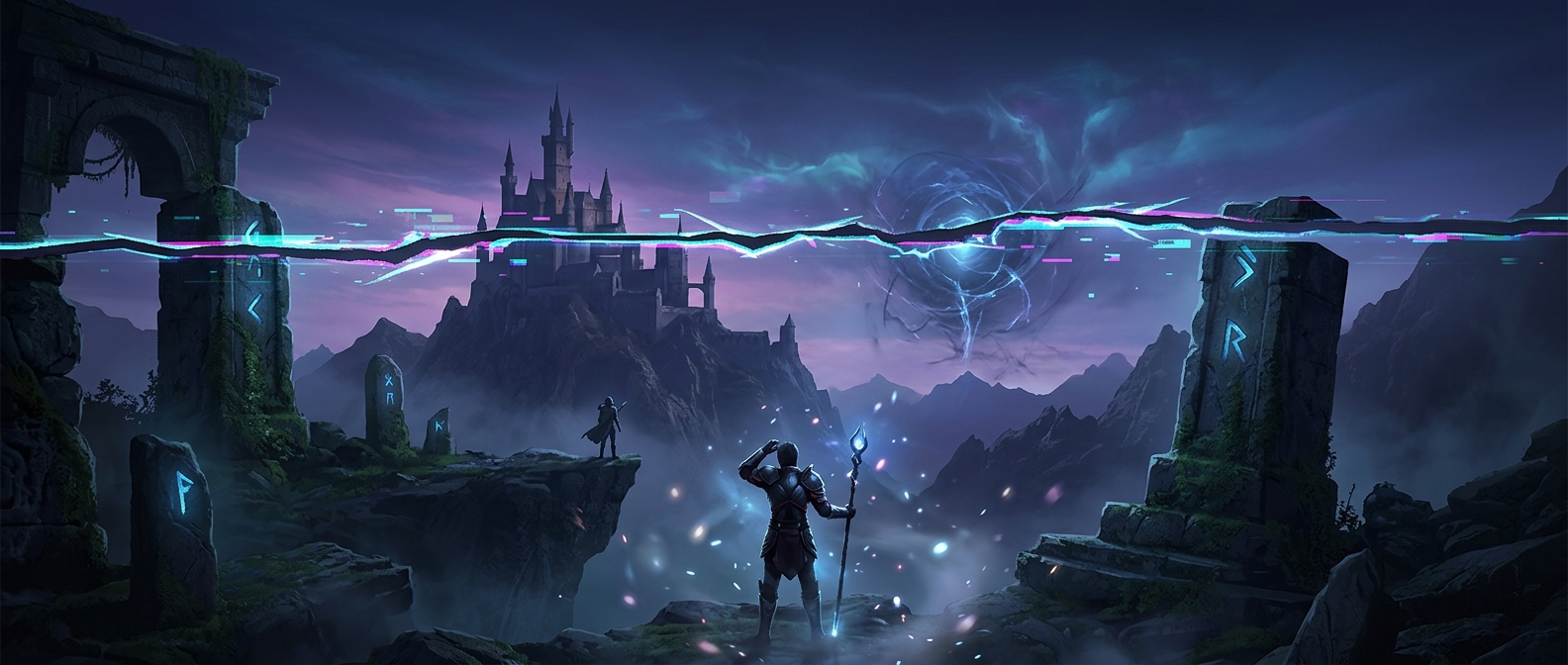
A monitor does not usually light every pixel at once. It refreshes the picture in a sweep, moving across rows of pixels from top to bottom. Meanwhile, a game’s graphics processor may finish rendering another image and replace the one the monitor is reading. If that handoff happens during the sweep, the upper rows can come from one frame and the lower rows from the next. Because objects have moved between frames, their edges no longer line up.
The tear is therefore a timing mismatch, not a flaw in the game’s artwork. Fast camera pans make it especially noticeable: a fixed edge, such as a wall or tree trunk, appears to jump sideways at the seam.
The tradeoff behind the fixes
One common fix, vertical synchronization (V-sync), makes the game wait to present a new frame until the monitor is ready to begin another refresh. That keeps each sweep consistent, but waiting can add input delay. If the game misses a refresh deadline, the monitor may show an older frame for longer, making motion feel uneven.
Variable-refresh-rate displays take a different approach. Instead of insisting on a fixed schedule, the monitor adjusts when it refreshes to better match when the game has a frame ready. This can reduce tearing without the same forced wait, though the benefit depends on the display and the game’s frame rate.
Why the setting matters in play
There is no single best choice for every game. In a slow-paced game, a slight delay may be an acceptable price for a clean image. In a competitive game, players may prefer lower input latency and tolerate some tearing. The important distinction is that a high frame rate alone does not guarantee a tear-free picture: the game and display still have to agree on when each frame becomes visible.