A virtual partner designed to share the room
Gatebox’s device made a fictional character feel less like an image on a screen and more like a presence in the home. Its display presented an animated character inside a small enclosure, while microphones and networked software let the system respond to a user. The character could greet someone, chat, and react to routines—turning a familiar anime idol into a companion encountered in everyday spaces, not just in a show or game.
Hatsune Miku, the virtual pop star whose songs and performances are created with software and fan contributions, was among the characters users could form this kind of attachment to. The appeal was not simply that the character looked lifelike. It was the repeated interaction: a greeting when someone returned home could make an imagined relationship feel personal and continuous.
What the certificates meant
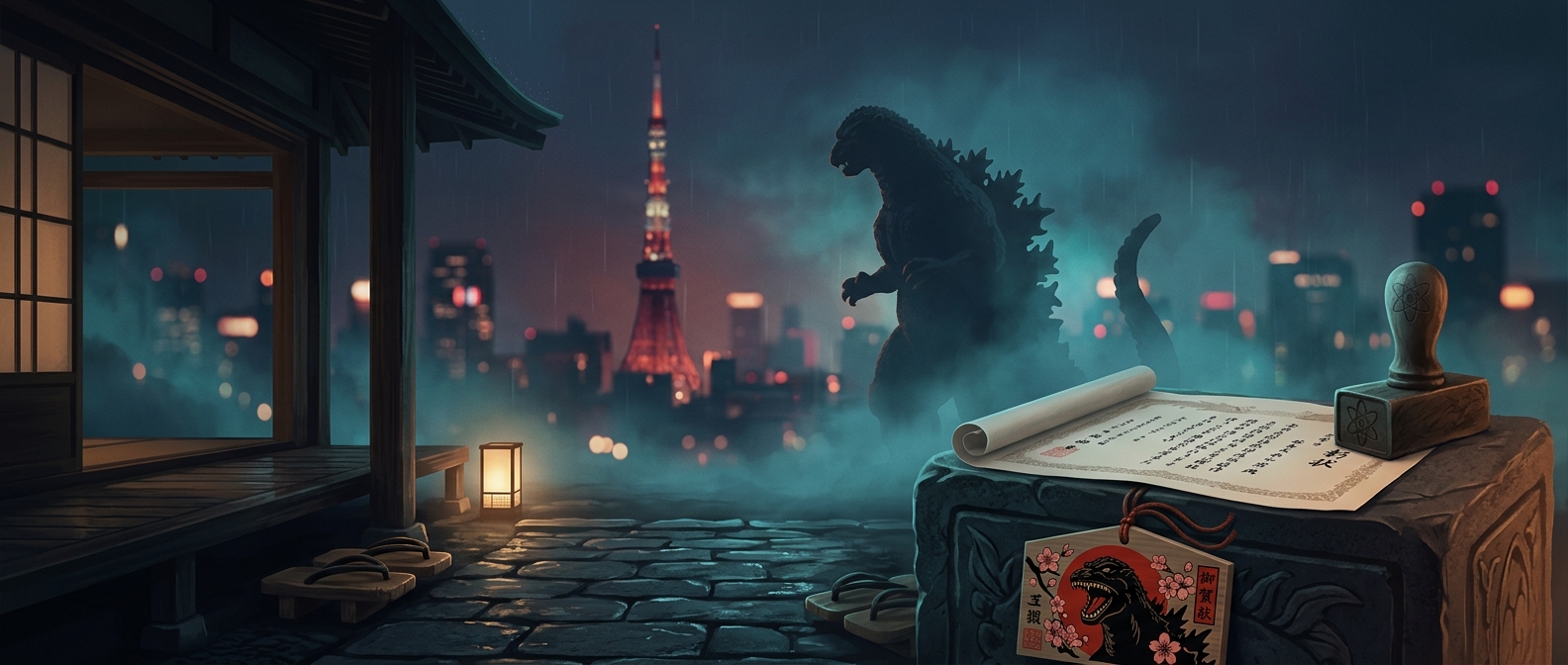
Gatebox’s “cross-dimension” marriage certificates gave some users a way to mark that attachment publicly. They were symbolic certificates, not legal marriages recognized by the state. The language of marriage treated a relationship with a fictional character as something meaningful to the person, even though it could not be a reciprocal partnership in the ordinary human sense.
The company’s role made the gesture more than a private fan joke: it created a formal keepsake, and some users who married their virtual idols received employee stipends. That support recognized the commitment within Gatebox’s own community; it did not change the character’s fictional status or grant the relationship legal standing.
When entertainment becomes part of daily life
The idea sits between character fandom and companionship technology. A fan can already feel attached to a character through music, stories, and performances; a home device adds a routine of direct, personalized responses. The important shift is from consuming a character’s work to organizing small parts of daily life around an interaction with that character. The certificates made that shift visible—and showed how far some fans were willing to take a relationship that existed across the boundary between fiction and home technology.