How an Air Dodge Becomes a Ground Slide
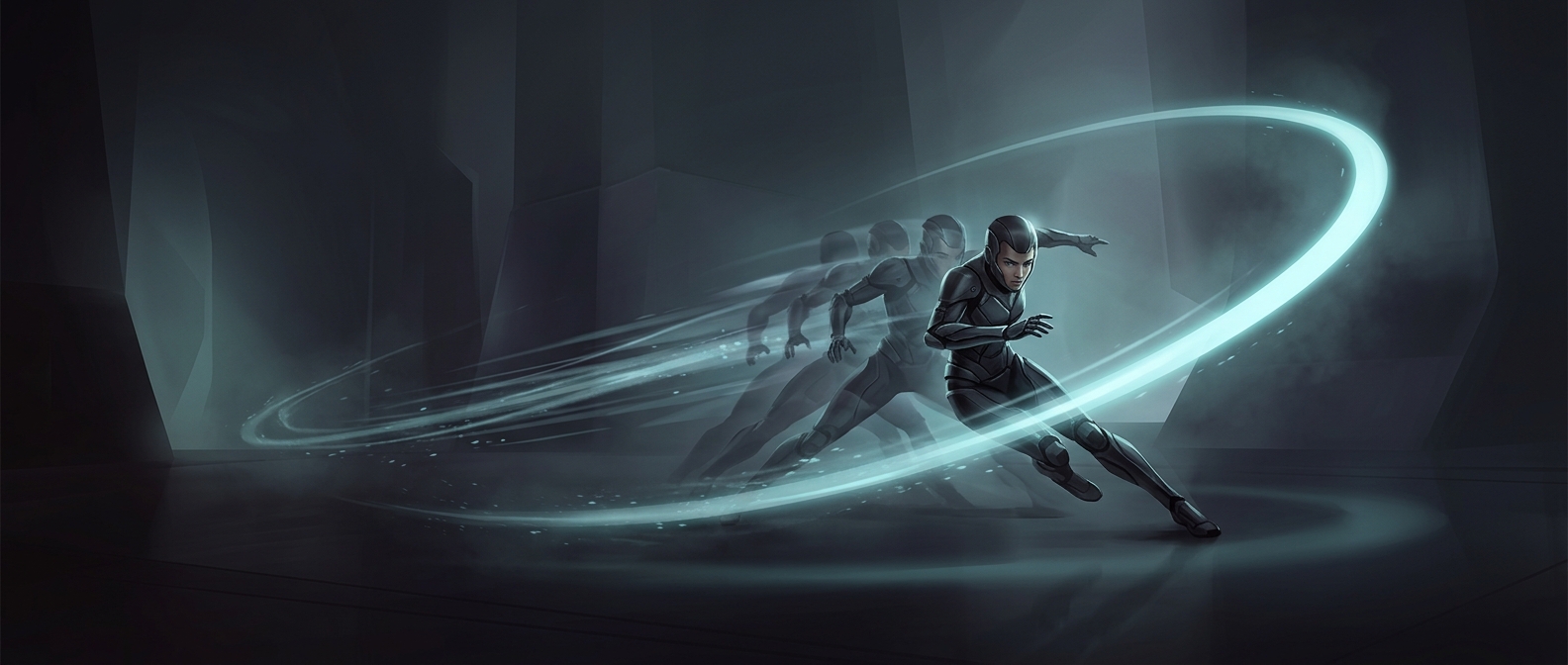
An ordinary dodge is a brief burst of movement. A directional air dodge can do something more useful: it gives the character horizontal momentum just before landing. If the player times the move so the character reaches the ground while still traveling quickly, that momentum can carry into a slide.
The key is the transition between states. In midair, the dodge changes the character’s velocity—the speed and direction of movement. On landing, the game may preserve some of that velocity instead of immediately replacing it with the slower pace of a grounded walk. The character then skims forward, turning a short evasive move into a way to cover ground.
Why Timing and Direction Matter
A dodge aimed sideways or diagonally can create a longer horizontal path than one aimed straight up or down. But starting it too early may let its speed fade before the character lands; starting it too late may leave too little time to build useful travel. Players are effectively lining up the dodge’s remaining momentum with the moment their character meets the floor.
That makes the technique a small piece of movement engineering. It rewards players who read the jump’s arc and choose a landing direction, rather than simply pressing dodge whenever danger appears. The payoff is not just evasion: a well-timed move can keep the character moving faster than a normal walk after the immediate threat has passed.
A Risky Shortcut, Not Free Speed
The slide depends on having room to travel and a landing that preserves momentum. A wall, an awkward angle, or a mistimed dodge can waste the burst or carry the character somewhere unsafe. When it works, though, one action serves two purposes: the player avoids an attack in the air and arrives on the ground already moving.