Two archipelagos, two different kinds of escape
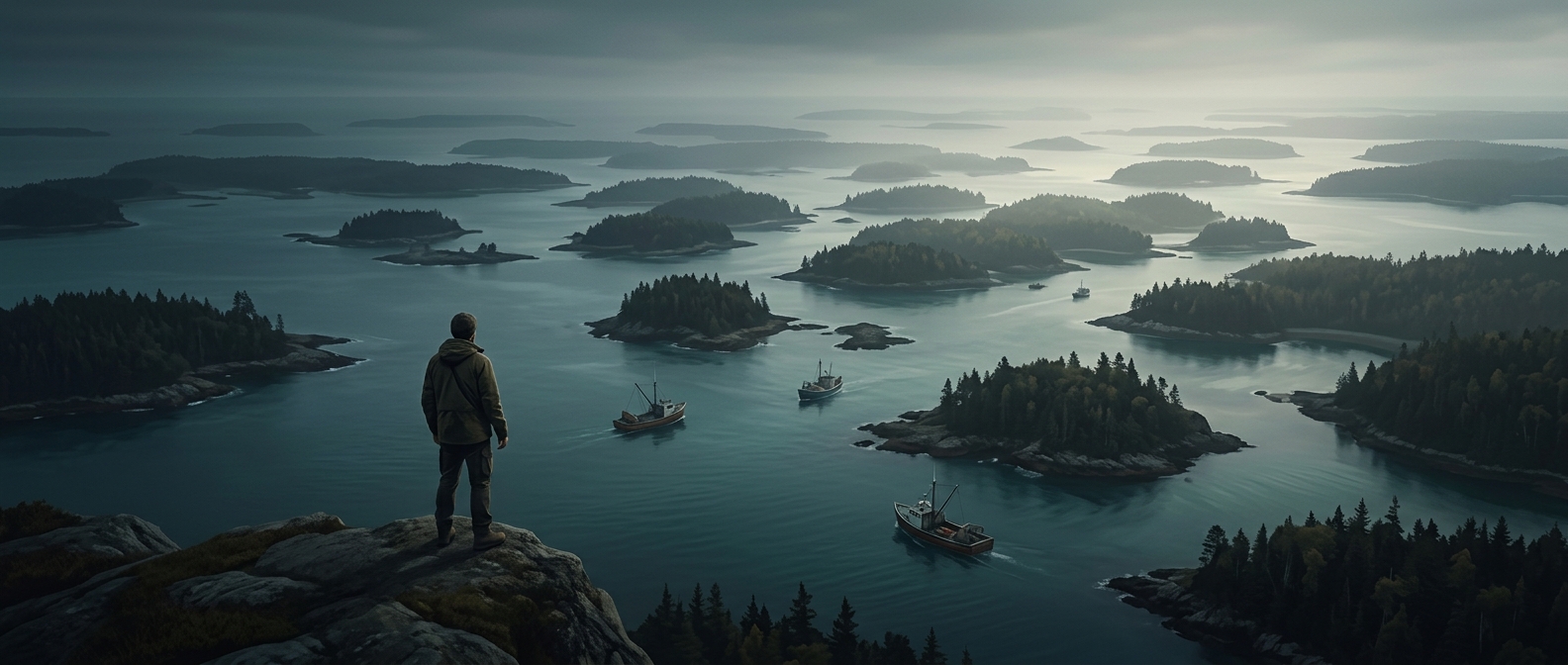
The Azores and the Philippines are not single resort settings but sprawling island groups, and their scenery comes from different geological stories. In the Azores, volcanic forces built steep islands in the Atlantic. Crater lakes, green slopes and dark rock make the landscape feel close at hand: a walk or drive can shift from a coastal village to a high volcanic rim.
In the Philippines, “lagoon” scenery often has a different origin. In places such as Palawan, water gathers among pale limestone cliffs shaped over long periods by erosion. The result is not interchangeable with a volcanic crater lake: one is a hollow in volcanic terrain, the other a sheltered pocket among carved rock.
The journey is part of the choice
An island escape also means accepting island logistics. Reaching a quieter spot may involve a connection, a ferry or a smaller boat, and weather can affect plans. That extra effort can spread visitors beyond a famous resort center—but it also makes flexibility important. Check how the final leg works before building an itinerary around a beach or lagoon.
Local meals connect the scenery to daily life. In the Azores, the Atlantic and fertile volcanic land shape what appears on tables; across Philippine islands, menus vary with local waters and crops. Rather than expecting one signature dish everywhere, look for what is caught, grown and cooked in the particular place. The appeal is not just fewer crowds: it is seeing how island geology, access and food change from one stop to the next.