A progression system became a public controversy
In 2017, Star Wars Battlefront II tied character upgrades to a system of randomized “loot boxes,” containers that award an assortment of items rather than a player-selected reward. Players could earn them through play or buy them with real money. Some rewards affected gameplay, while access to famous heroes such as Luke Skywalker and Darth Vader also required substantial in-game effort or spending.
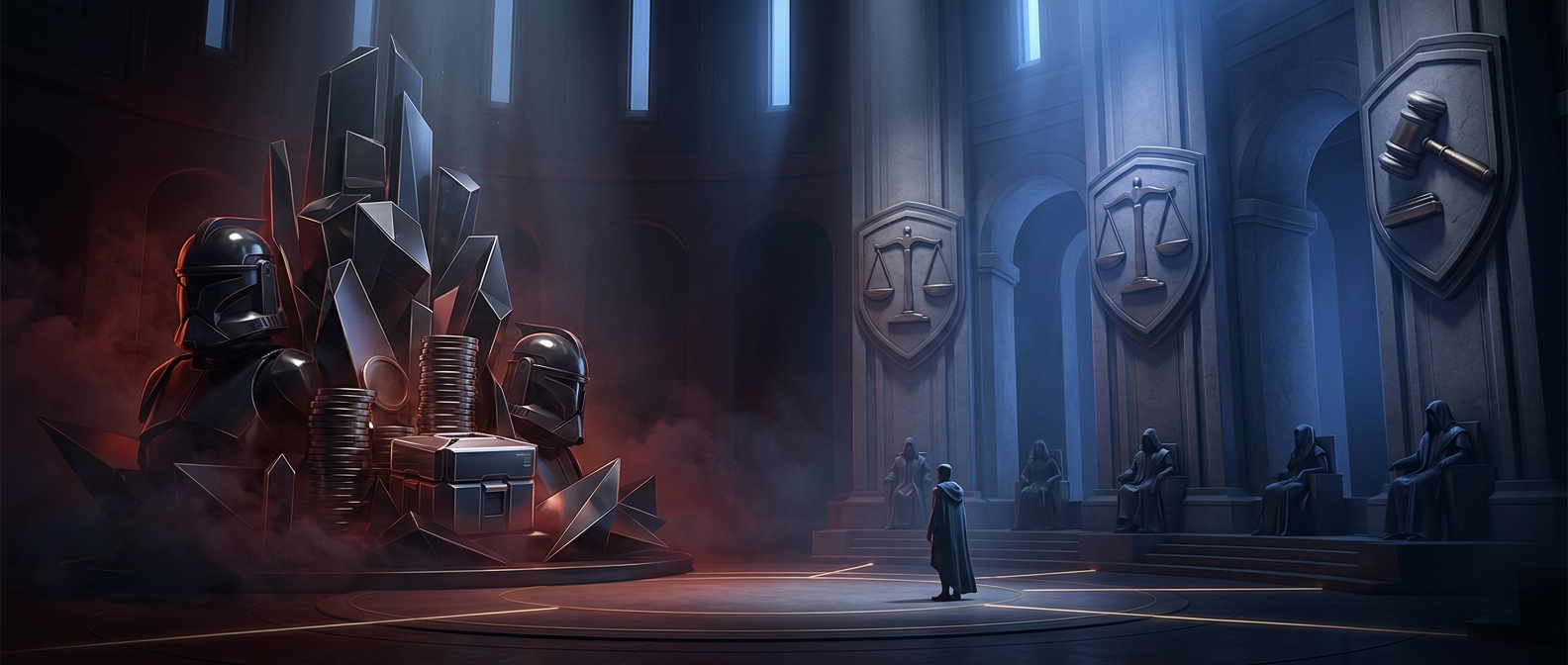
That combination made the system feel less like an optional cosmetic shop and more like a toll on familiar parts of the game. Players objected that paying could speed access to useful upgrades and characters, while those who did not pay faced a long grind. The criticism spread beyond gaming forums and put the game’s design in front of elected officials.
Why the random rewards mattered
A direct purchase tells a player what they will get. A loot box does not: the buyer pays for a chance at a particular reward, and may need to open many boxes to obtain it. That uncertainty is why critics compared paid loot boxes to gambling, especially when children could play the game. The comparison was a policy question, not a settled conclusion that every loot box legally counted as gambling.
The controversy also exposed a design tradeoff. A game can use rewards to keep players progressing, but when spending money accelerates that progression, players may suspect the experience has been made slower to encourage purchases. EA temporarily removed real-money purchases from Battlefront II before launch, while leaving the larger debate intact: when a game sells randomized rewards, where should the line fall between optional spending and pressure to pay?