Why a monthly reward can change how a game is played
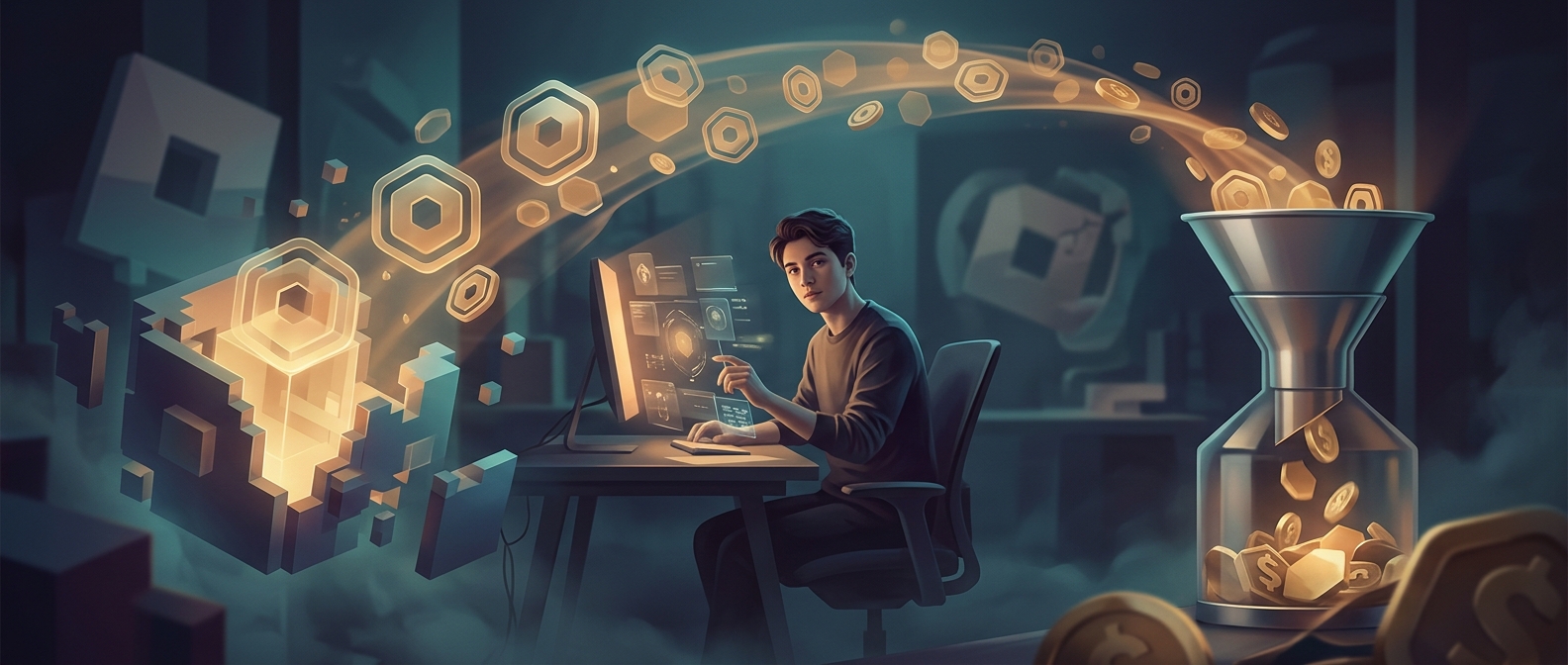
A subscription gives players a reason to check back on a schedule. Instead of deciding once whether to buy a particular item, they pay regularly and receive a continuing bundle of benefits—perhaps currency, access, or items tied to the game. The value is spread across time, so logging in can feel like collecting something already earned rather than making a fresh purchase.
The design tradeoff: return visits versus obligation
For a publisher, recurring payments can make revenue more predictable than relying only on occasional game or item sales. For the player, the appeal is convenience and a steady stream of rewards. But the schedule also changes the decision: a player may keep returning to make use of the subscription, or keep paying because stopping feels like giving up benefits they expect to receive.
That can turn a reward calendar into part of the game’s rhythm. A monthly claim may sit alongside daily tasks, seasonal events, or other reasons to log in. The subscription is not the same as a random loot system: its rewards may be specified in advance, while random loot offers uncertain outcomes. Their shared effect is subtler: both can make spending recur as a habit rather than remain a single, isolated choice.
What the routine is really selling
The subscription sells more than its listed items. It also packages continued access to a predictable flow of value—and gives the game a recurring place in the player’s routine. Whether that feels worthwhile depends not just on the rewards, but on whether the player would still want to return if the monthly delivery stopped.