Why a Deck Became a Public-Order Concern
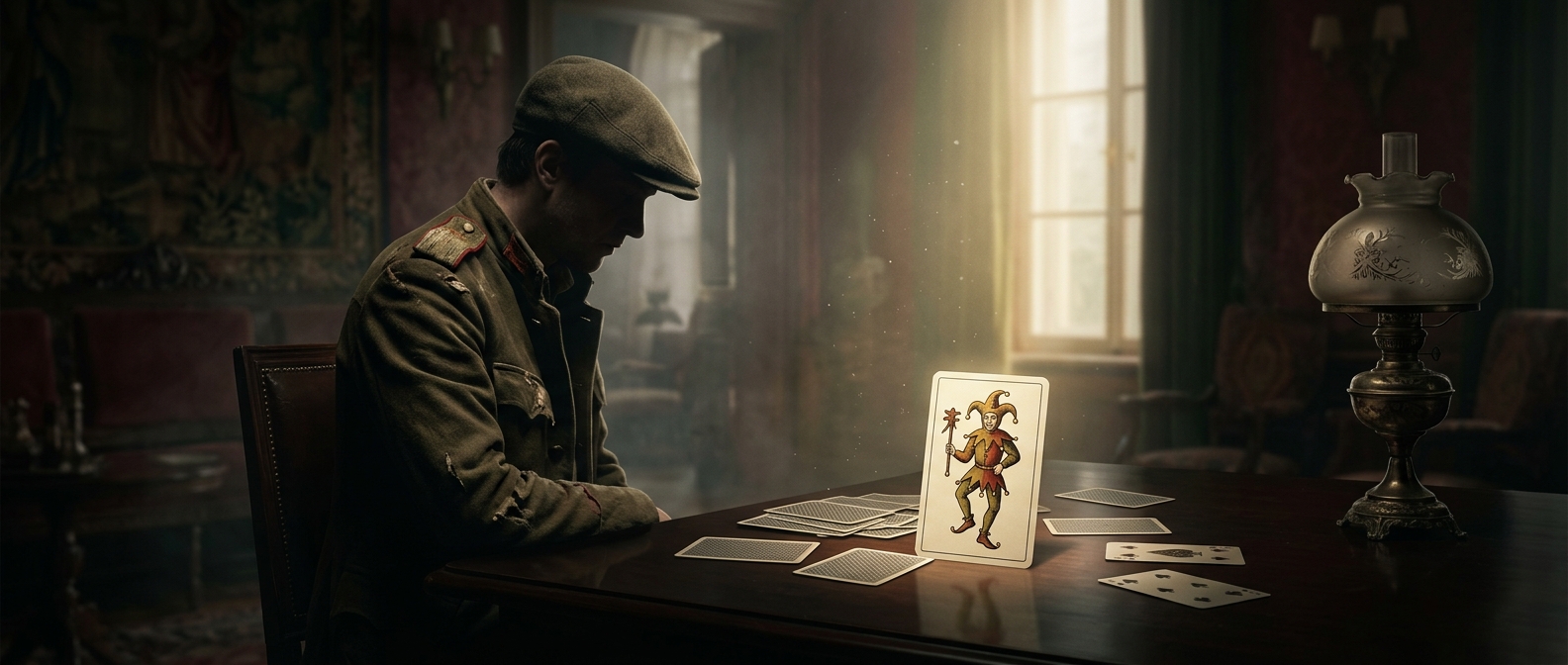
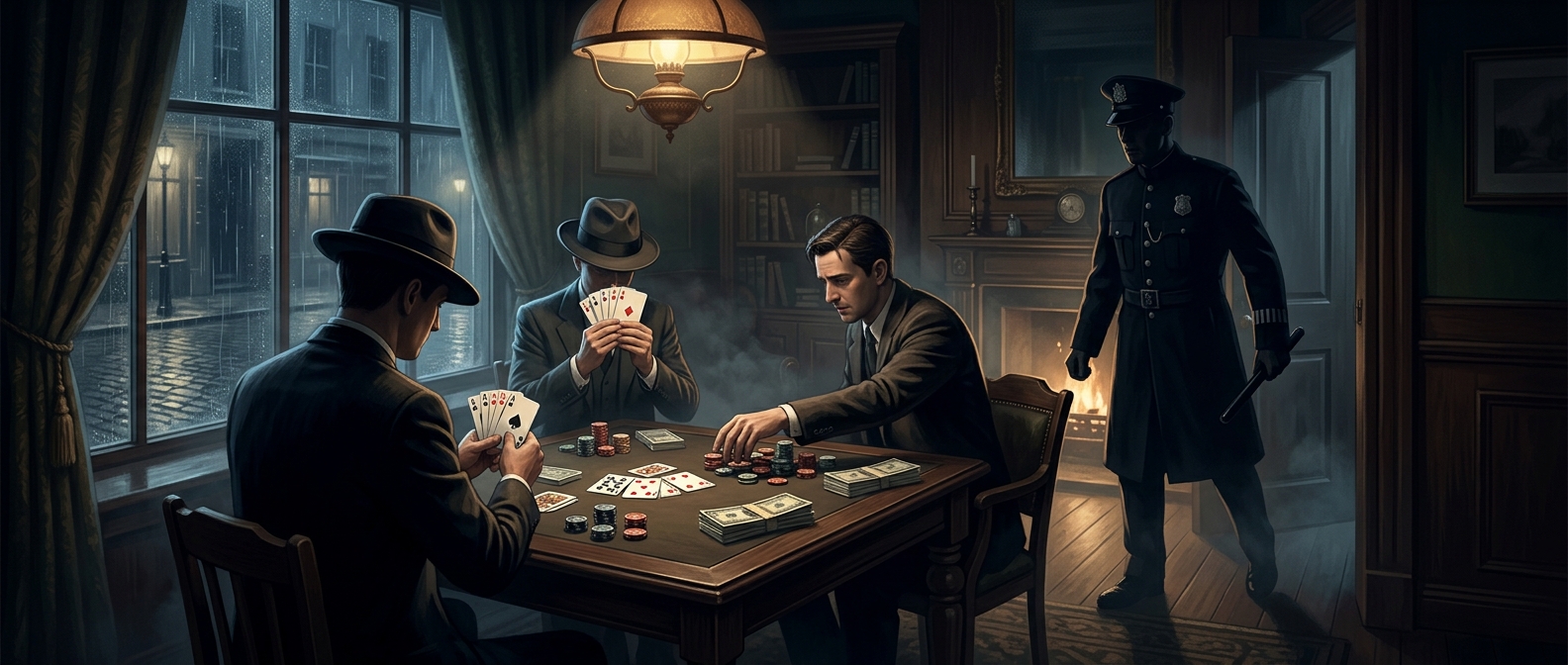
During World War I, Syracuse treated the deck as more than a pastime: it was associated with illegal betting, so the city banned it. The concern was not that cards automatically involved gambling, but that the same familiar tools used for a harmless game could also support wagering.
A Blunt Way to Limit Betting
Banning the deck offered a simple way to restrict an activity that could be difficult to separate from ordinary card play. That approach also swept up non-gambling uses—a tradeoff built into regulating an object rather than proving what each player was doing.
The prohibition was later lifted. Its reversal shows how a once-suspect object could return to ordinary play when the restriction no longer held, even though cards themselves had not changed.