Why a False Slap Costs a Card
Egyptian Ratscrew turns a simple reflex—slap the pile when a special pattern appears—into a game of nerve. A player who slaps at the wrong time has to burn a card: take one from the bottom of the deck and remove it from play. That penalty matters because the goal is to win cards, so a false move gives away part of the player’s own chance to stay in the game.
The Pile Becomes a Bluff
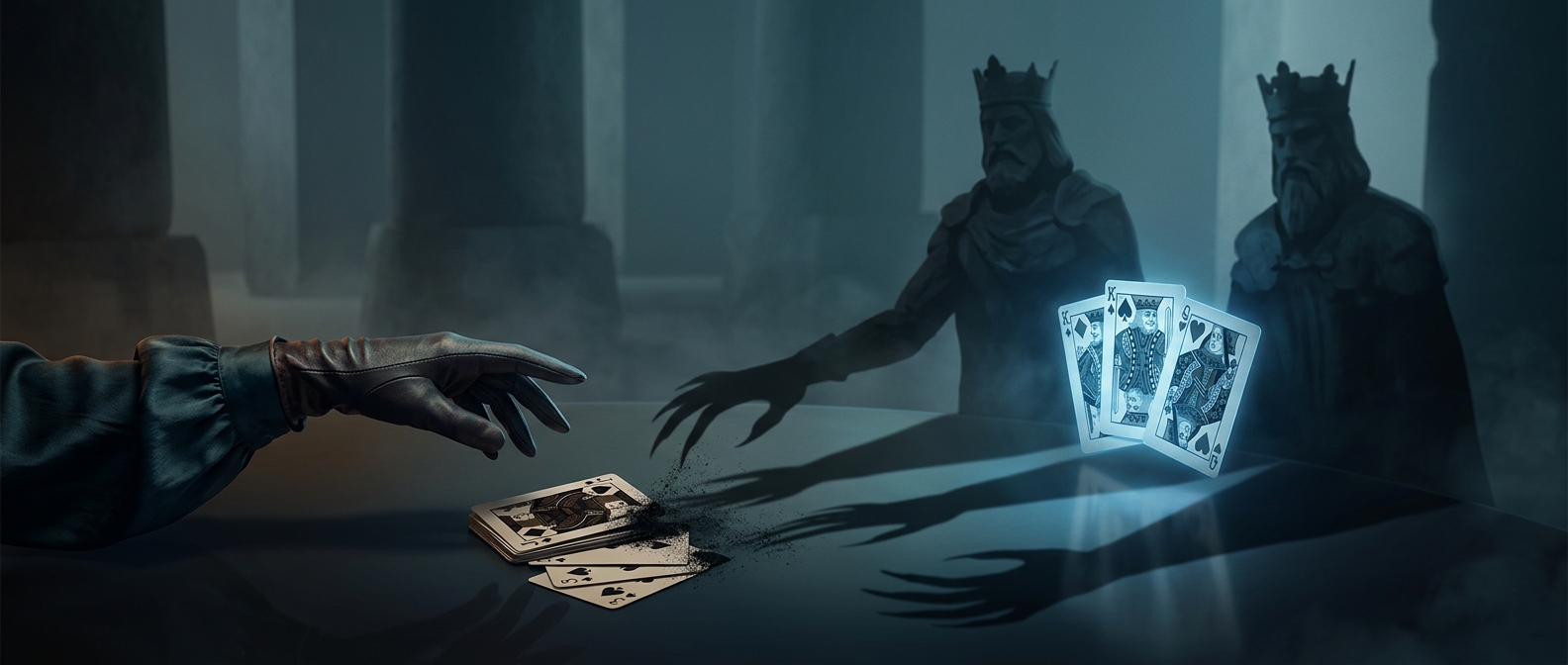
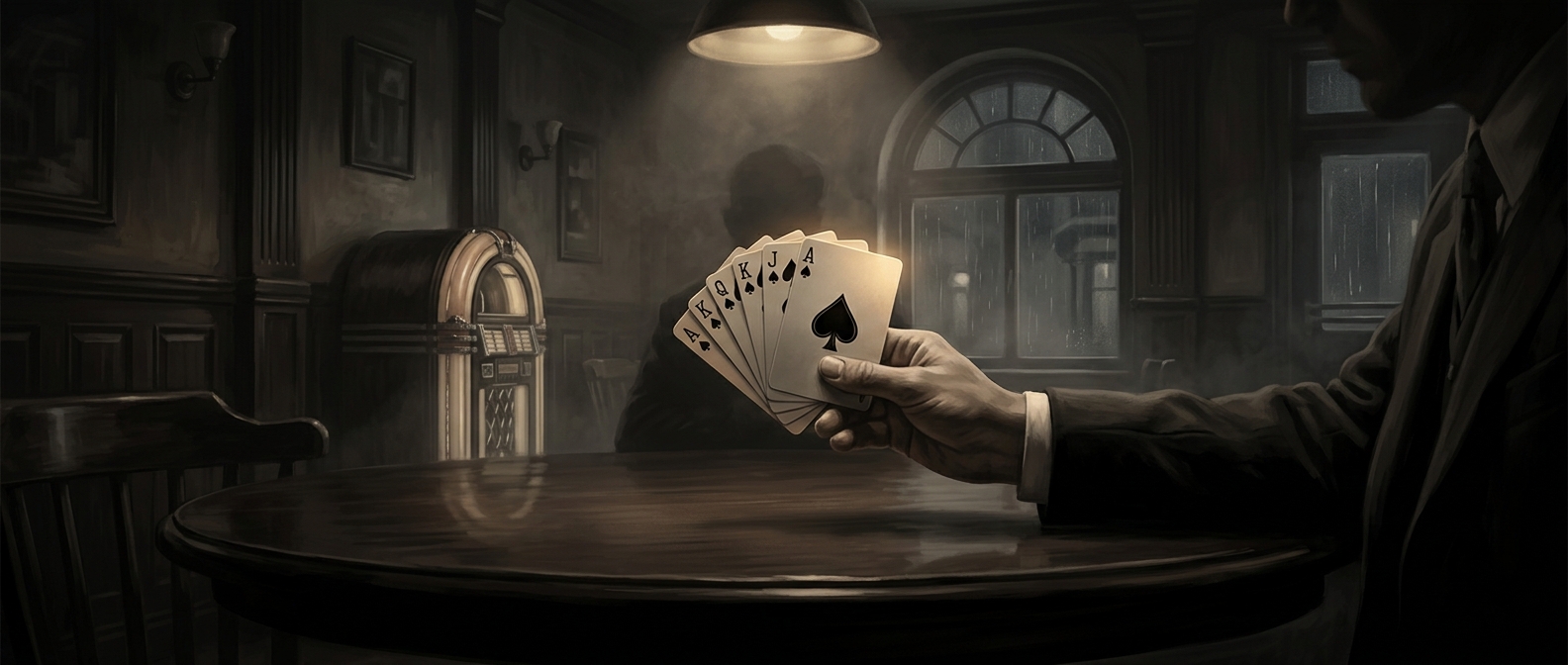
The threat of a penalty makes players watch not only the cards but one another. A quick hand movement can look like the start of a slap, prompting a rival to react before checking whether the pile actually shows a double or a sandwich—a matching card with one card between the pair. The fake works by making hesitation feel dangerous: wait too long on a real pattern and someone else may claim the pile; react to a feint and you lose a card.
That creates a second contest alongside spotting patterns. Players must judge whether a signal is genuine while managing their own impulse to move. The best bluff is not necessarily dramatic; even a twitch can be enough to make a jumpy opponent commit.
A Small Penalty Changes the Pace
Burning a card keeps mistaken slaps from being harmless interruptions. Each false start can weaken a player’s position, while a successful slap can swing a whole pile of cards to the winner. The result is a game in which quick reflexes help, but restraint matters too: sometimes the winning move is keeping your hand still.