What silence makes room for
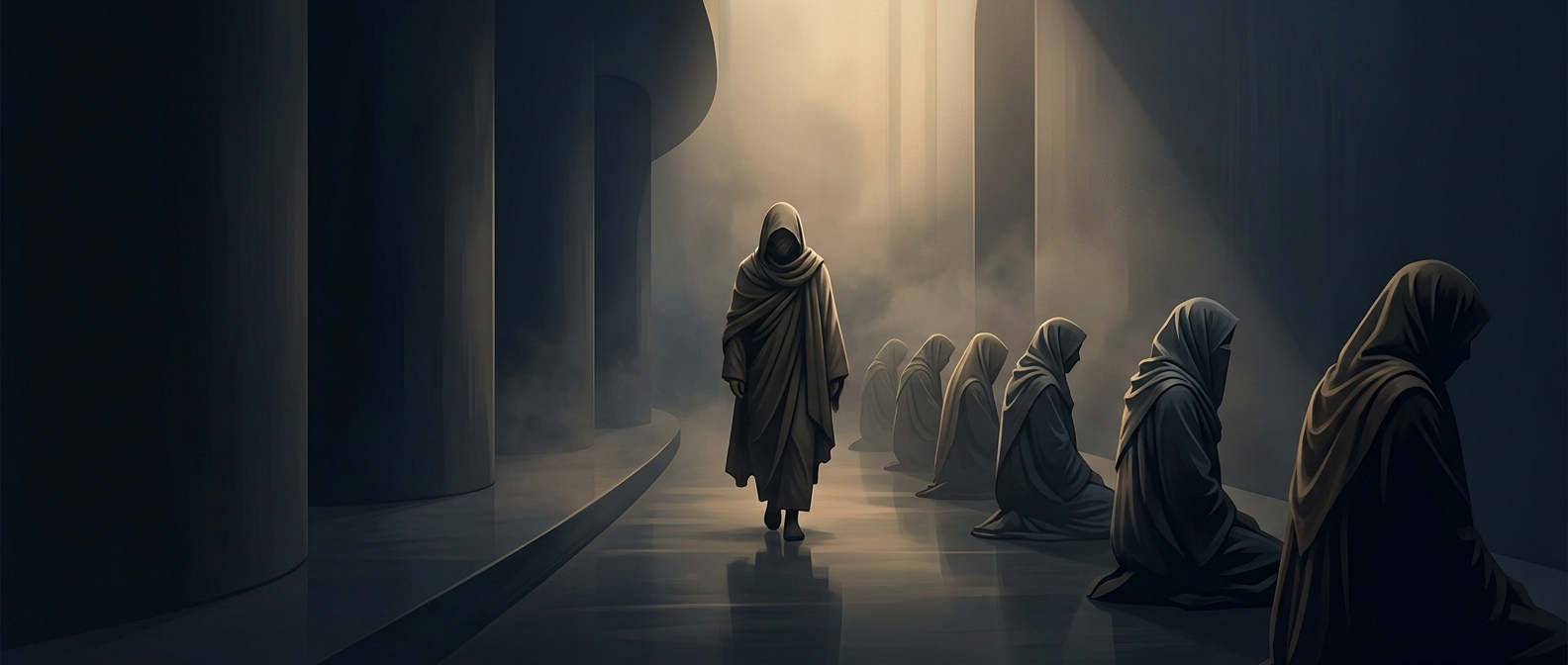
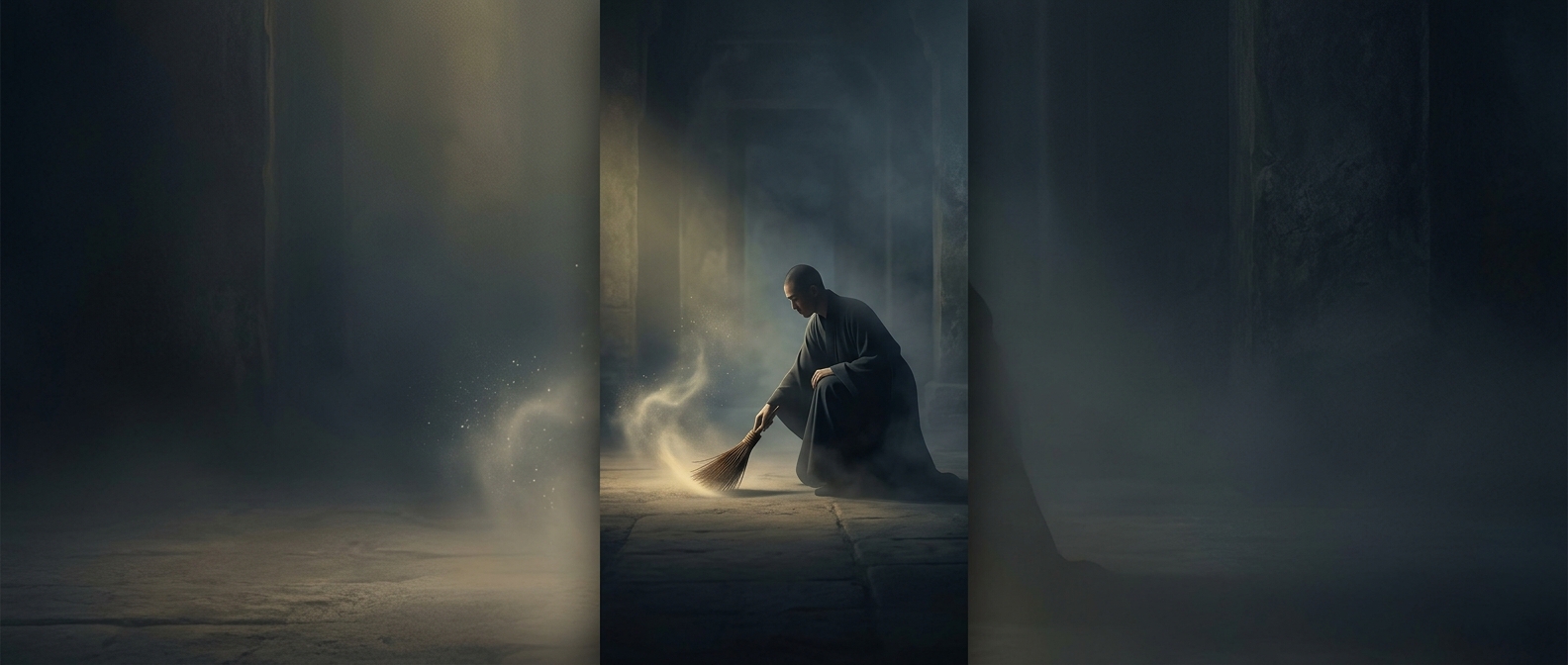
In contemplative practice, silence can be more than the absence of speech. It is a deliberate way of changing how a person attends: instead of filling a moment with explanation, requests, or responses, the practitioner waits and notices. That waiting may be understood as prayer, meditation, or readiness to encounter what exceeds ordinary understanding.
The “presence” described in these traditions does not have to mean a sound or a visible sign. It may refer to a felt relationship with the divine, a heightened awareness of reality, or a sense of meaning that seems difficult to put into words. Traditions differ in what they believe is being received; silence is not a single doctrine shared by all of them.
Why quiet can feel spiritually significant
Speech often puts the speaker in control: we name, explain, and ask. In silence, that control loosens. A person may become more aware of thoughts and emotions that conversation usually covers over, while also practicing patience and humility. Within a spiritual framework, that shift can make quiet feel less like a blank space and more like attentive presence.
This is why silence may be built into prayer, meditation, or periods of retreat. Its importance lies not simply in being alone or avoiding noise, but in the intention brought to the quiet. For someone who expects an answer in words, silence may seem empty; for someone practicing receptivity, the same pause can itself become part of the encounter.