From a mascot idea to Tux
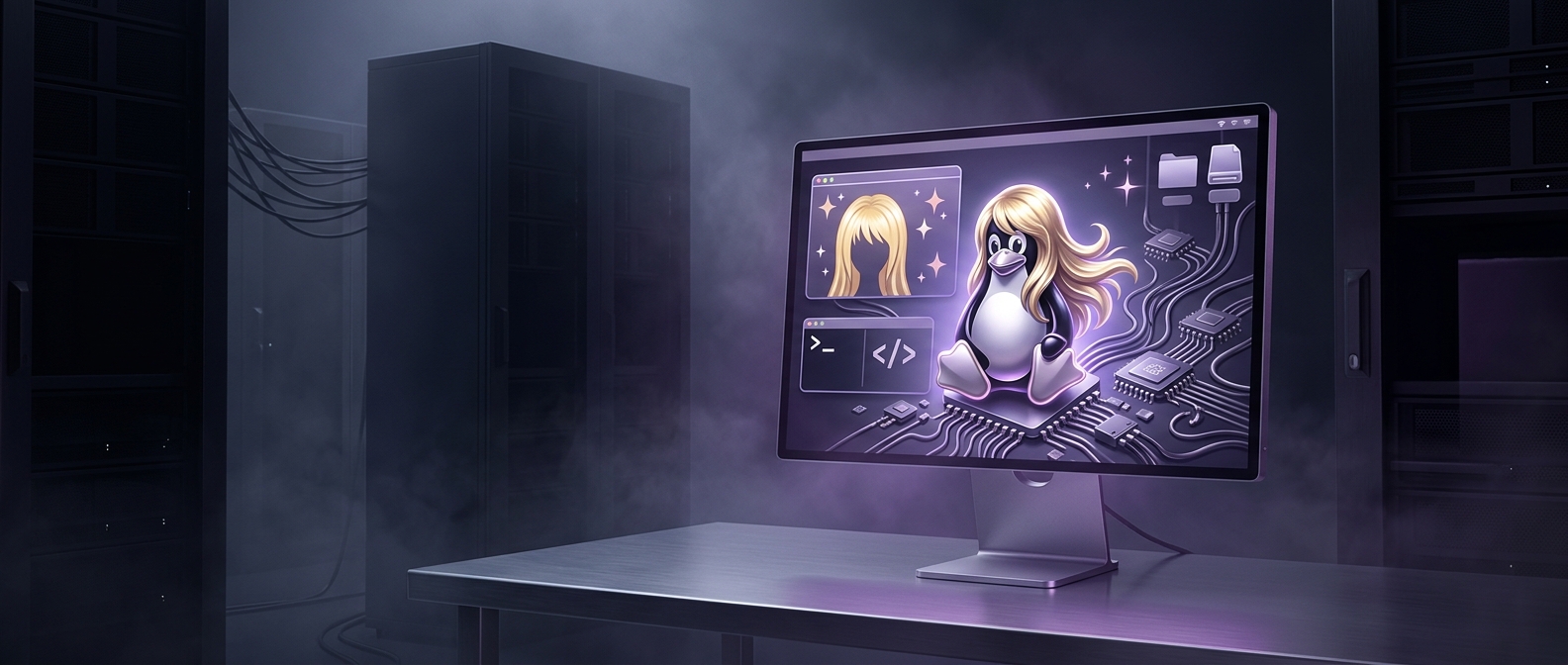
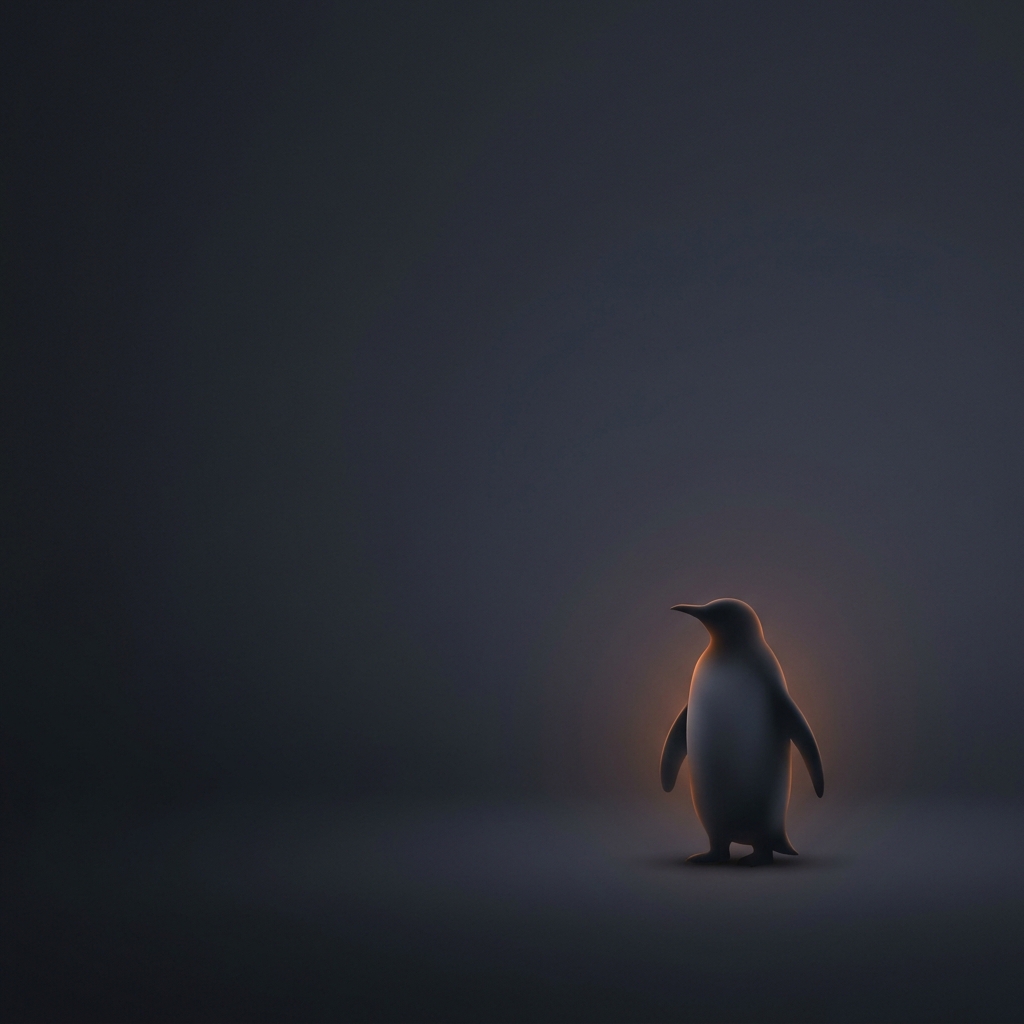
The penguin became Linux’s mascot through a community design effort, not a corporate branding campaign. In 1996, Linus Torvalds said he wanted a friendly, approachable character rather than a sharp-edged emblem. Artist Larry Ewing drew the penguin that became the familiar Tux, using the image-editing program GIMP.
The design’s soft, rounded shape matters: Tux looks content and harmless, a contrast with the technical complexity of the operating system he represents. That made the mascot feel welcoming without trying to depict what Linux does internally.
Why the penguin stuck
Linux is developed by people and organizations around the world, so its mascot needed to work beyond any one company’s identity. A simple character could be reused in community projects, events, and merchandise without requiring viewers to understand the software first.
Tux became a recognizable shorthand for the Linux community, even though Linux itself is software, not a penguin-branded product. The result is an unusual pairing: a compact symbol for a system whose development is distributed across a vast network of contributors.