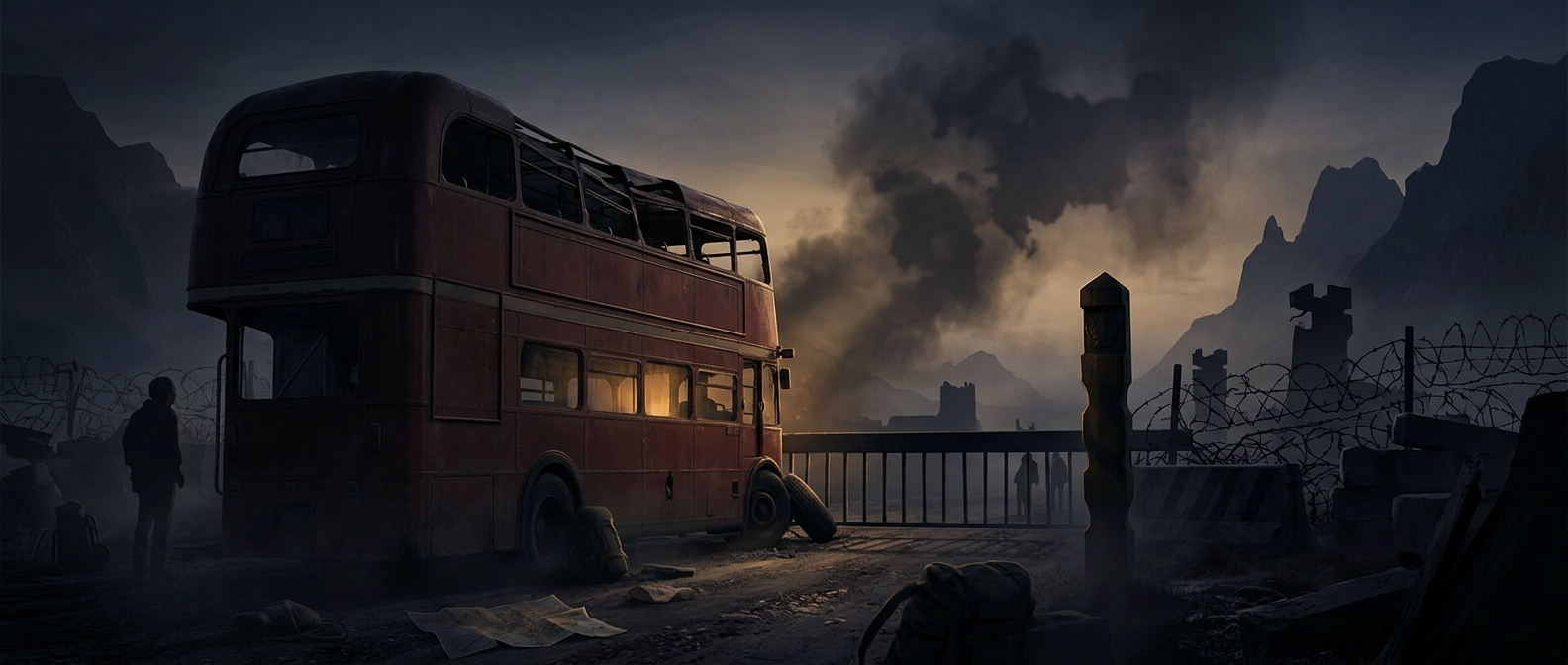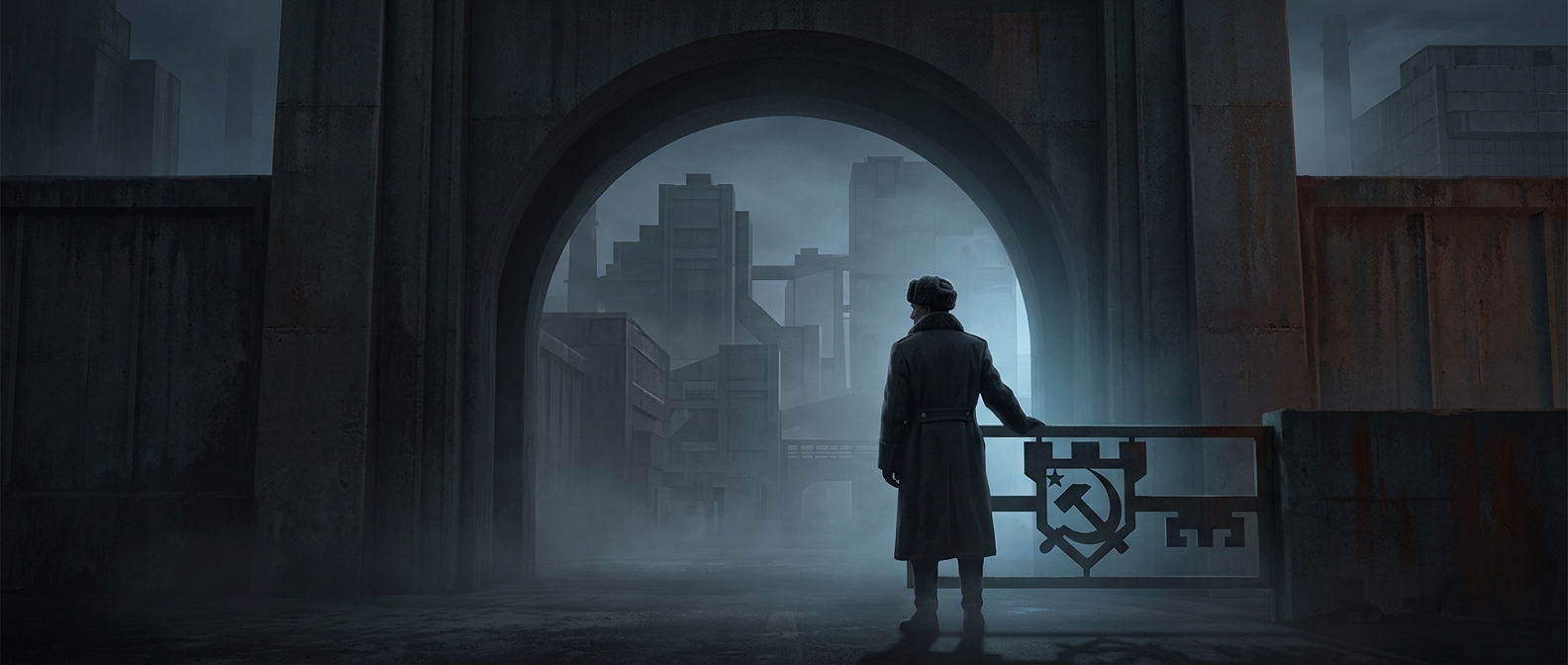
The border can be a checkpoint, not a wall
A Russian closed city is not simply a town with a guarded military site inside it. Its restricted status applies to the settlement itself: access is controlled at its approaches, and entry depends on authorization. That can make an ordinary trip—arriving by road, visiting someone, or passing through—an administrative matter rather than a spontaneous stop.
The distinction matters because the rules shape the place beyond its sensitive installations. Residents may live and work there, while outsiders encounter checkpoints and paperwork before they can enter. A city can look like a normal community on a map yet remain absent from the practical geography of most travelers.
Security shaped the map—and still shapes visits
Many of these settlements took form during the Cold War, when the state wanted military and strategic work kept out of public view. Restricting access helped protect facilities and information, but it also meant building communities whose connections to the rest of the country were managed by the state.
That legacy persists in travel. Permission is tied to the destination and the visitor, so having a Russian passport does not by itself make a visit routine. For relatives, researchers, or other authorized guests, reaching the city can require planning before the journey begins. The unusual feature is not just what the cities contain, but that the city boundary itself still functions as part of the security system.