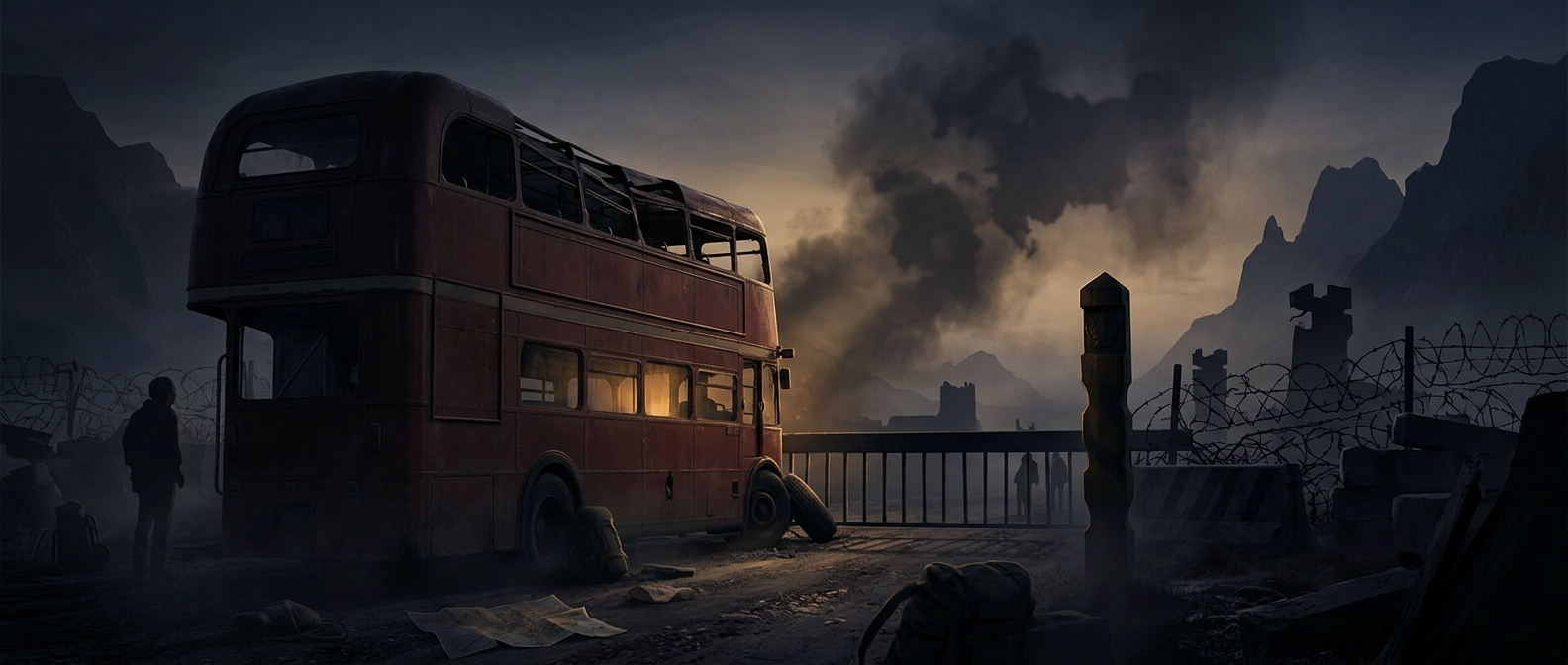
A journey across borders—and political fault lines
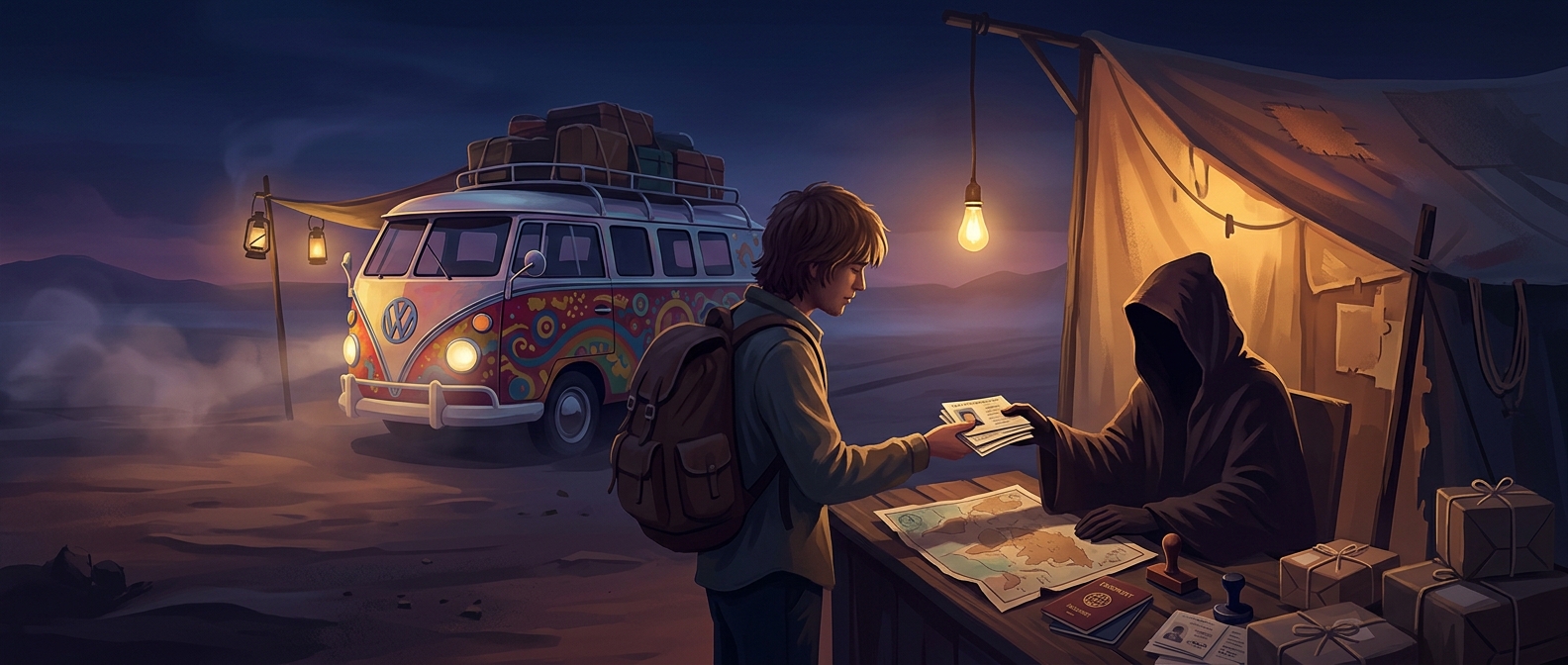
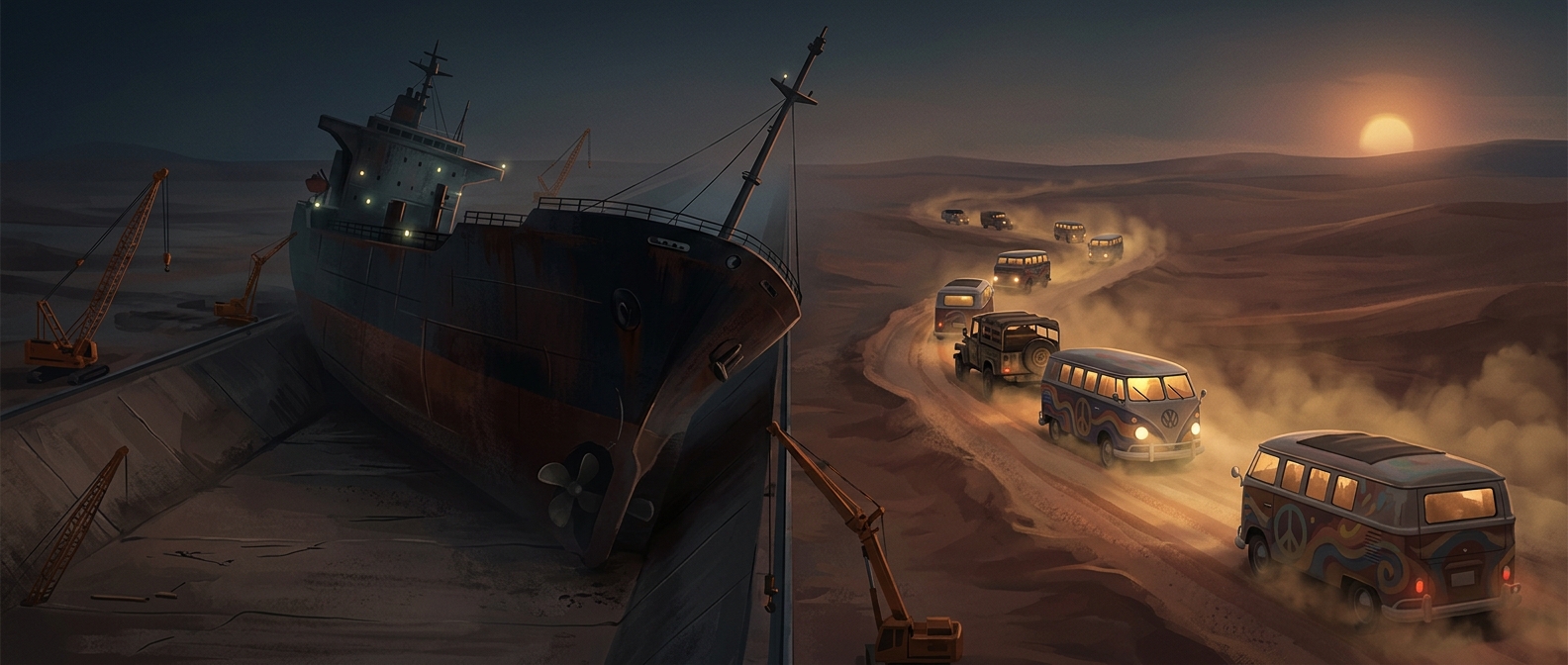
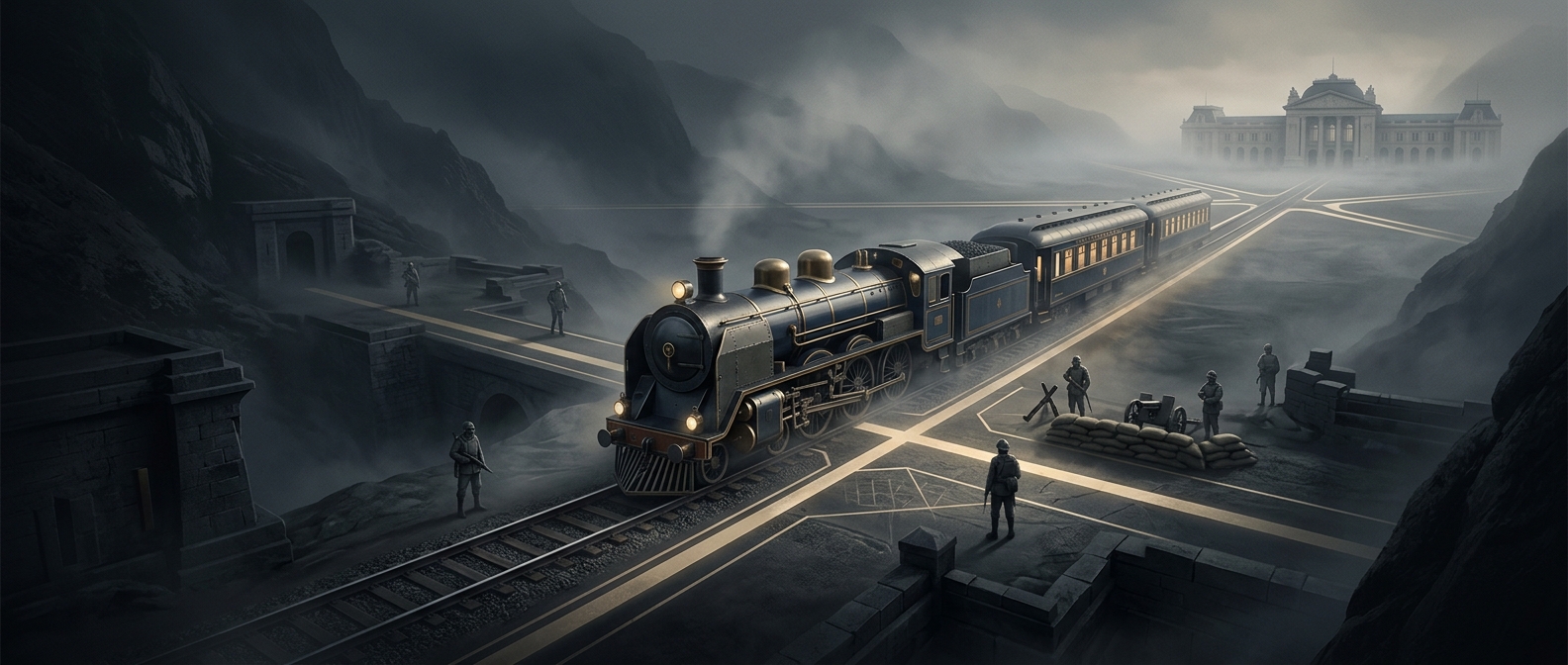
An overland trip from London to Kathmandu depended on more than roads. Travelers had to cross a chain of countries, each with its own borders, permissions and diplomatic relationships. The original route became unusable in 1963 as border tensions and changing alliances disrupted the connections that made the journey possible.
That is the important distinction between a road being physically blocked and a route being closed. A frontier could become inaccessible, or political relations could make passage through a country impractical. Either way, one break in the chain could strand travelers far from their destination or force them to find another way around.
Why the closure mattered
Kathmandu lay at the far end of a journey spanning continents, so its overland link to London was especially vulnerable to changes in international politics. The closure came years before the “Hippie Trail” became famous: the later name can make the journey sound like a single established highway, when in practice it relied on borders remaining open and routes remaining passable.
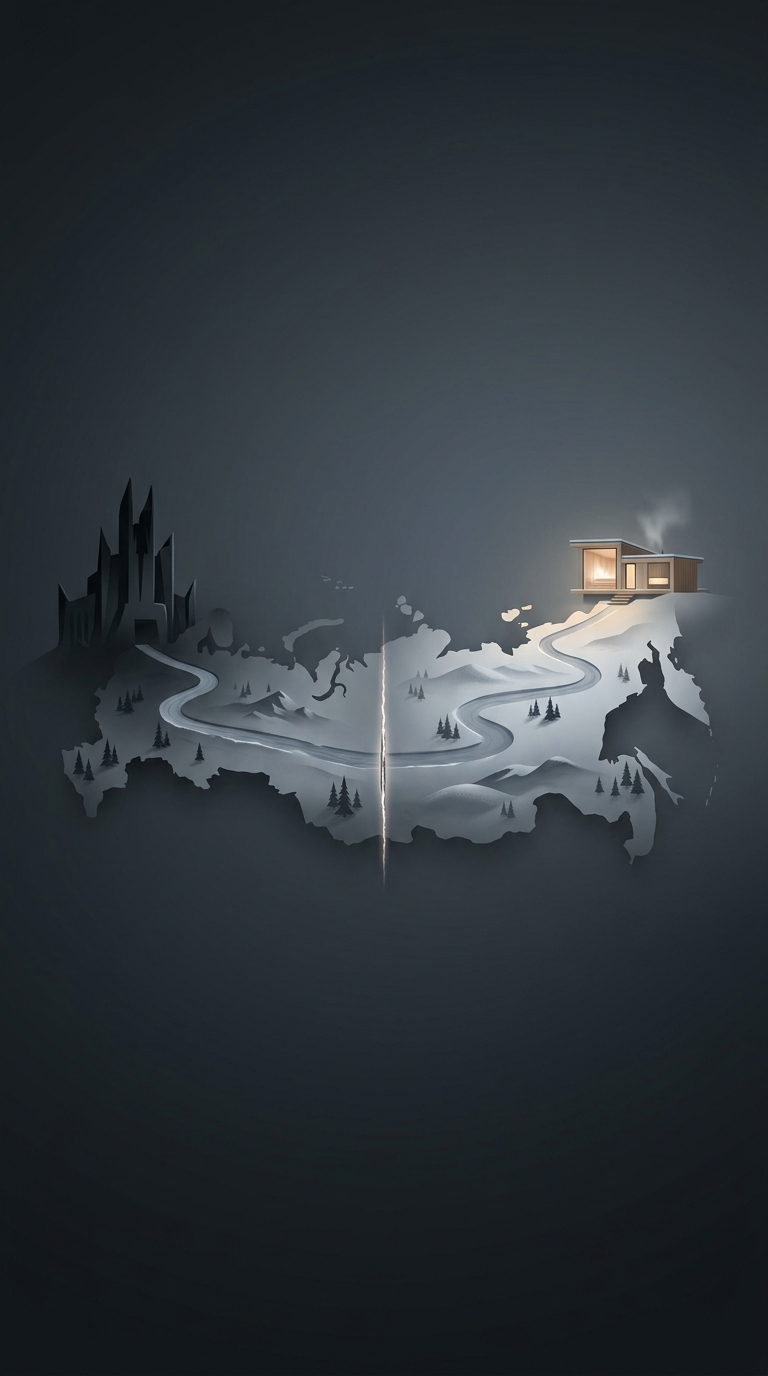
The episode shows how quickly a travel corridor can disappear without the road itself vanishing. In 1963, the map still connected London and Kathmandu—but the political conditions needed to follow that line no longer did.