Why Airlines Sell the Same Flight at Different Prices
An airline has a fixed number of seats and a flight that becomes worthless once it takes off: an empty seat cannot be stored and sold tomorrow. The central pricing problem is therefore not simply how much each seat costs to provide. It is how to earn as much as possible from travelers who value the trip—and the onboard experience—very differently.
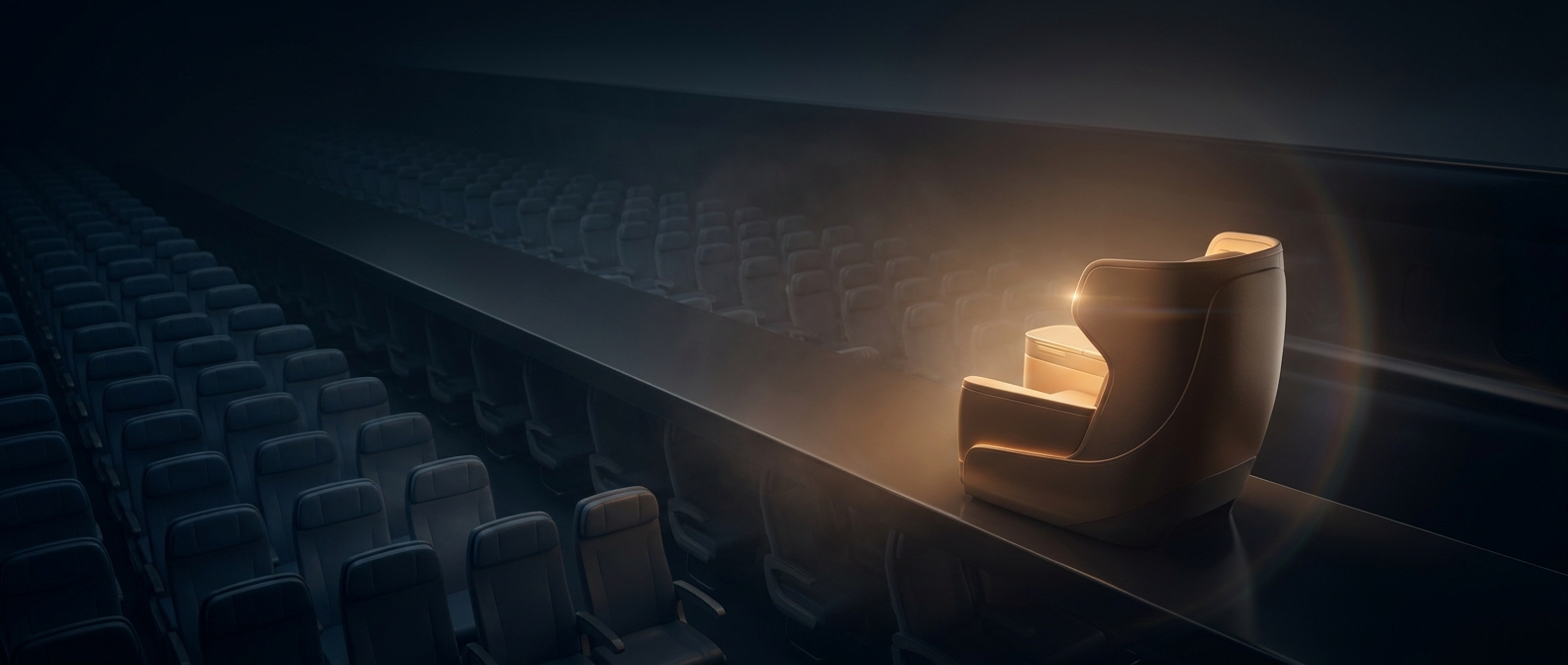
A first-class cabin gives airlines a way to charge more to passengers who place a high value on space, privacy, or extra service. That higher fare can capture some of what economists call willingness to pay: the most a customer would spend for a particular option. The airline does incur extra costs, including the cabin’s larger seats and added service, but the price premium can exceed those costs.
The Cabin Also Protects the Price Difference
Selling distinct cabins helps make different prices feel like different products. A traveler paying more gets a visibly different experience, rather than merely paying a higher price for an otherwise identical seat. Meanwhile, the same aircraft still carries economy passengers whose priority may be reaching the destination at a lower fare.
That separation matters because a single cabin with one price would force the airline to choose between two losses: charge a high fare and miss price-sensitive customers, or charge a low fare and leave money uncollected from travelers willing to pay more. First class offers a higher-priced option without requiring every passenger to buy it.
Why the Premium Can Be So Large
Cabin space is limited. A larger seat uses room that might otherwise hold several smaller ones, so the airline must weigh the premium against the revenue those displaced seats could bring. The strategy works when the higher-paying customers make that trade worthwhile. In effect, the aircraft turns limited space into two linked markets: comfort for those willing to pay extra, and a lower-priced route to the same destination for everyone else.