The bus spreads costs across more trips
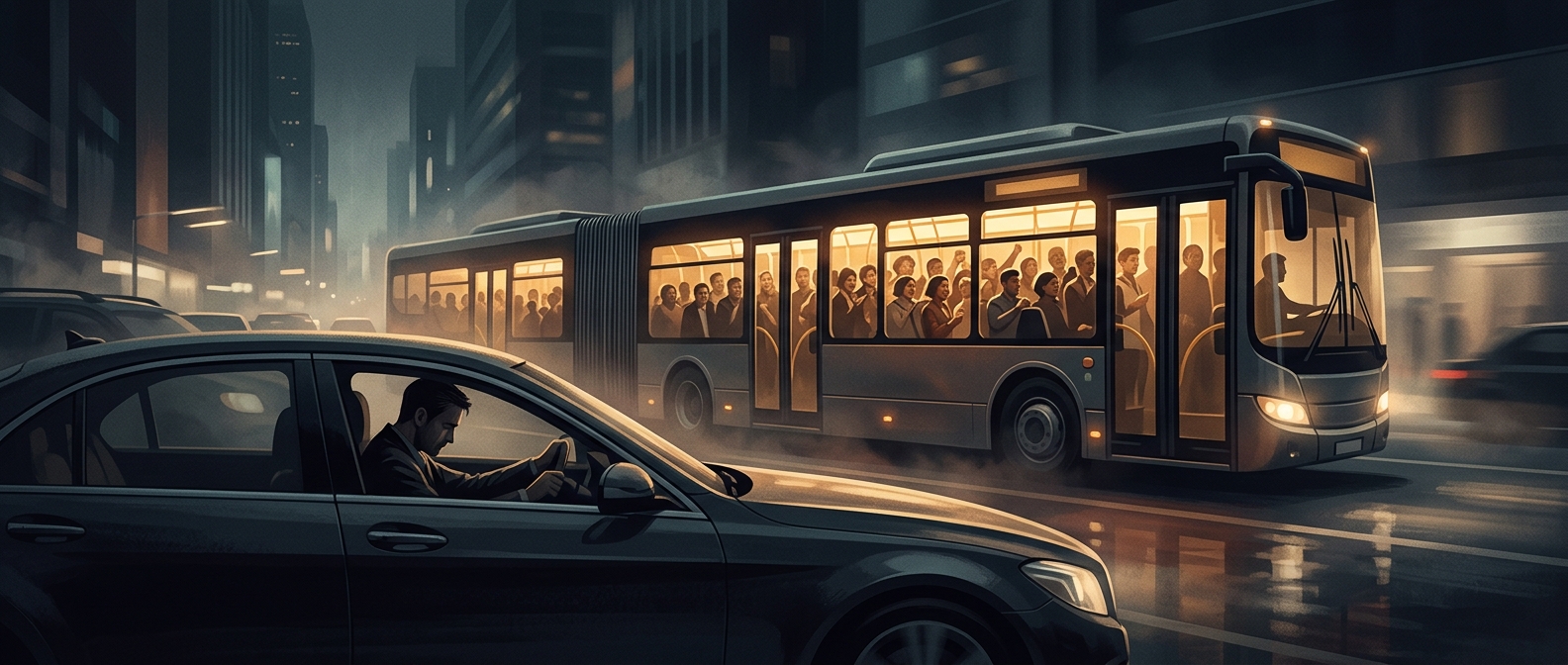
A vehicle has costs that do not rise in proportion to the number of people inside it. The bus still needs a driver, insurance, maintenance, and a route whether it carries a handful of riders or a full load. When more seats are occupied, those costs are divided among more passengers. This is an economy of scale: the average cost per rider falls as the same service carries more people.
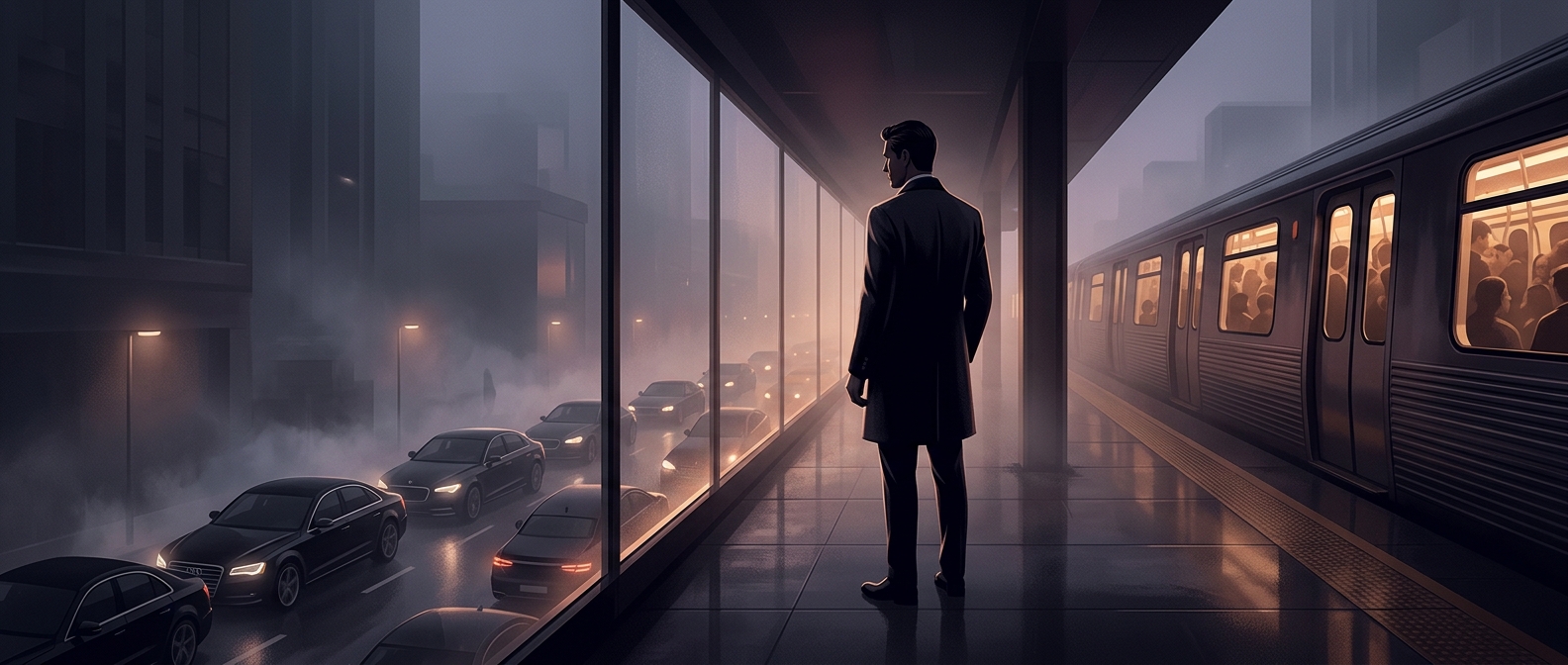
Cars repeat many of those expenses. Each traveler needs a separate vehicle, and each car consumes road space and fuel even when it carries only its driver. A bus uses fuel too, but one engine and one driver can move many passengers at once.
The advantage depends on filling the seats
Capacity is not the same as occupancy. An almost-empty bus still has to run, so its cost per passenger can be high; a busy bus spreads the service’s costs much more widely. The comparison also depends on the trip: a car carrying several people shares its costs, while a bus route that takes a long detour or runs with few riders may use resources inefficiently.
There is another distinction: lower cost to provide a trip does not guarantee a lower fare. Fares, taxes, and subsidies determine what riders pay, while the underlying resource cost includes vehicles, labor, fuel, and upkeep. The central advantage is physical: when many people travel together, fewer vehicles and drivers are needed to move them. A full bus turns one costly trip into a shared one.