Why the first unit carries a heavier burden
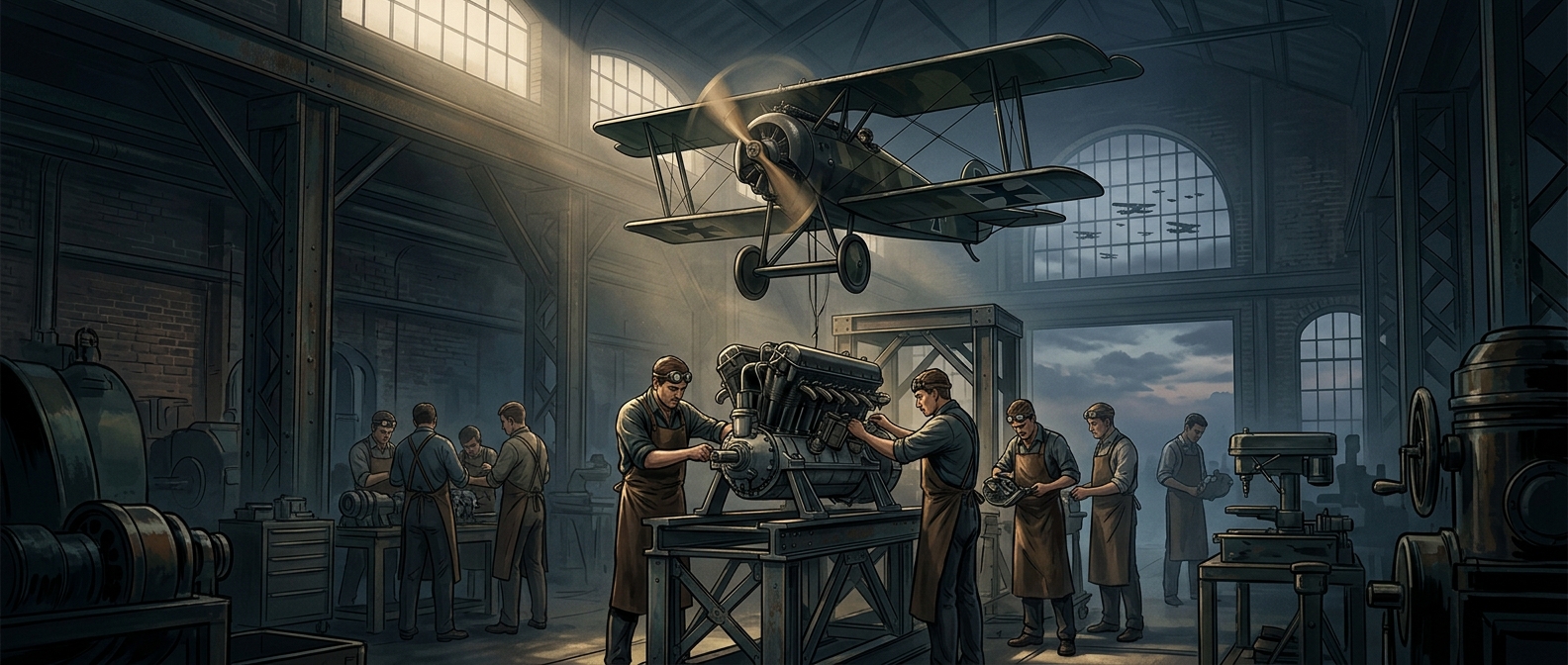
Before a factory can turn out a product, someone may need to design its tooling, configure machines, test the process, and train workers. Those expenses are largely fixed costs: they do not rise in direct proportion to the number of items made. If only a small batch is produced, each item must absorb a large share of that initial bill.
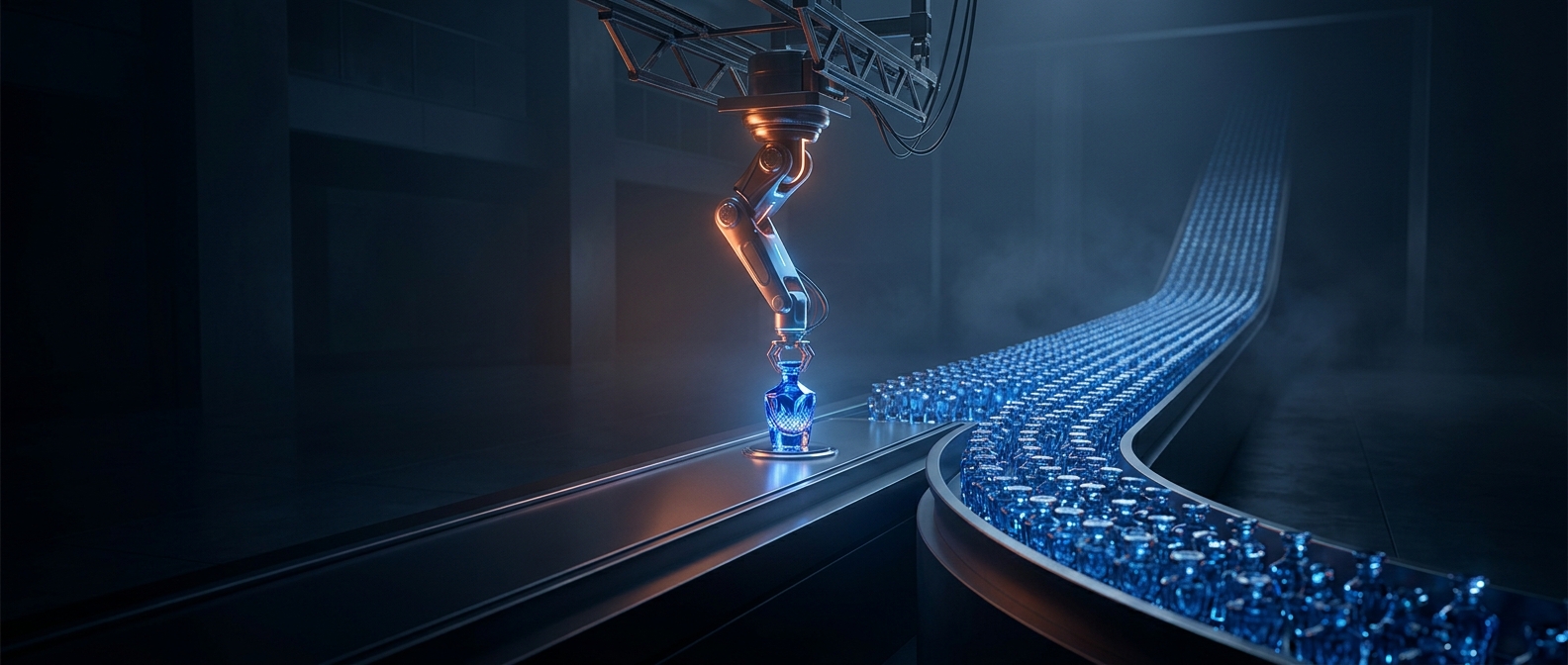
As output grows, the same setup is spread across more units. A factory that has already paid to prepare a production line can make additional items without repeating every early expense. That is one reason standardized goods—from fasteners to household appliances—can become far less costly to produce at scale.
Scale helps, but it has limits
An extra unit still uses materials, energy, labor, and machine time. These are variable costs, which generally rise as production rises. The cost of making one more item is its marginal cost; it can remain substantial even after setup costs have been spread thinly.
Production can also hit bottlenecks. A busy machine may need another shift, a larger facility, or replacement equipment. At that point, expanding capacity brings new costs rather than simply squeezing more output from the existing line. The savings from scale therefore depend on how smoothly production can grow.
Cheaper to make does not always mean cheaper to buy
Lower production cost gives a company room to reduce its price, but it does not guarantee that it will. A seller may keep some of the savings as profit, spend them on distribution or product improvements, or face costs elsewhere in the business. And if customers do not want enough units, producing at a larger scale may not be worthwhile.
The practical consequence is that a product can be uneconomical as a one-off but viable as a standardized item made in volume. The same design and setup that make the first batch expensive can make every later unit easier to afford—provided there are enough buyers and the production line has room to run.