A brand name that outlasted the original idea
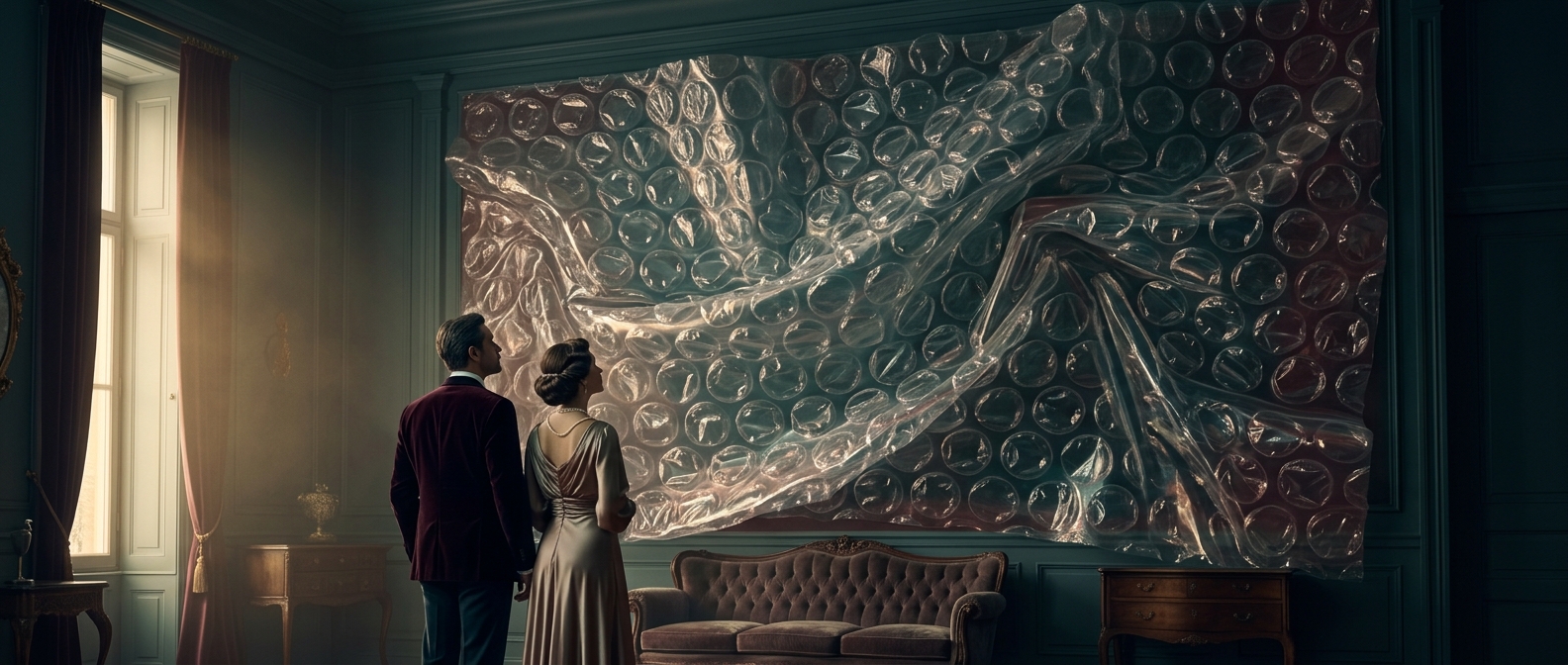
The story of Bubble Wrap is also a lesson in how a failed product can become a valuable brand. Once the bumpy sheets found a job protecting shipments, the name attached to them began to stand for a particular source of packaging—not just for the material itself. Sealed Air uses Bubble Wrap as a trademark, identifying its product in the marketplace.
What the trademark does—and doesn’t—cover
A trademark protects a name or other brand identifier. It helps customers distinguish one company’s product from similar goods made by others. It does not, by itself, give Sealed Air exclusive ownership of the idea of cushioning an object with sealed air pockets. Other companies can sell comparable air-cell packaging under different names.
That distinction matters commercially. The cushioning performs the physical job: trapped air compresses when a package is bumped, helping absorb some of the impact before it reaches the item inside. The trademark performs a different job: it gives buyers and sellers a familiar label when they choose, specify, or reorder that kind of packaging.
From material to shorthand
People often use “Bubble Wrap” as a casual name for any plastic sheet covered in air bubbles. But a brand can become widely recognized without becoming the formal generic name for the whole product category. In careful usage, the brand refers to Sealed Air’s product; terms such as “air-cushioning packaging” describe the broader kind of material.
The shift from an unsuccessful decorative idea to a practical shipping product gave the sheets a new purpose. The lasting brand name shows how that second life created value beyond the plastic itself: it made a useful packaging material easy to recognize and ask for.