A repair promise changes the cost of owning a lighter
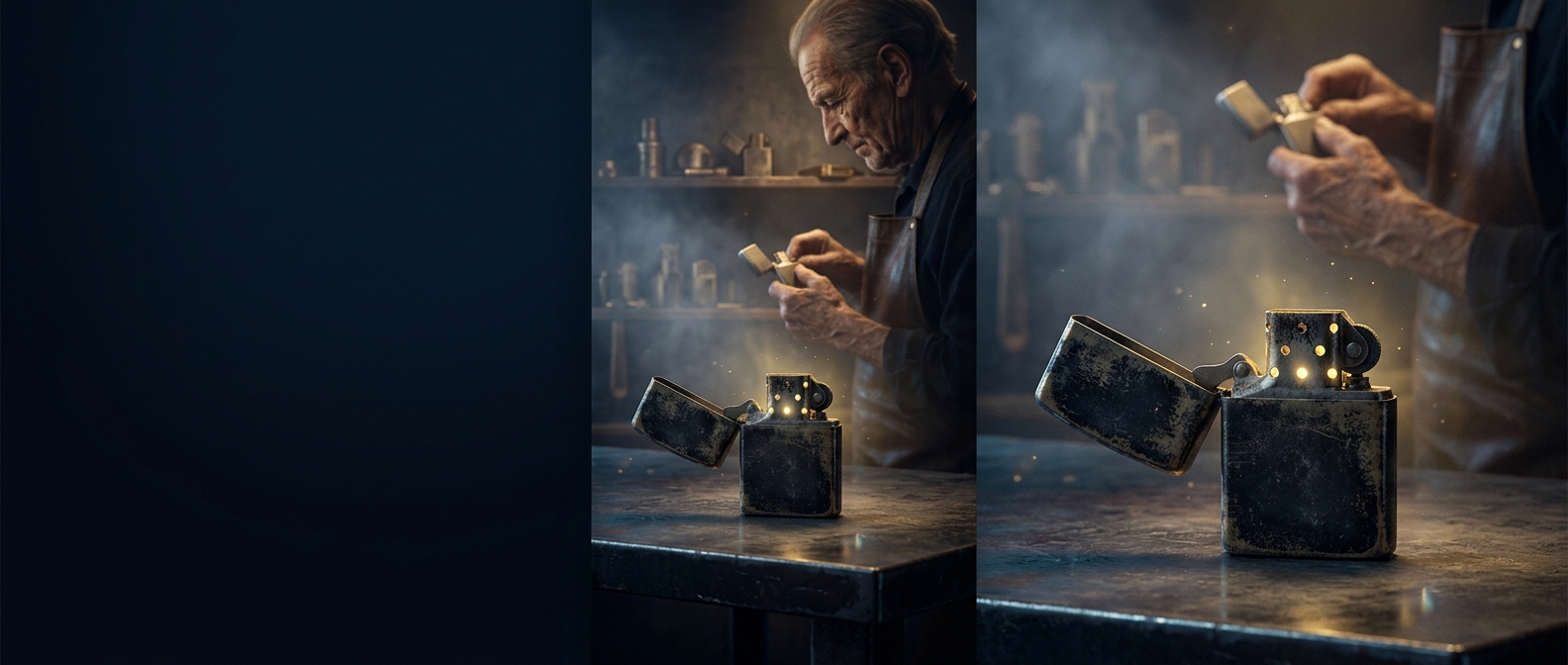
Zippo’s lifetime repair offer turns a purchase into something closer to a long-term service relationship. A damaged lighter can be sent back to the maker instead of being treated as disposable, so the buyer’s cost is not automatically tied to replacing the whole object every time something goes wrong.
That distinction matters for a product built from parts that can wear or become damaged through repeated use. A repair can restore the lighter’s function while keeping its case in circulation. For the owner, the value is practical; for the company, each returned lighter is also a chance to demonstrate that the product can outlast the transaction that first sold it.
Durability becomes part of the business model
A free repair is not costless to the company: it takes labor, parts, and a system for handling returns. The promise makes economic sense only if those costs can be balanced against what customers value in a product they expect to keep. It can also distinguish a lighter from cheaper, disposable alternatives by making long-term ownership part of the offer.
Zippo has made that commitment since 1932. Its significance is not just that a broken object might be fixed. It is that the company accepts an ongoing role in the product’s life—one that can keep the same lighter working, and recognizable, long after its original sale.