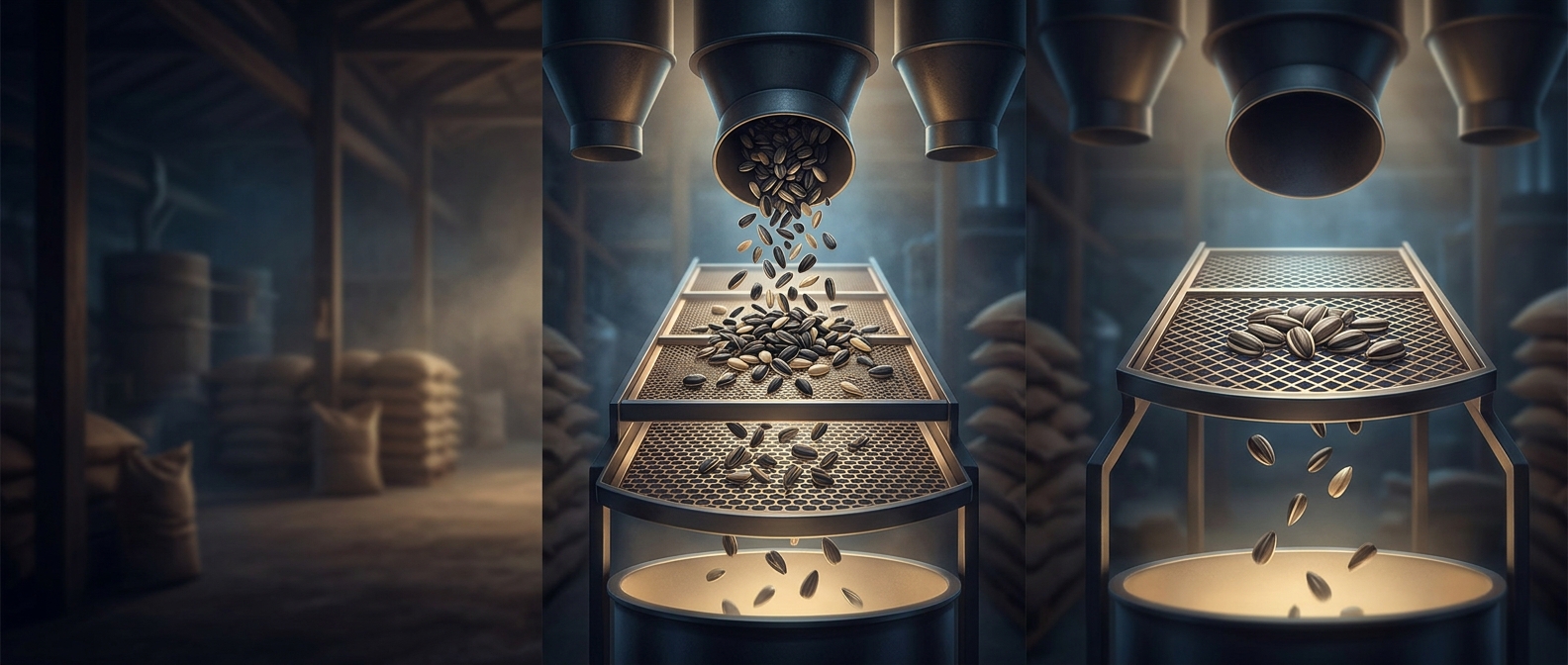
Why less wheat can become a pricier product
A mill does not simply grind a wheat kernel into flour. It separates the kernel’s outer bran and inner germ from the starchy endosperm, then sifts and blends the endosperm into flour with the texture and baking qualities buyers want. The discarded-by-weight portions are still useful, but they serve different markets.
That separation creates a yield tradeoff: a mill sells less refined flour by weight than the amount of wheat it processed. The bran and germ can be sold separately, often for uses such as animal feed or food ingredients. Their value helps offset the grain’s cost, but it does not automatically make them worth as much per pound as flour.
Price follows demand and processing, not just weight
Refined flour may command a higher price because bakeries, food manufacturers, and households want a consistent, versatile ingredient. Producing it also requires equipment, energy, labor, quality control, and storage. The mill’s costs have to be covered across its products, and the market price for each product reflects its own demand and competition—not merely how much of the kernel it contains.
The comparison also depends on where prices are measured. A bag of flour at a shop includes packaging and retail costs, while bran or germ may be sold in bulk or through different commercial channels. So a higher price for flour does not mean the removed parts are worthless; it means the more widely demanded, carefully specified product can earn more per pound.
A wheat kernel is therefore not a single product with one obvious price. Milling turns it into several products with different buyers, and the smallest share by weight can be the most valuable one.