A shorter canopy makes each harvest easier
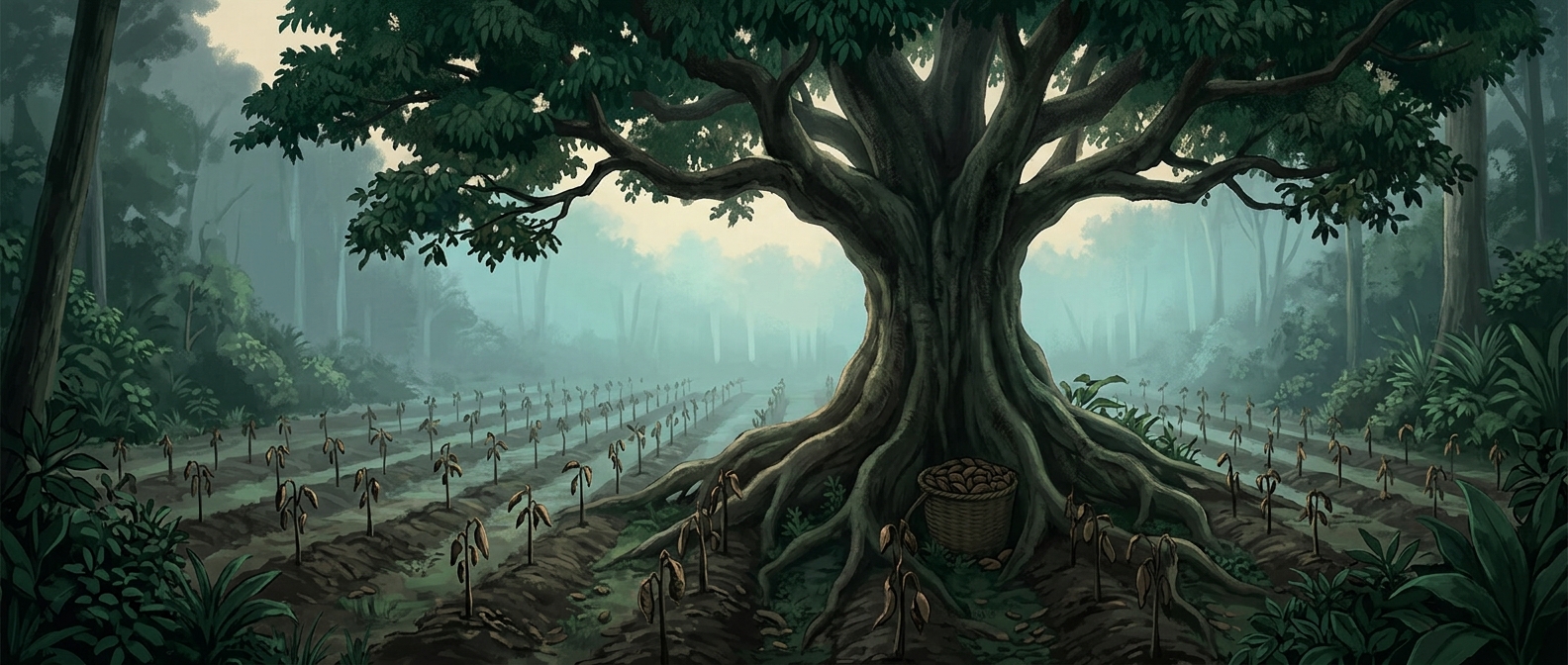
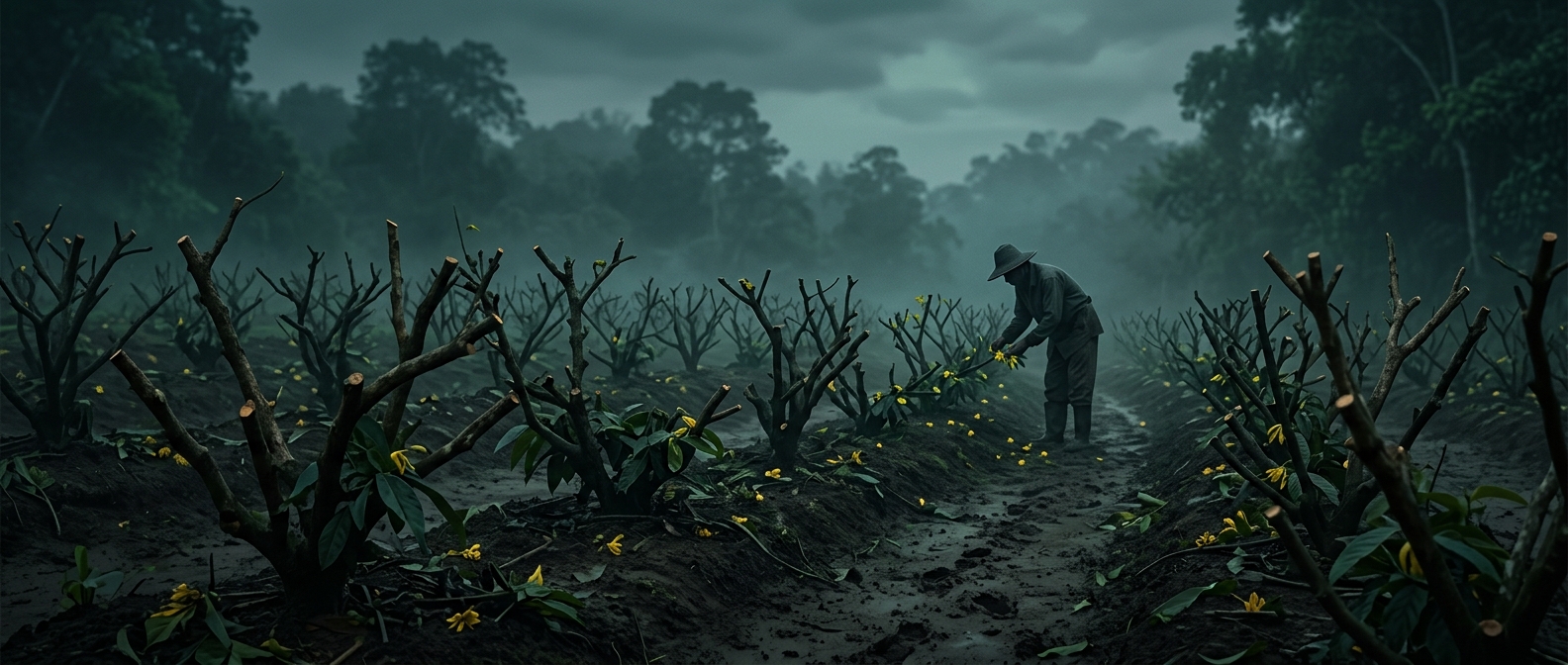
Ylang-ylang flowers are picked by hand for their fragrant oil. When the tree grows tall, reaching blossoms means carrying and repositioning a ladder—extra work repeated across the branches. Pruning keeps the canopy low enough for pickers to reach more of it from the ground.
That changes the economics of the harvest. A flower that is physically present but difficult to reach still costs time to collect. Keeping branches accessible can reduce the effort per picking and make it easier to gather blossoms before moving on to another tree. The benefit is practical rather than cosmetic: the tree is shaped around the work its flowers require.
A tradeoff between growth and access
Pruning takes effort, and it means managing the tree’s shape instead of letting it grow tall and tree-like. Farmers accept that ongoing task because harvest labor is also a recurring cost. A low bush form makes the crop easier to handle season after season, without requiring each picker to climb or move a ladder.
The result is a useful reminder that a crop’s form can reflect the demands of gathering it. In ylang-ylang cultivation, keeping the blossoms within reach turns pruning into part of the harvesting system—not merely a way to tidy the plant.