What happens inside a mealworm’s gut
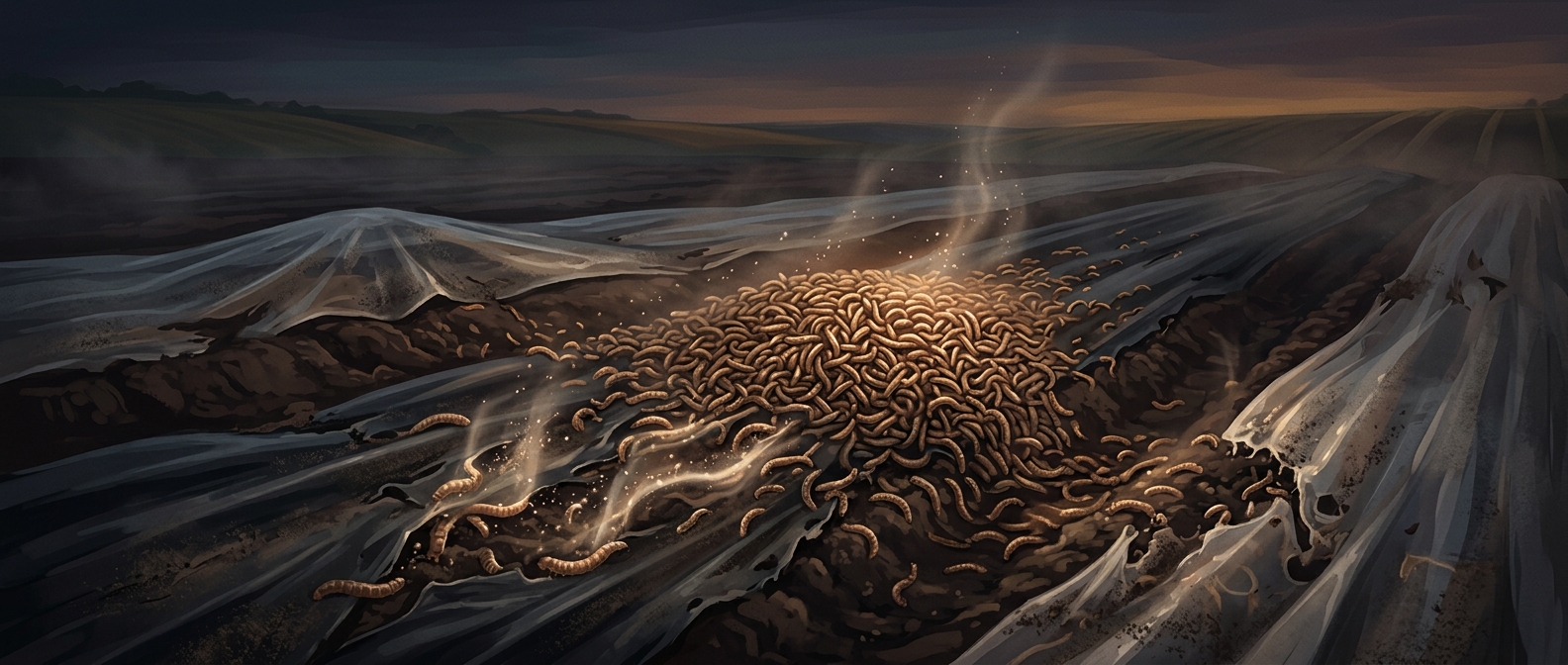
Polystyrene—the plastic commonly used in foam packaging—is made of long chains of carbon and hydrogen. Those chains are difficult for ordinary organisms to use as food. In mealworms, however, microbes living in the digestive tract can help alter the plastic as it passes through the gut. The larvae can survive while eating it, and studies have found signs that some of the material is chemically broken down rather than merely swallowed.
That distinction matters: a smaller piece of foam is not necessarily gone. Some plastic may pass through as fragments, so researchers have to track what happens to the material after digestion, not just whether the worms remain alive.
A biological process, not a ready-made waste service
The appealing economic idea is to turn a stubborn waste into something a living system can process. But a useful recycling method would have to handle foam reliably, control what comes out of the process, and work at a scale and cost that make sense. Mealworms also need suitable conditions and food, and the safety of larvae or residue would matter if either were to enter other uses.
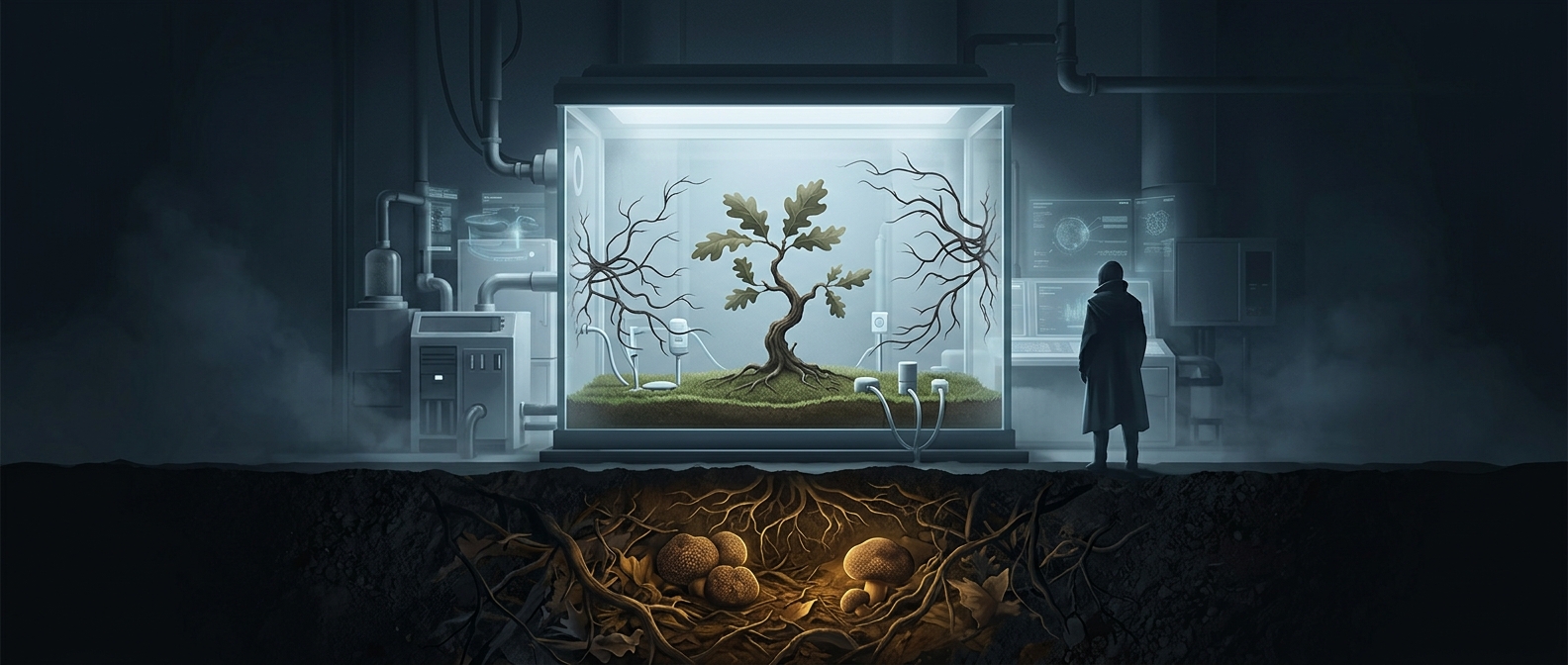
Those constraints make the research more than a question of whether a worm can eat plastic. Scientists are investigating the gut microbes and the chemical steps they enable, which could eventually point to ways of speeding up or reproducing the breakdown without relying on large numbers of larvae.
For now, the striking result is a biological clue, not a solution to foam waste: survival shows the plastic is not immediately lethal to the mealworms, but it does not prove that the waste has been safely eliminated.