When the factory changed its center of gravity
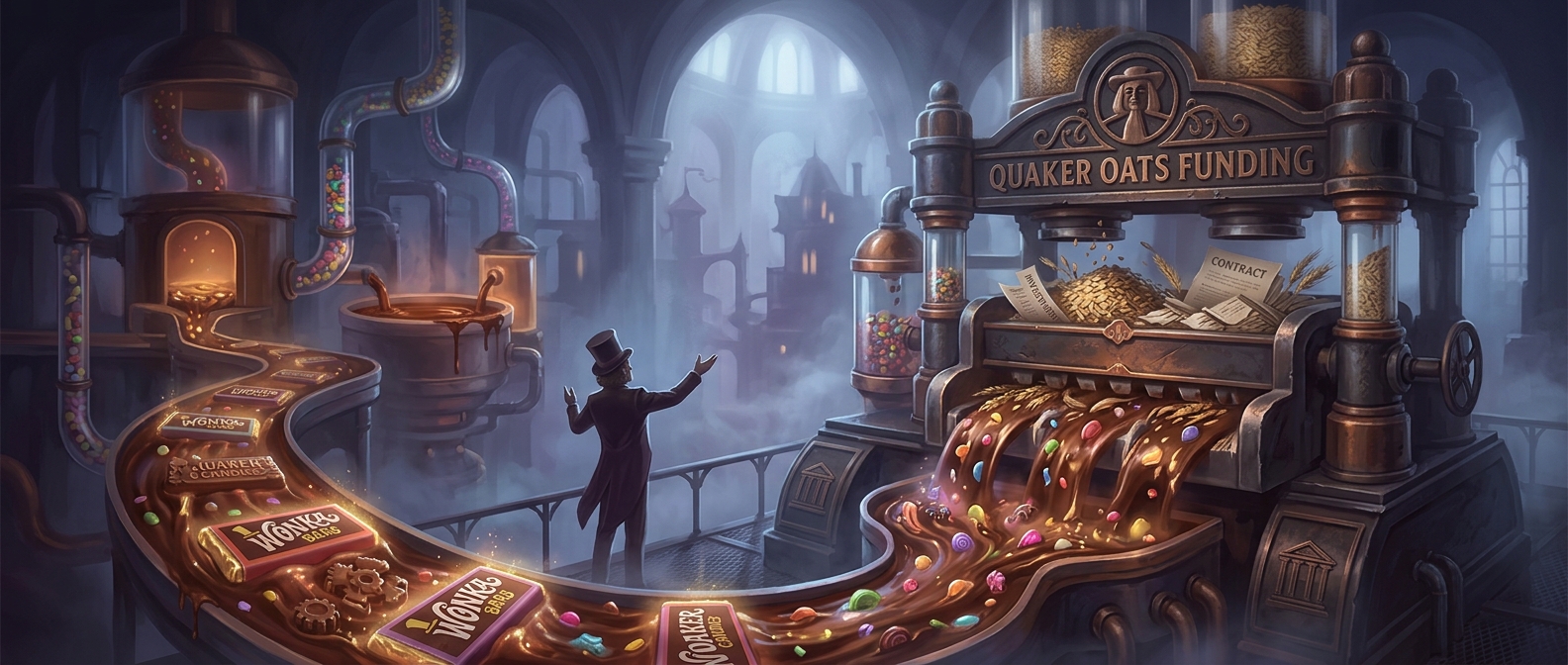
Roald Dahl’s objection to the 1971 film adaptation of Charlie and the Chocolate Factory was not simply that it looked different from the book. The film changed what the story seemed to be about. Even its new title, Willy Wonka & the Chocolate Factory, put the mysterious chocolatier ahead of Charlie, the poor boy whose discovery of the factory drives Dahl’s tale.
That shift mattered because Charlie’s role is more than a ticket into a wondrous place. He is the quiet contrast to the other children, whose selfishness and bad habits bring their own downfalls. Making Wonka the main attraction risks turning a story about Charlie’s choices into a spectacle about an eccentric host.
A subplot can change the lesson
The film also builds up the search for an alleged factory spy, Slugworth, as a mystery running alongside Charlie’s visit. That gives the movie a suspenseful thread, but it redirects attention toward Wonka’s test of the children and away from the book’s simpler sequence of visits and consequences. Songs and other changes further gave the screen version its own rhythm and tone.
Dahl had a direct stake in those choices: he wrote the screenplay, but the finished film did not preserve his version unchanged. His public rejection of the adaptation shows how a writer can object not to a story’s translation into images, but to the priorities that translation puts first. A film may keep the chocolate river and the factory’s strange rooms while making a different character—and a different lesson—the heart of the story.