Why Unreleased Screenings Come With NDAs
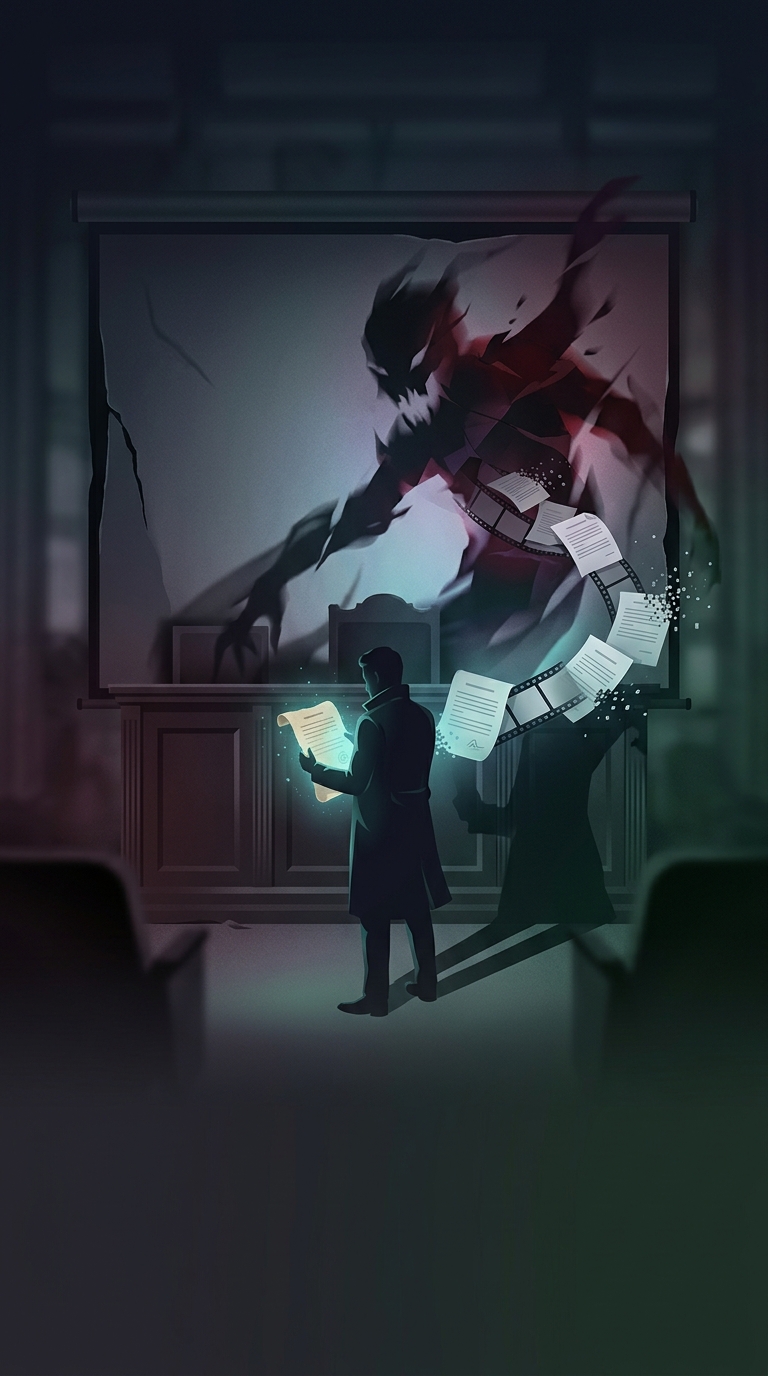
A studio showing a film or episode before release is letting viewers see material that is not yet public—and that can include more than the story. A rough cut may reveal an unfinished visual effect, a surprise casting choice, or a scene the marketing team has not announced. An NDA, or nondisclosure agreement, gives the organizer a way to set rules for sharing those details before the screening begins.
The agreement works through its wording: it may define what counts as confidential, forbid particular disclosures, and specify how long the promise lasts. That scope matters. A ban on posting plot details is not automatically a ban on discussing every aspect of the event; the written terms determine what the attendee agreed to keep private.
A Contract, Not a Universal Gag Order
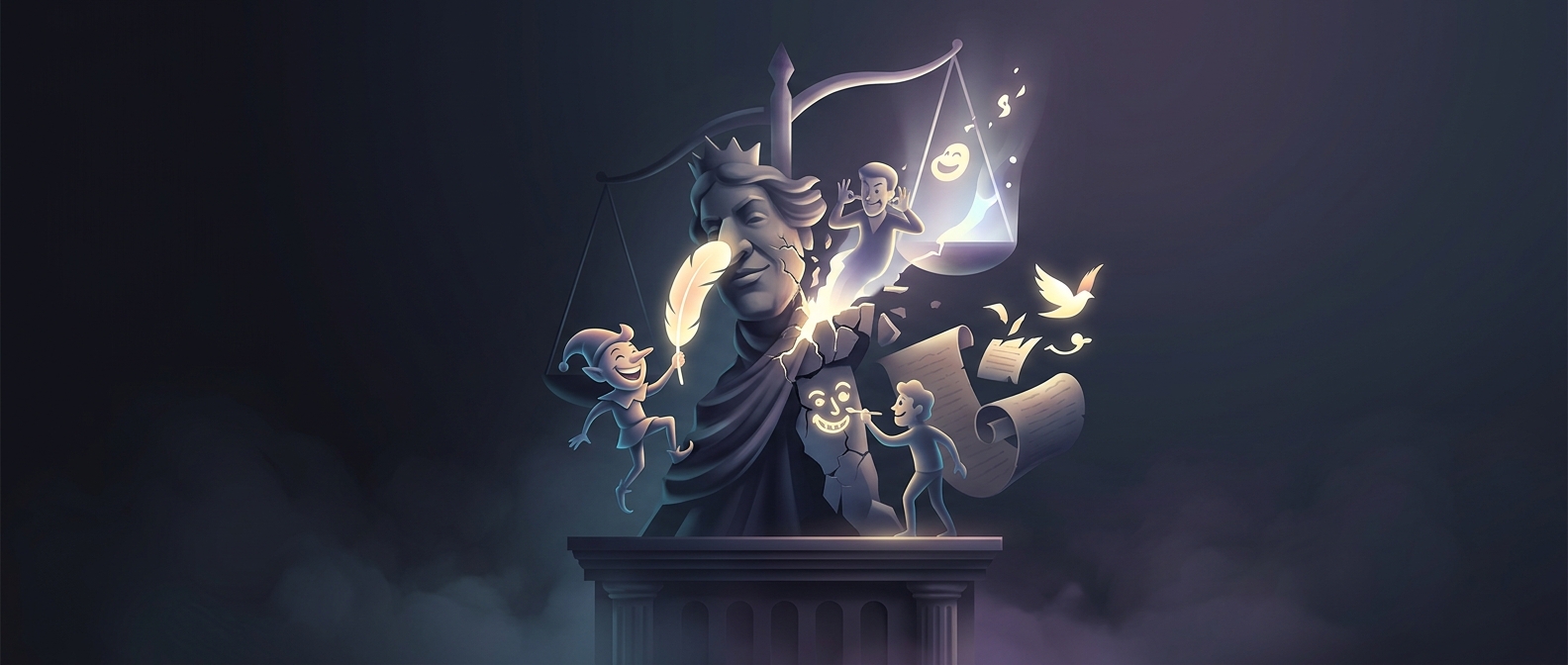
Signing can create a legal obligation, but an NDA does not automatically make every comment unlawful. The agreement’s language, the circumstances, and applicable law all matter. If someone breaks a valid promise, the company may seek a remedy under the contract; the precise consequences depend on the agreement and the situation.
For attendees, the practical point is to read the terms rather than rely on assumptions about what “no spoilers” means. A seemingly small post—such as confirming a character appears or describing an ending—can disclose information the organizer intended to protect. Until the release, the safest boundary is the one the signed agreement actually sets.